


Chapter 1 of 3 · Surgical Management
Duplication mesentery
Intestinal duplication mesentery takedown technique
Expert statements on this page
No expert statements were drawn from this page.
Host summaries · secondary, not cited in answers
Educational content from recorded physician discussions — not medical advice. Talk to your (or your child's) care team about your situation.
Video
pyloric knife
Dr. Steve Rothenberg · Published May 2026
Video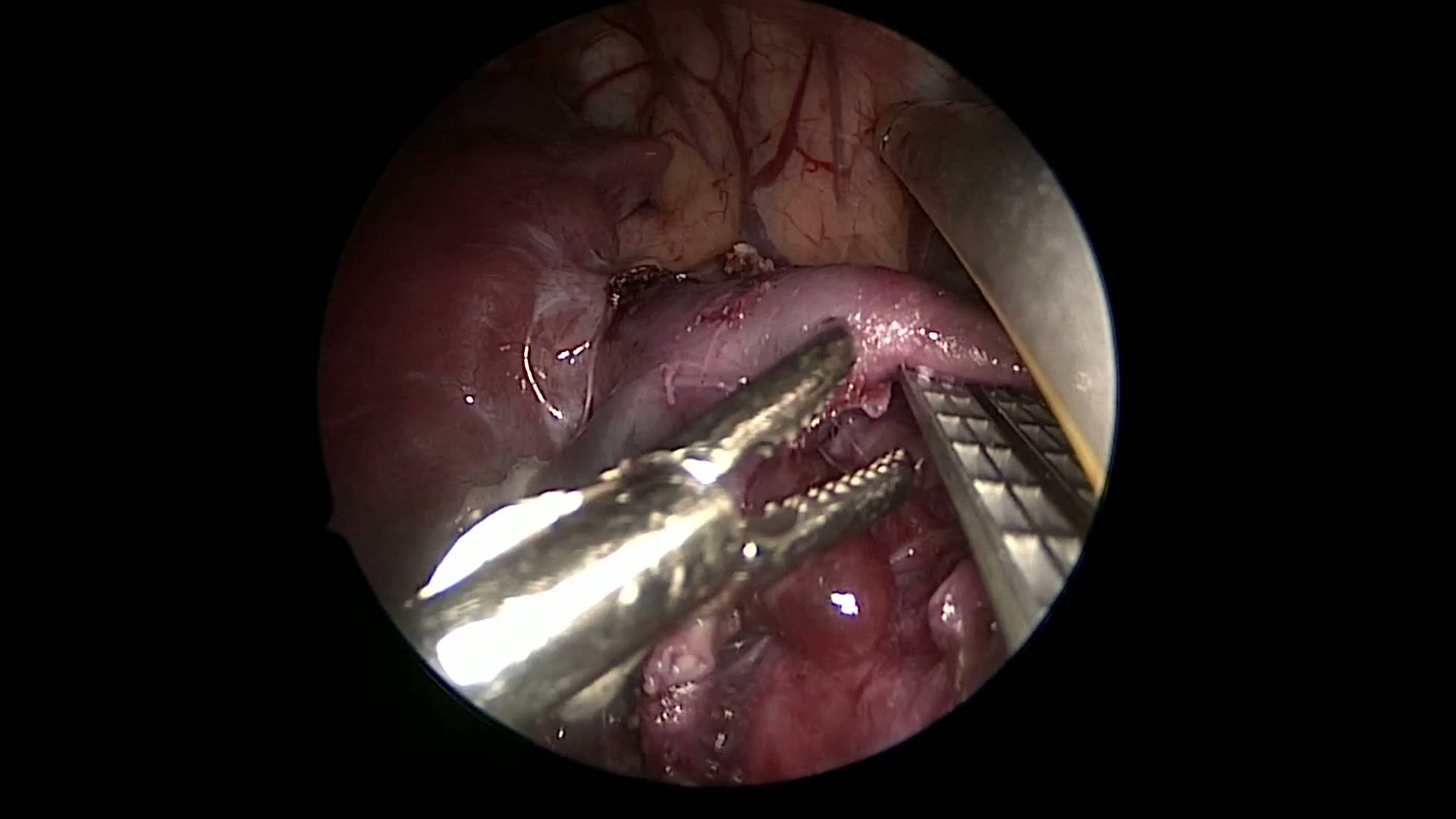
pulm artery LLL
Dr. Steve Rothenberg · 9 s · Published May 2026
Video
plication narrated
Dr. Steve Rothenberg · 6 min · Published May 2026
Video
percuvance redo nissen
Dr. Steve Rothenberg · 5 min · Published May 2026
Video
open bowel anast
Dr. Steve Rothenberg · Published May 2026
Video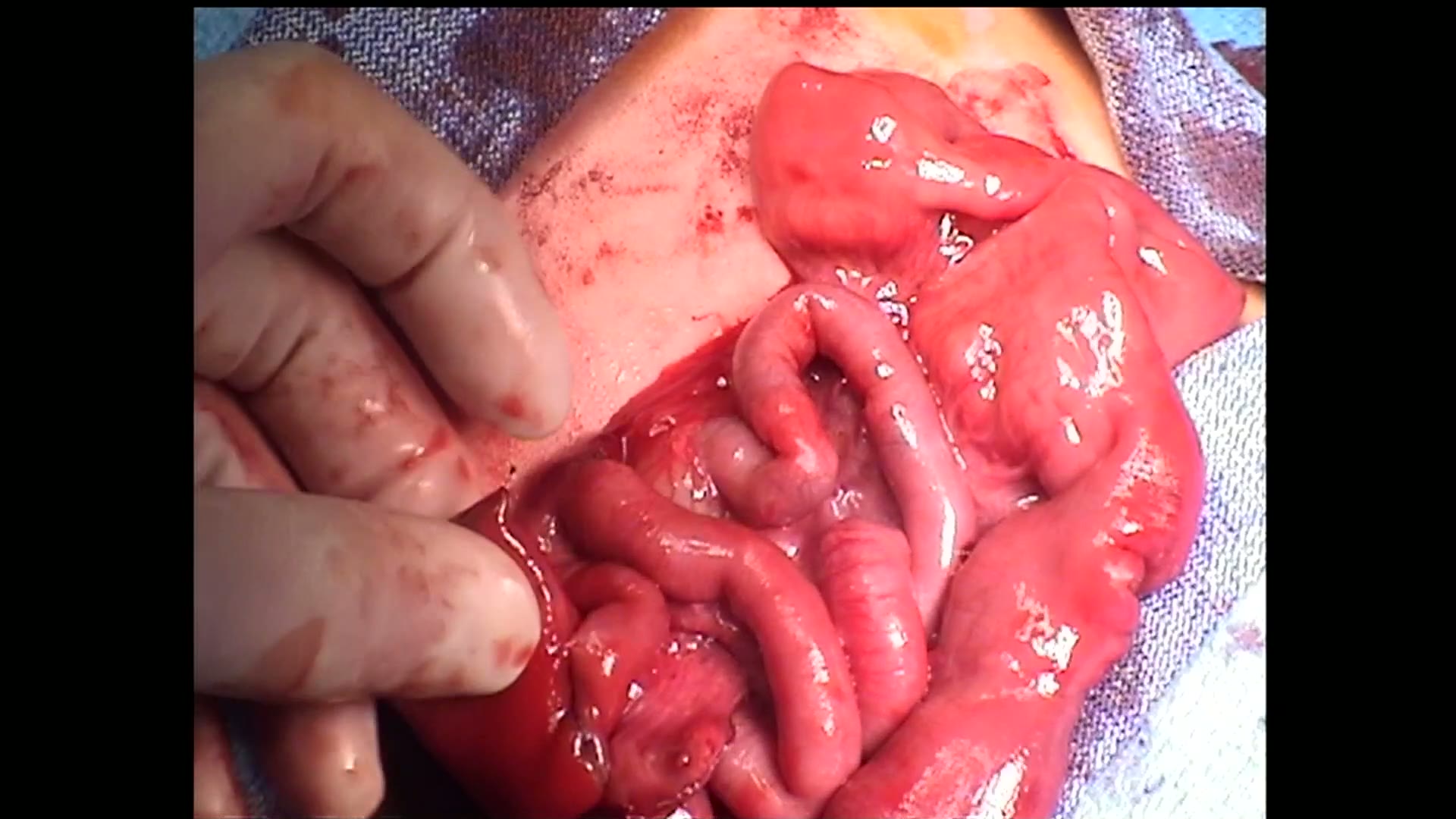
open bowel anast stapled
Dr. Steve Rothenberg · Published May 2026
Video
Intestinal Atresia Types Explained: Grossfeld Classification for Pediatric Surgery
1 min · Published Sep 2026
Video
Derivation and validation of the Pediatric Community-Acquired Pneumonia Severity (PedCAPS) score: A prospective cohort study
50 s · Published Sep 2026
Video
FETO for Late-Diagnosed Severe Congenital Diaphragmatic Hernia (CDH) at Cincinnati Children's with Dr. Beth Rymeski
4 min · Published Sep 2026
Video
Severe Congenital Diaphragmatic Hernia (CDH) Case: FETO Management & Unexpected Findings with Dr. Beth Rymeski
3 min · Published Sep 2026
Video
Fetoscopic Endoluminal Tracheal Occlusion (FETO) Procedure: Step-by-Step Guide with Dr. Beth Rymeski
4 min · Published Sep 2026
Video
Choledochal Cyst Types Explained: Pediatric Surgery Fundamentals
1 min · Published Sep 2026
What the experts said
The sealer is used to take down mesentery of intestinal duplication by sealing vessels and dissecting underneath the anti-mesentery border for stapler placement.
This mesenteric sealing and retraction technique is used in all bowel resections.
Vessels are individually isolated, grasped with the sealer, sealed, and retracted away from the bowel.
This technique is very safe and efficient for mobilizing distal bowel without devascularizing it.
The sealer is much safer than electrocautery in pelvic areas because electrocautery can spread to surrounding structures causing injury to vas deferens, bladder, ureter, and other structures.
Electrocautery could also damage the bowel itself in this area.
The ability to dissect, seal, and distract tissues away from the colon provides a very safe and efficient technique.
The 3 millimeter sealer can be used to seal and separate thicker tissue planes.
Previous perforated NEC causes significant adhesions in the upper abdomen from inflammation.
Short gastric vessels are 1 to 2 millimeters in size and are perfect for creating a double seal and then distracting the vessels apart.
The sealer allows use of both hands for retraction at all times without needing to interchange for scissors.
It would have been extremely difficult to perform this maneuver having to interchange for scissors or with an instrument that could not readily manipulate small and delicate tissues.
The sealer provides easy control of both stomach and spleen and can seal and separate short gastrics with little trauma to surrounding tissues.
The same sealing technique can be used in Hirschsprung's disease to dissect mesentery right off the bowel wall.