


Chapter 1 of 4 · Surgical Management
Umbilical stoma
Umbilical stoma creation and cecum delivery
Expert statements on this page
No expert statements were drawn from this page.
Host summaries · secondary, not cited in answers
Educational content from recorded physician discussions — not medical advice. Talk to your (or your child's) care team about your situation.
Video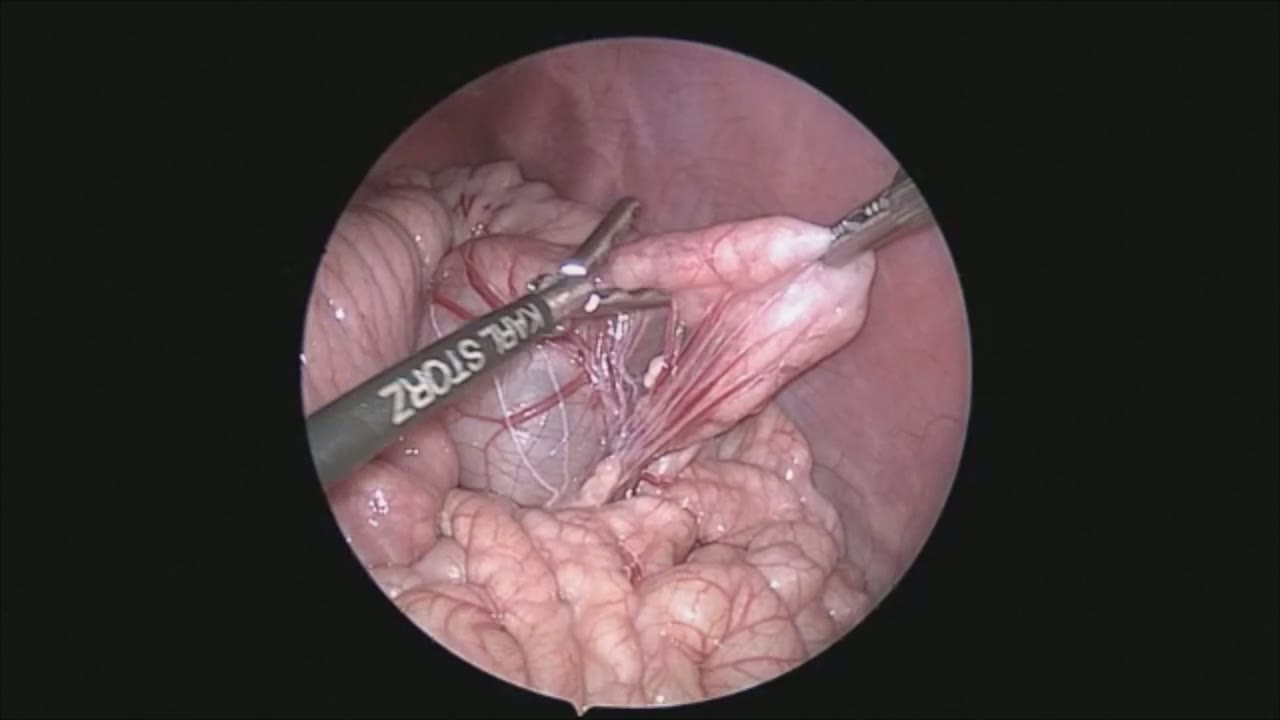
sealer demo
Dr. Steve Rothenberg · 3 min · Published May 2026
Video
pyloric knife
Dr. Steve Rothenberg · Published May 2026
Video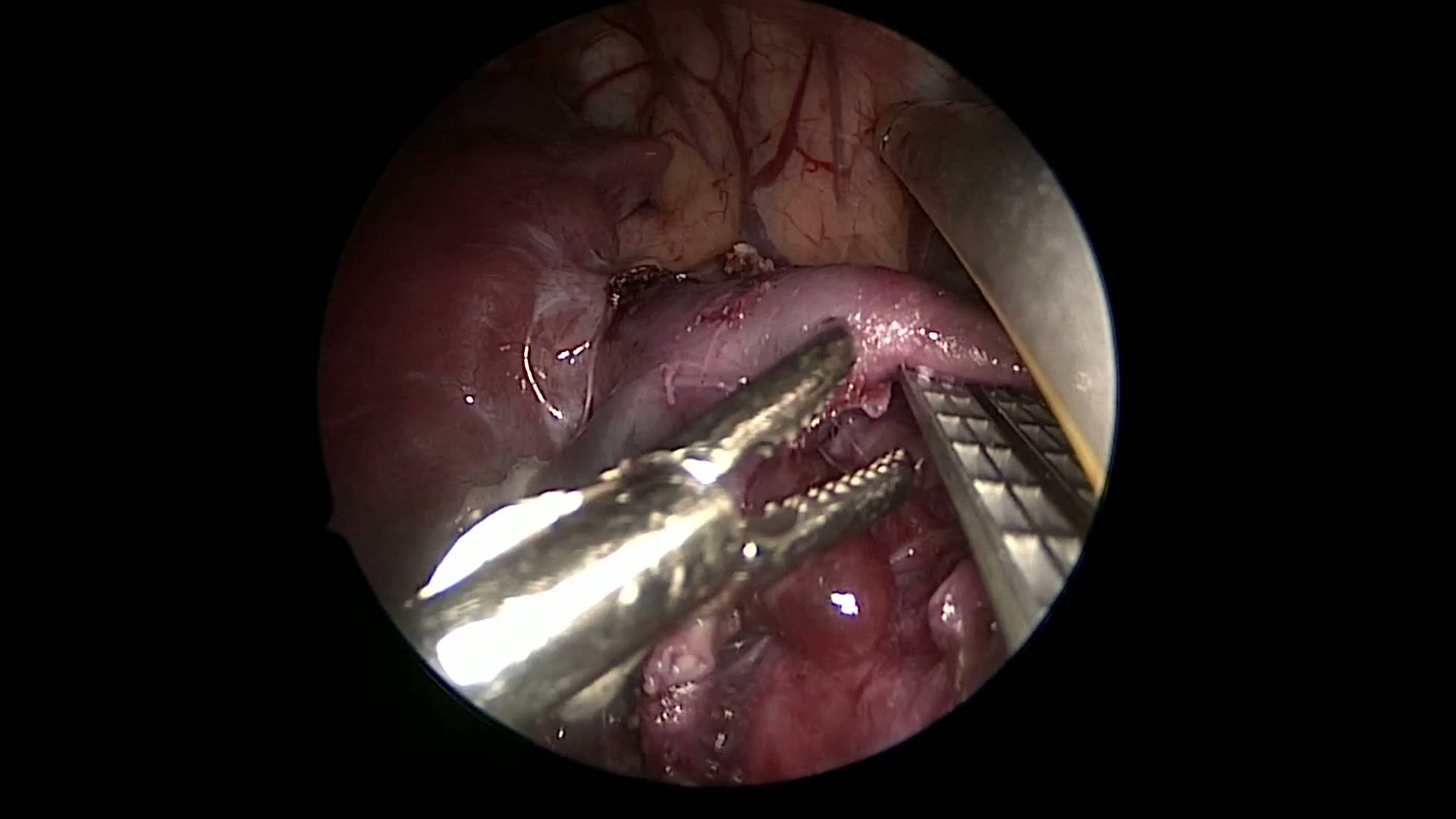
pulm artery LLL
Dr. Steve Rothenberg · 9 s · Published May 2026
Video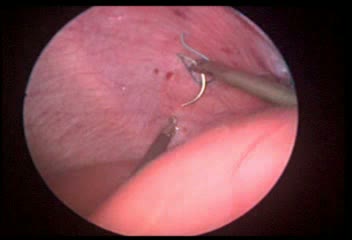
plication narrated
Dr. Steve Rothenberg · 6 min · Published May 2026
Video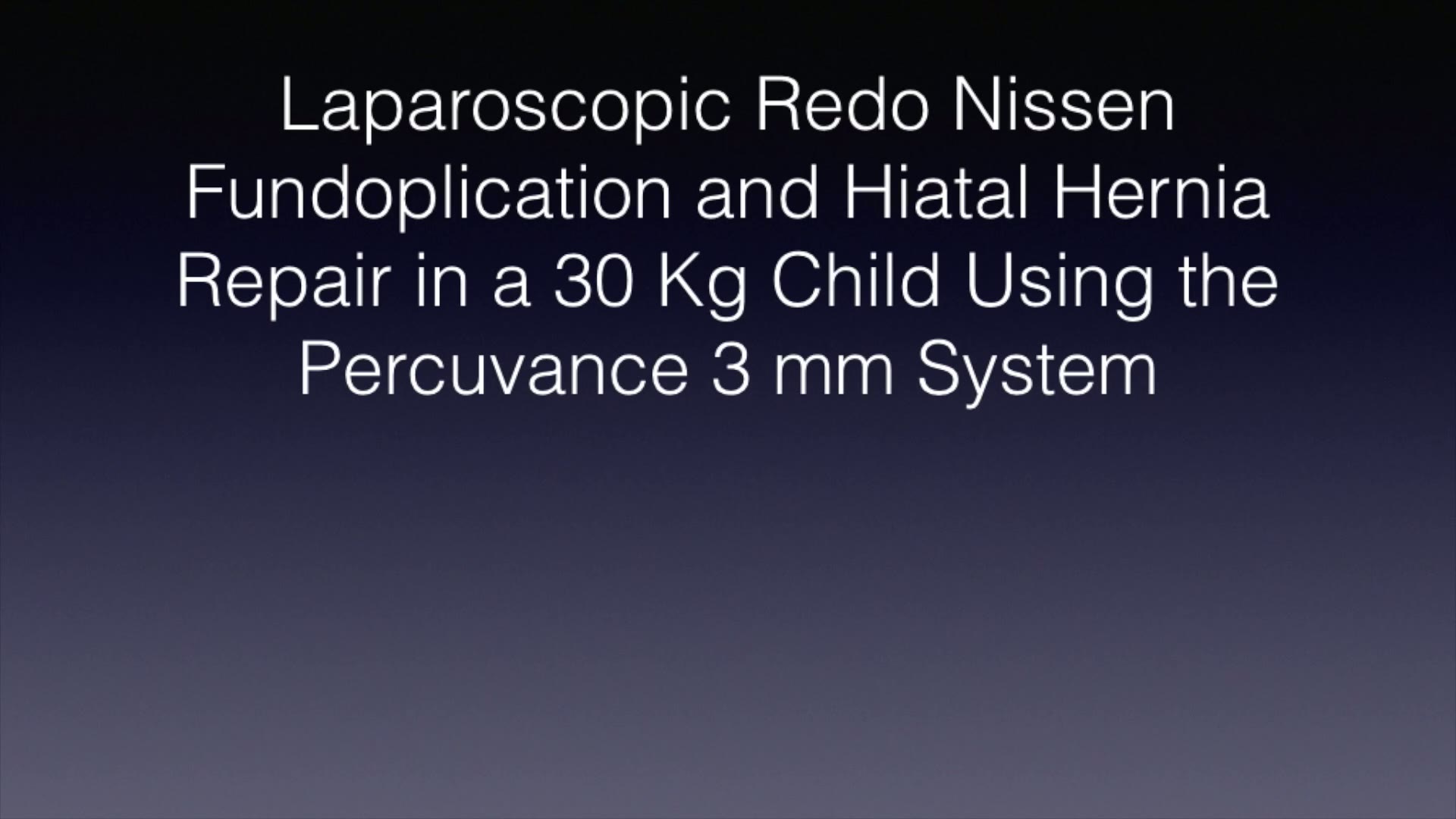
percuvance redo nissen
Dr. Steve Rothenberg · 5 min · Published May 2026
Video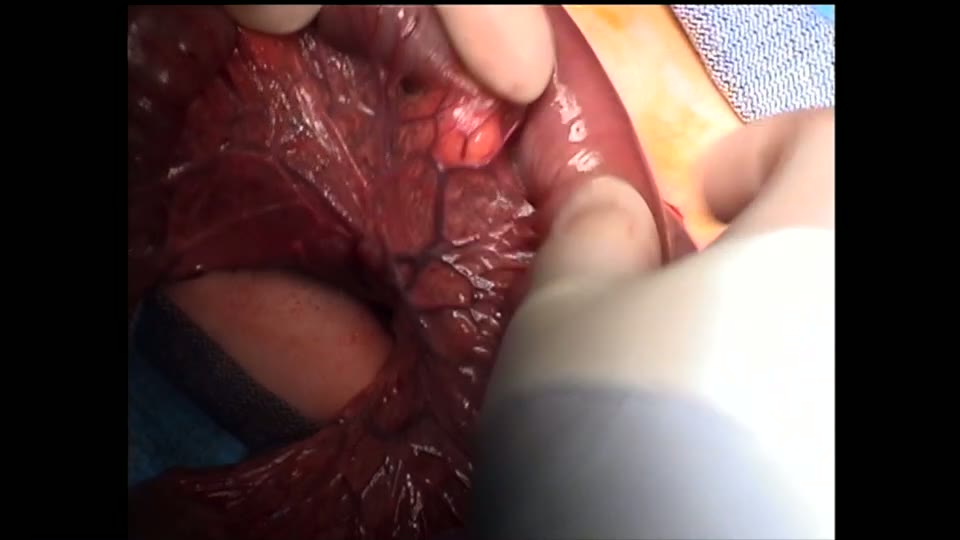
open bowel anast
Dr. Steve Rothenberg · Published May 2026
Video
Intestinal Atresia Types Explained: Grossfeld Classification for Pediatric Surgery
1 min · Published Sep 2026
Video
Derivation and validation of the Pediatric Community-Acquired Pneumonia Severity (PedCAPS) score: A prospective cohort study
50 s · Published Sep 2026
Video
FETO for Late-Diagnosed Severe Congenital Diaphragmatic Hernia (CDH) at Cincinnati Children's with Dr. Beth Rymeski
4 min · Published Sep 2026
Video
Severe Congenital Diaphragmatic Hernia (CDH) Case: FETO Management & Unexpected Findings with Dr. Beth Rymeski
3 min · Published Sep 2026
Video
Fetoscopic Endoluminal Tracheal Occlusion (FETO) Procedure: Step-by-Step Guide with Dr. Beth Rymeski
4 min · Published Sep 2026
Video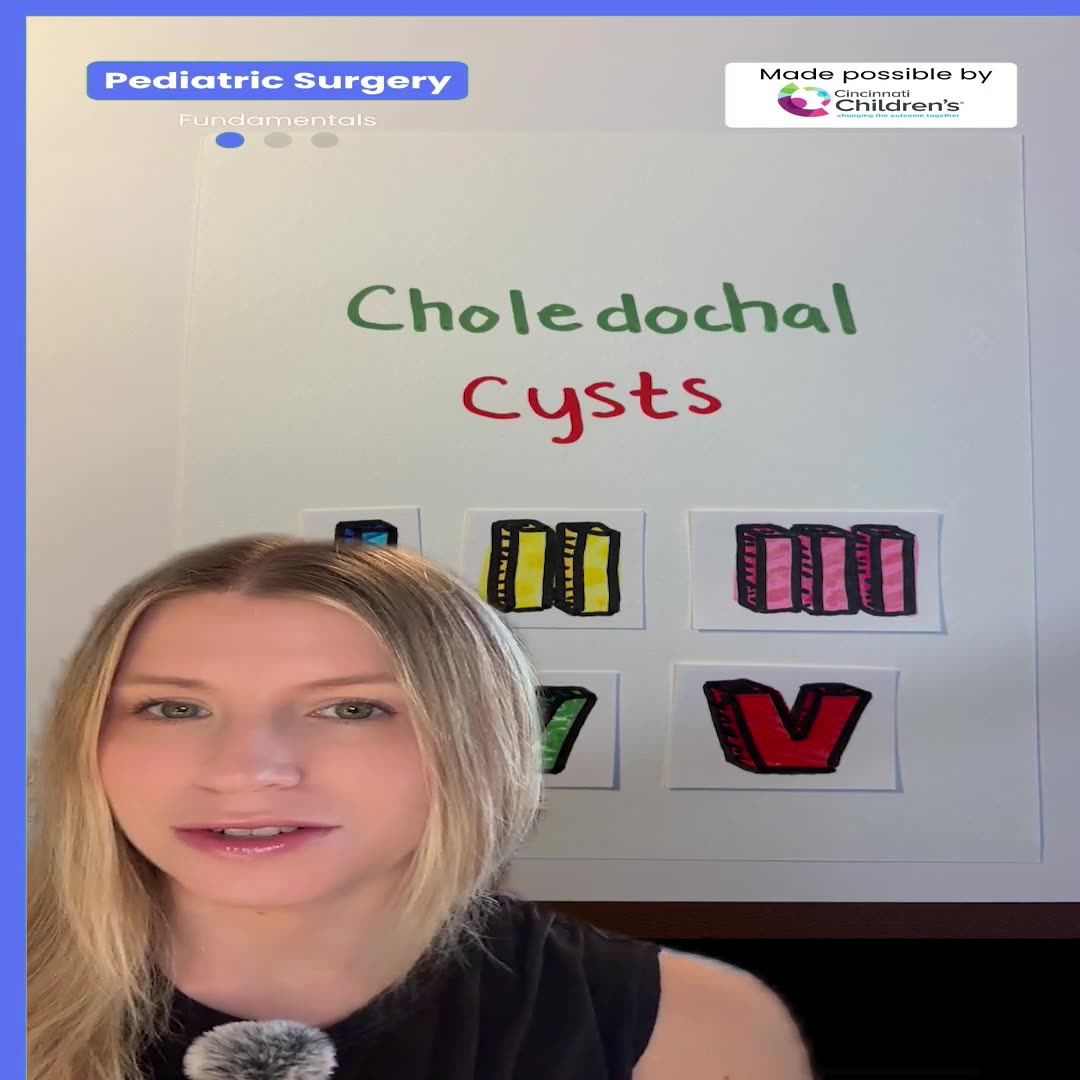
Choledochal Cyst Types Explained: Pediatric Surgery Fundamentals
1 min · Published Sep 2026
What the experts said
The appearance of the umbilicus determines how the appendicostomy is fashioned.
A chimney-like umbilicus allows creation of an easily catheterizable stoma by removing a circle of skin and the cicatrix down to the peritoneum.
This is an open procedure performed when a child requires both a Malone and a Mitrofanoff.
The appendix can be divided through a window in the mesoappendix where blood vessels supply the proximal and distal portions.
The proximal portion of the divided appendix (in continuity with cecum) becomes the Malone channel.
The distal portion of the divided appendix becomes the Mitrofanoff channel.
A window is made in the mesentery to allow cecal plication around the appendix base to help reduce leakage.
Great care must be taken not to interrupt the blood supply during cecal plication.
The cecum is plicated with silk sutures around the base of the appendix.
A superficial bite of the appendix is taken with each stitch to ensure the lumen is not narrowed.
Gentle traction is applied to the appendix during suturing to ensure it remains straight.
An 8 French feeding tube is passed through the appendix to ensure the channel is easily catheterizable.
The appendix is delivered through the umbilicus and fashioned into a catheterizable stoma with the feeding tube left in situ.