


From
EUPSA/ERNICA
What is small bowel atresia?: An ERNICA animation for parents and families
Chapter 1 of 4 · Fundamentals
Normal anatomy
Normal small intestine anatomy and function
Expert statements on this page
No expert statements were drawn from this page.
Host summaries · secondary, not cited in answers
Educational content from recorded physician discussions — not medical advice. Talk to your (or your child's) care team about your situation.
Video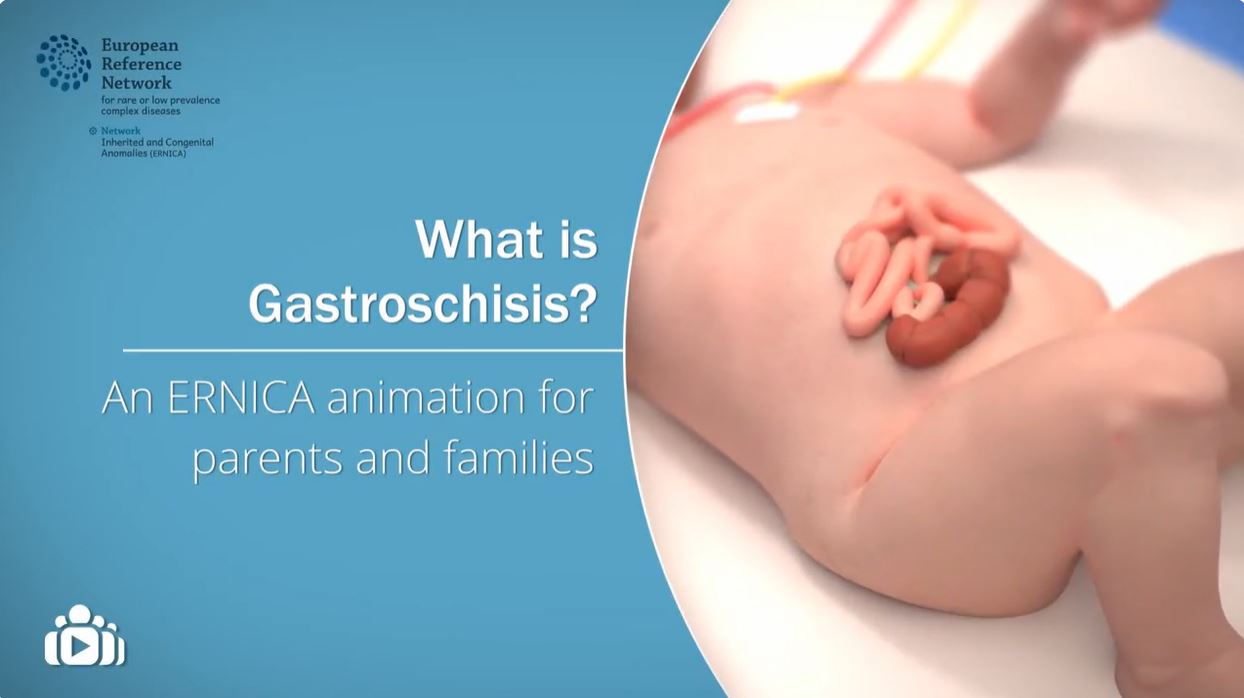
What is Gastroschisis? An ERNICA animation for parents and families
2 min · Published Dec 2023
Video
What is Omphalocele? An ERNICA animation for parents and families
3 min · Published Dec 2023
Video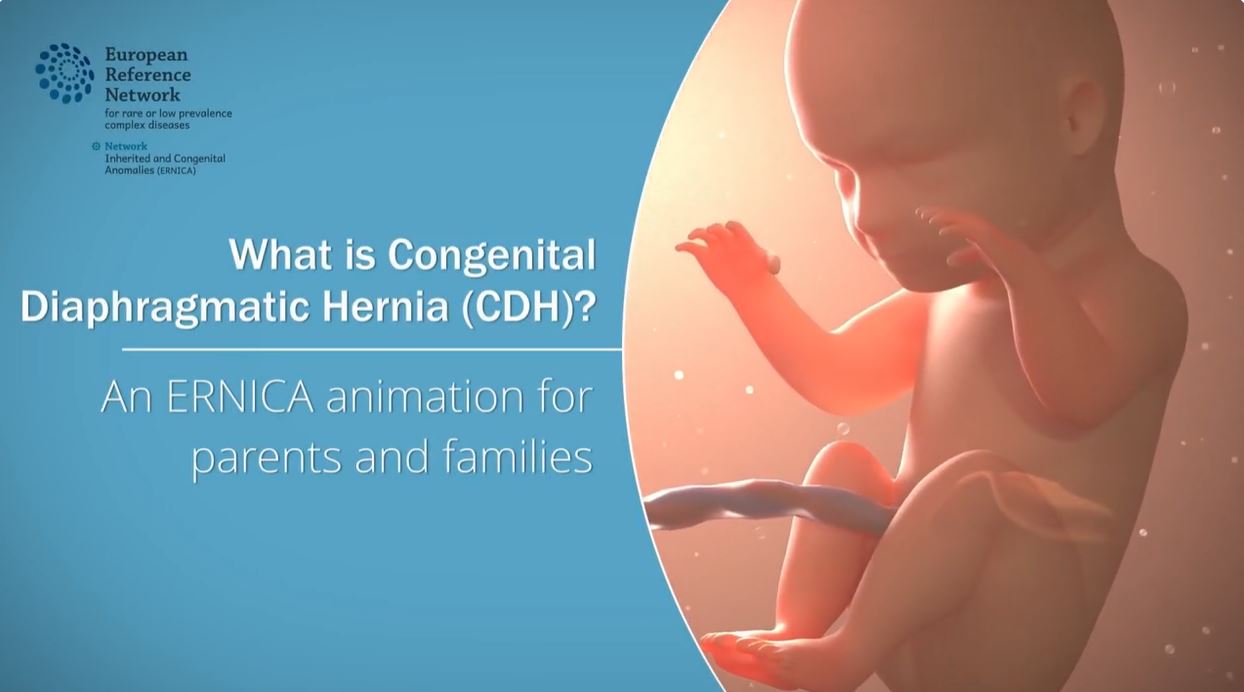
What is Congenital Diaphragmatic Hernia (CDH)? An ERNICA animation for parents and families
3 min · Published Dec 2023
Video
Hirschsprung-associated enterocolitis in children: An ERNICA animation for parents and families
3 min · Published Dec 2023
Video
Surgical treatment for Hirschsprung’s Disease: An ERNICA animation for parents and families
3 min · Published Dec 2023
Video
How is Hirschsprung's Disease diagnosed? An ERNICA animation for parents and families
3 min · Published Dec 2023
What the experts said
The small intestine is a muscular tube connecting the stomach and the colon, transporting food and fluid while absorbing nutrients needed for growth and development.
The small intestine transports food and fluid through a type of movement called peristalsis.
Small bowel atresia occurs when a baby's small intestine does not develop properly during pregnancy, with one or multiple segments being abnormally narrow or missing completely.
Small bowel atresia is classified as a rare birth defect.
Small bowel atresia blocks the normal transportation of fluid and food through the small intestine, causing the proximal intestine to expand due to buildup of fluid and food.
In most cases, the cause of small bowel atresia is unknown.
Small bowel atresia is thought to occur because of reduced blood flow to a part of the intestine during pregnancy.
In some cases, small bowel atresia may be associated with other birth defects such as cystic fibrosis.
Small bowel atresia may be suspected before birth using ultrasound and confirmed in the hours after birth using X-ray.
Babies that do not pass meconium or present with repeated vomiting and swelling of the belly in the first few days of life must undergo X-ray imaging.
Ongoing care for babies with small bowel atresia should be provided at a specialist center by a dedicated team with knowledge and experience of the condition.
Early detection of small bowel atresia is very important because if untreated, a child will not be able to feed, which is necessary for survival and growth.
Before surgery for small bowel atresia, dehydration and other health concerns should be managed, and the baby's stomach may be emptied using a nasogastric tube to prevent aspiration during surgery.
Surgery for small bowel atresia aims to create an unobstructed passage through the small intestine by removing narrow segments and connecting the disconnected ends of the intestine together.
In some cases of small bowel atresia, immediate reconnection is not possible and a temporary stoma is created for waste to pass through while the intestine grows.
After surgery for small bowel atresia, most children will be able to feed normally, though they often need parenteral nutrition via a vein during intestinal recovery for a period of days, weeks, or months.
Further surgery may be needed if the intestine does not recover well after initial surgery for small bowel atresia.
Hospital length of stay for babies with small bowel atresia differs depending on the severity of the atresia, any complications, and response to treatment.
Follow-up care by a multidisciplinary team is required for babies with small bowel atresia.
Some babies with small bowel atresia may require parenteral nutrition for a longer period if a large part of the small intestine is missing, and in most cases this can be administered at home under specialist guidance.