


From
EUPSA/ERNICA
Transition of Care - Sexuality
Chapter 1 of 5 · Fundamentals
Early body awareness
Importance of addressing sexuality in congenital anomalies and early childhood body awareness
Expert statements on this page
No expert statements were drawn from this page.
Host summaries · secondary, not cited in answers
Educational content from recorded physician discussions — not medical advice. Talk to your (or your child's) care team about your situation.
Video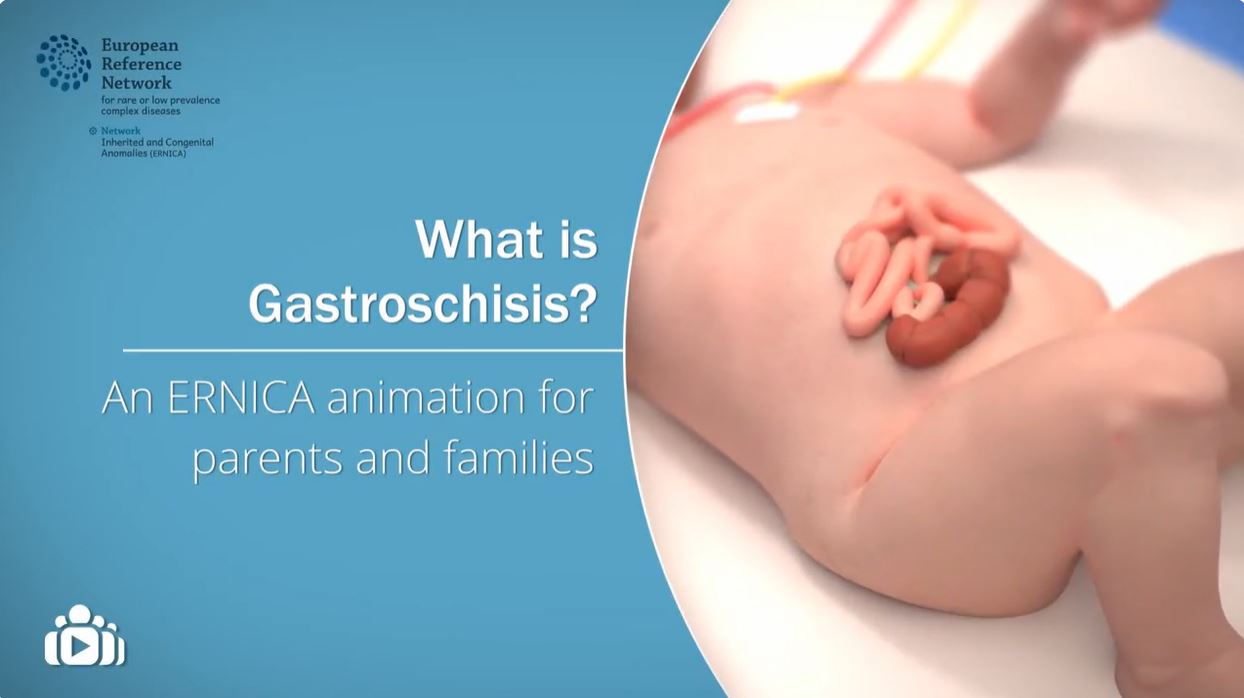
What is Gastroschisis? An ERNICA animation for parents and families
2 min · Published Dec 2023
Video
What is Omphalocele? An ERNICA animation for parents and families
3 min · Published Dec 2023
Video
What is Congenital Diaphragmatic Hernia (CDH)? An ERNICA animation for parents and families
3 min · Published Dec 2023
Video
What is small bowel atresia?: An ERNICA animation for parents and families
4 min · Published Dec 2023
Video
Hirschsprung-associated enterocolitis in children: An ERNICA animation for parents and families
3 min · Published Dec 2023
Video
Surgical treatment for Hirschsprung’s Disease: An ERNICA animation for parents and families
3 min · Published Dec 2023
What the experts said
Sexuality should be a key consideration for patients with congenital anomalies due to abnormal anatomy, scarring, and insecurities that can cause problems with body image and impact sexual development.
Normalizing sexuality as part of a child's broader development is of utmost importance for achieving better quality of life.
At 3 to 4 years of age, children start getting interested in exploring their bodies and generally go through a phase of body comparison.
Starting from 3-4 years of age, patients with congenital anomalies will have to deal with self-awareness and will need tools to talk about their bodies and why they look different compared to peers.
The role of clinicians is to make parents aware of the body-comparison phase so they will be prepared for their child's questions and ready to support them comfortably.
Clinicians should empower parents to discuss sexuality with their child in accordance with the patient's age, encouraging them not to consider it as a taboo, as the first step to achieve normalization and promote body confidence.
Adolescents do not like to discuss sexuality with adults, but with peers.
Patients with congenital anomalies might find it difficult to express any physical differences they might encounter to their friends.
Patients need to receive information about their bodies at an earlier stage at 9 to 10 years old to give them additional tools as adolescents to talk about sexuality with peers and eventually seek advice from parents or clinicians.
By including the topic of sexuality as a standard part of the patient's follow-up program, clinicians can normalize the topic and make it easier to refer back to it at a later stage.
In order for clinicians to discuss sexuality, they must be comfortable with addressing the topic, with the possibility of referral to a specialist who is more familiar with talking about sexuality according to the child's developmental age.
Not only children with functional pelvic floor problems may experience difficulties related to sexuality; this topic should be addressed for all children with congenital anomalies or chronic health conditions.
Factors associated with having a congenital anomaly that may impact a patient's self-image include having scars or anatomical deformities.
Some patients may be afraid to talk about their body being different due to feelings of shame or insecurities, which in the long term may impact their sexuality and how they enter into relationships.
Colorectal patients who are dependent on bowel management may experience negative associations with this region of the body, making it difficult to relax during sexual activity and experience sexual pleasure.
Colorectal patients may have fears about soiling and uncertainty about possible odors, which they may find difficult to talk about, and these factors may impact their sexuality.
A psychologist can support the patient to manage difficult feelings related to body image and sexuality, promote body confidence, and help make it open to discussion when starting a relationship.
It is important to build a network of interested clinicians with relevant experience working with patients with congenital anomalies on sexuality topics, including a specialist nurse, gynecologist, urologist, psychologist, and sexologist.
Clinicians can make use of other resources available, such as online tools, websites, and books to educate themselves, their patients, and their patients' parents.
When addressing the topic of sexuality with the patient, the use of language and terminology used with patients and parents should be consistent, and age-appropriate books can help identify the best terminology for clinicians and parents to use.