

From
EUPSA/ERNICA
Transition of care: Initial impressions from the Erasmus MC
Chapter 1 of 6 · Fundamentals
Program overview
Introduction to Erasmus MC Transitional Programs
Expert statements on this page
No expert statements were drawn from this page.
Host summaries · secondary, not cited in answers
Educational content from recorded physician discussions — not medical advice. Talk to your (or your child's) care team about your situation.
Video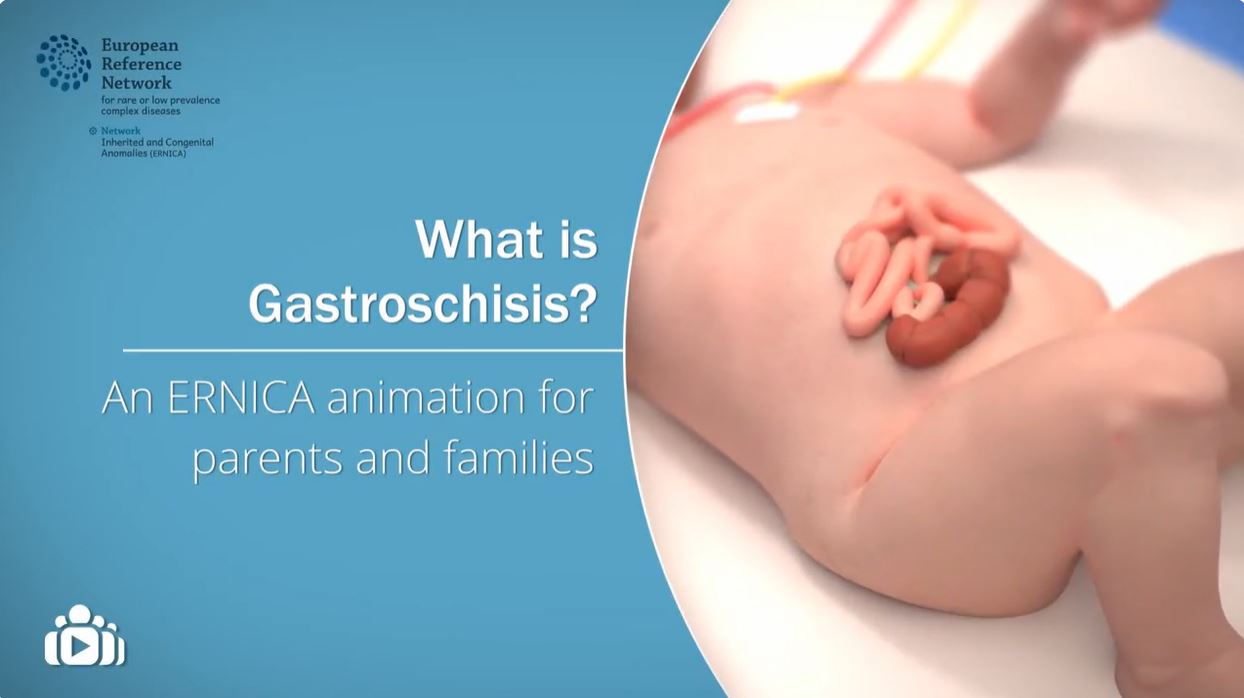
What is Gastroschisis? An ERNICA animation for parents and families
2 min · Published Dec 2023
Video
What is Omphalocele? An ERNICA animation for parents and families
3 min · Published Dec 2023
Video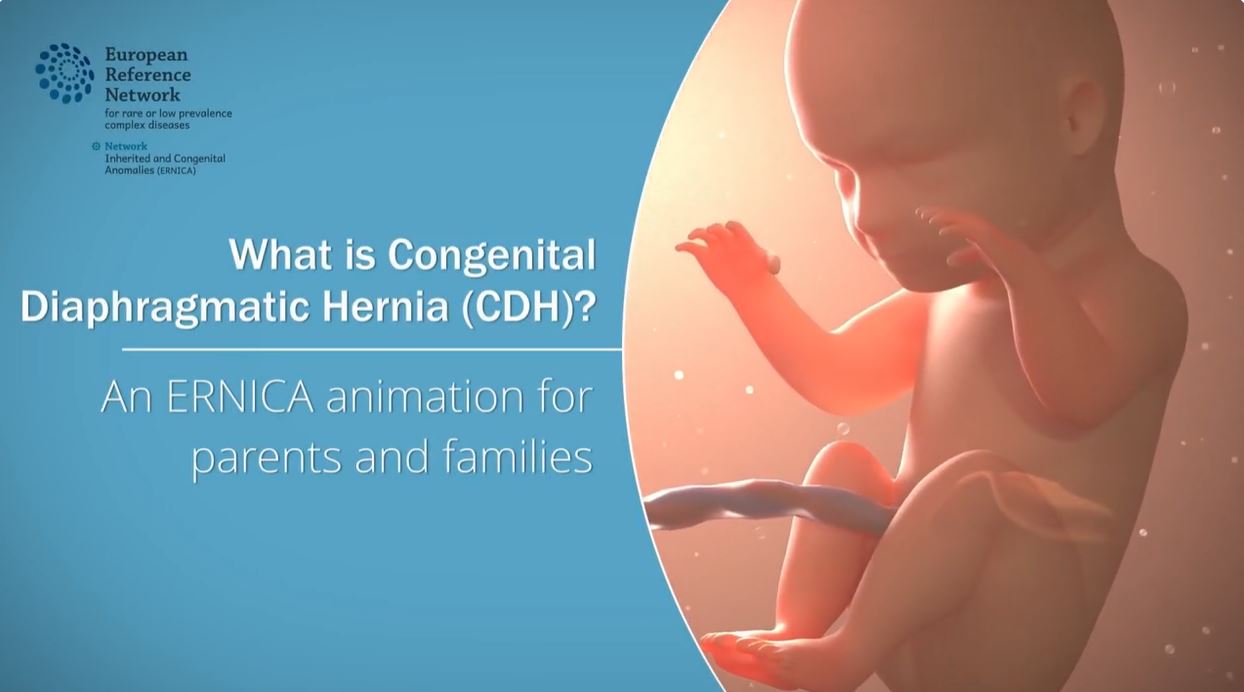
What is Congenital Diaphragmatic Hernia (CDH)? An ERNICA animation for parents and families
3 min · Published Dec 2023
Video
What is small bowel atresia?: An ERNICA animation for parents and families
4 min · Published Dec 2023
Video
Hirschsprung-associated enterocolitis in children: An ERNICA animation for parents and families
3 min · Published Dec 2023
Video
Surgical treatment for Hirschsprung’s Disease: An ERNICA animation for parents and families
3 min · Published Dec 2023
What the experts said
There are huge differences between pediatric and adult healthcare: Children's Hospital uses holistic approach looking at family, school, sports, while adult side is more focused on the disease
Patients fall into a gap if they are not prepared for transition from pediatric to adult care
Erasmus MC has been doing follow-up for almost 25 years
A lot of problems from congenital anomalies continue on into adult life
Main goal of transitional program is to train children to recognize importance of their own health, recognize risks they run, and minimize risks
18-year-olds are often not really adults in their behavior and skills
Pediatric and adult healthcare providers have to have close contact to provide continuity of care
One of the main goals is to not lose any patients in transition of care
We know we lose patients during transition
Patients need to know who to contact on the adult team and when to contact the adult team
Patients with a lot of problems know why they need transitional programs, but patients with not a lot of problems sometimes don't know what they have
A lot of parents are unaware that they need lifelong care, and a lot of children are unaware that they need lifelong care
Follow-up care provides years to teach both parents and children that their health is their responsibility and they need lifelong care
Based on experience from own center and answers from patients and patient support groups, it is extremely important to implement transitional care
Proper transition can reduce comorbidities in adulthood
Health systems differ in every country
Need to make a basis for all patients in Europe so they can have transition to adult care
Ernica can play a role in establishing standardized transitional programs by pulling together different countries' expertise and resources
Improvement of neonatal and perioperative care has resulted in increased survival rate for patients with congenital anomalies and chronic conditions
Erasmus MC has transitioned 35% of 17-year-old patients from pediatric to adult oriented care
Transitional programs are gaining an ever increasing role within the patient's journey
These programs can be considered a key instrument to ensure a multidisciplinary approach in the continuity of care