


From
EUPSA/ERNICA
Disconnecting the parenteral nutrition infusion for children at home: An ERNICA animation
Chapter 1 of 3 · Fundamentals
Room preparation
Introduction and environmental preparation
Expert statements on this page
No expert statements were drawn from this page.
Host summaries · secondary, not cited in answers
Educational content from recorded physician discussions — not medical advice. Talk to your (or your child's) care team about your situation.
Video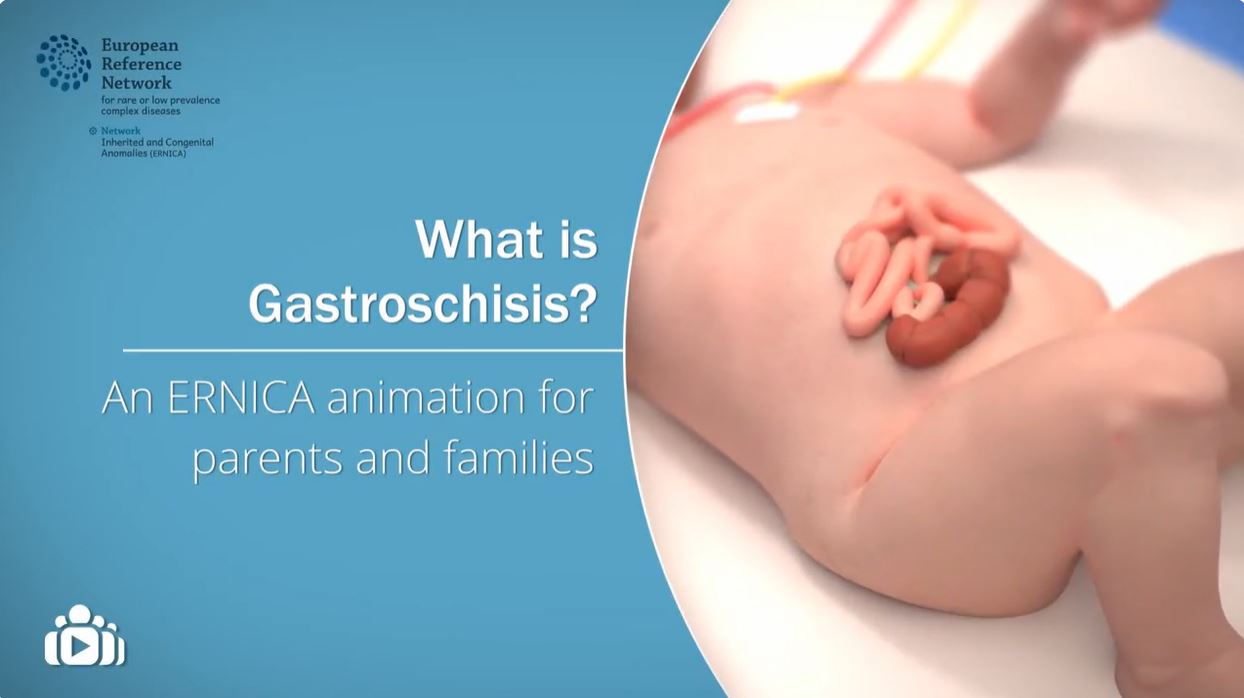
What is Gastroschisis? An ERNICA animation for parents and families
2 min · Published Dec 2023
Video
What is Omphalocele? An ERNICA animation for parents and families
3 min · Published Dec 2023
Video
What is Congenital Diaphragmatic Hernia (CDH)? An ERNICA animation for parents and families
3 min · Published Dec 2023
Video
What is small bowel atresia?: An ERNICA animation for parents and families
4 min · Published Dec 2023
Video
Hirschsprung-associated enterocolitis in children: An ERNICA animation for parents and families
3 min · Published Dec 2023
Video
Surgical treatment for Hirschsprung’s Disease: An ERNICA animation for parents and families
3 min · Published Dec 2023
What the experts said
The advice and techniques for disconnecting parenteral nutrition might vary between clinical teams, so always refer to your own care provider for the local protocol.
This animation video should not replace the extensive formal training that parents should receive from expert clinicians with experience in parenteral nutrition and its administration at home.
Hands should be washed after removing jewelry from hands and wrists.
Everybody in the room should put on a surgical mask.
Hands should be washed thoroughly, firstly with normal soap and then again with hydro alcoholic solution for at least 30 seconds.
The catheter hub should be disinfected using gauze with alcoholic chlorhexidine, wiping for 30 seconds.
The person who is going to disconnect the catheter should put on sterile gloves.
Some clinical teams may also encourage you to wear a sterile gown.
If you are not changing the valve, disinfect it with an antiseptic gauze for 15 seconds.
Saline should be injected into the catheter using the pulse rinsing technique: 3 to 4 pushes on the 10 millimeter saline syringe.
The pulse rinsing procedure with saline is very important to avoid the catheter being obstructed whilst it is not in use.
If prescribed, taurolidine lock should be injected slowly into the catheter, counting for 5 seconds.
The catheter hub and valve should be protected with a sterile dry gauze and a compressive elastic band after disconnection.