


From
EUPSA/ERNICA
What is Hirschsprung's Disease? An ERNICA animation for parents and families
Chapter 1 of 4 · Fundamentals
Anatomy & pathophysiology
Normal bowel anatomy, physiology, and introduction to Hirschsprung's disease
Expert statements on this page
No expert statements were drawn from this page.
Host summaries · secondary, not cited in answers
Educational content from recorded physician discussions — not medical advice. Talk to your (or your child's) care team about your situation.
Video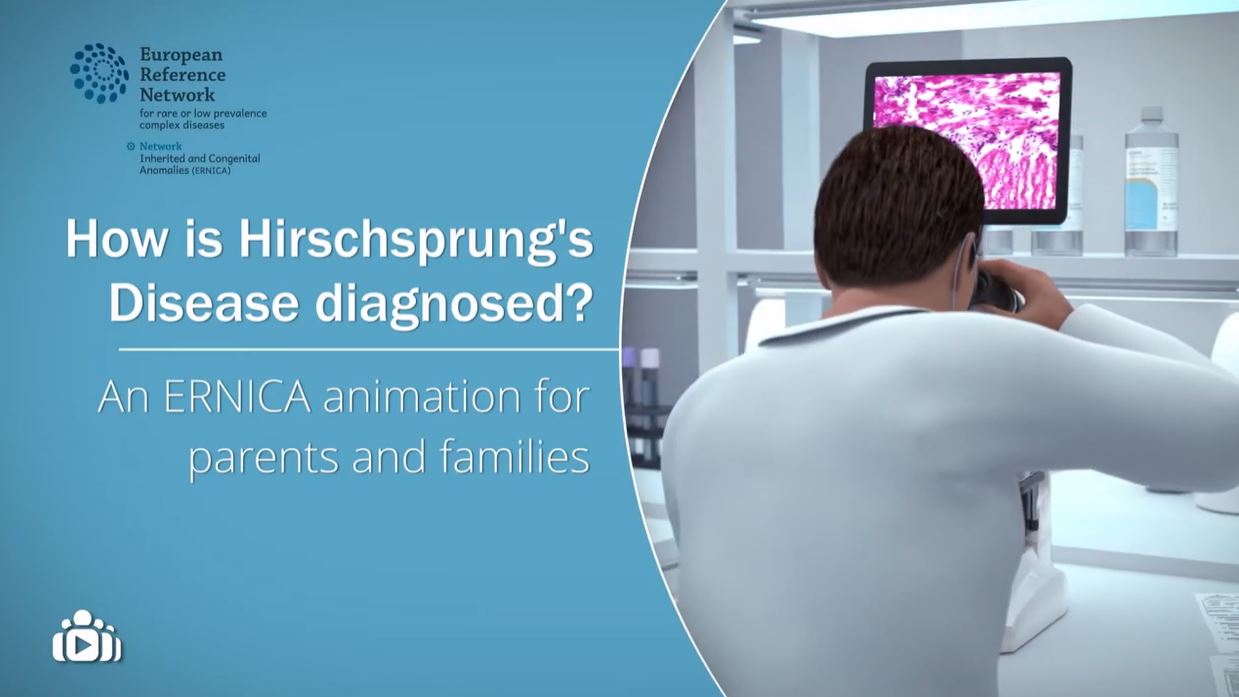
How is Hirschsprung's Disease diagnosed? An ERNICA animation for parents and families
3 min · Published Dec 2023
Video
Surgical treatment for Hirschsprung’s Disease: An ERNICA animation for parents and families
3 min · Published Dec 2023
Video
Error Traps and Culture of Safety in Hirschsprung Disease
CCHMC Pediatric Surgery · Published Oct 2019
Podcast
Colorectal Quiz: Episode 46
Marc Levitt · 29 min · Published Apr 2025
Video
Panel Discussion and Case Presentation Part II: Pediatric Bowel Management 2013
Dr. Todd Ponsky · 33 min · Published May 2013
Video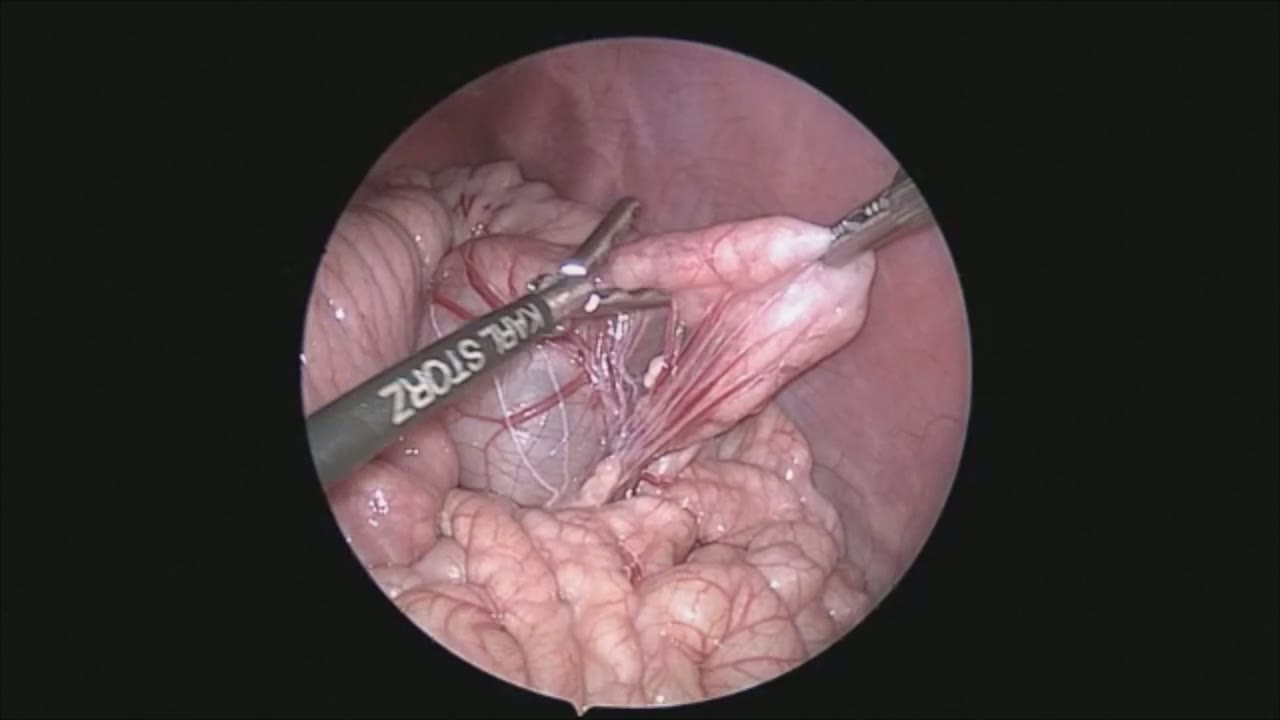
sealer demo
Dr. Steve Rothenberg · 3 min · Published May 2026
Video
Validation of an anorectal malformation trainer - Can a high-fidelity model simulate real life?
1 min · Published Jun 2026
Video
Complications and Long-Term Outcomes of Patients With Cloacal Malformation After Bowel Neovagina...
1 min · Published Jun 2026
Video
Safety and utility of long-acting steroid injection for management of post-operative stricture...
1 min · Published Jun 2026
Video
Association Between Social Determinants of Health and Choice of Urinary Reconstruction in Children
1 min · Published Jun 2026
Video
The Perineal Body Preserving PSARP (PPP)
11 min · Published Jun 2026
Video
Update Course Rewind 2025: Hirschsprung + ARM: Rare but Real
1 min · Published May 2026
Video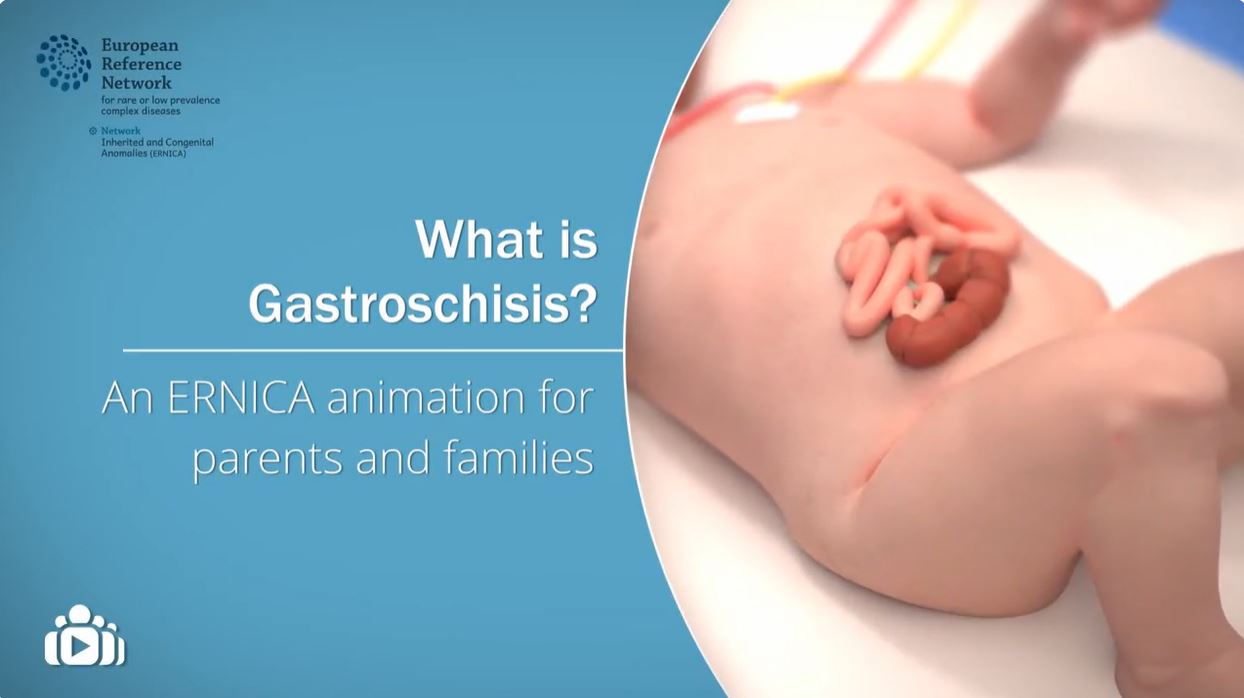
What is Gastroschisis? An ERNICA animation for parents and families
2 min · Published Dec 2023
Video
What is Omphalocele? An ERNICA animation for parents and families
3 min · Published Dec 2023
Video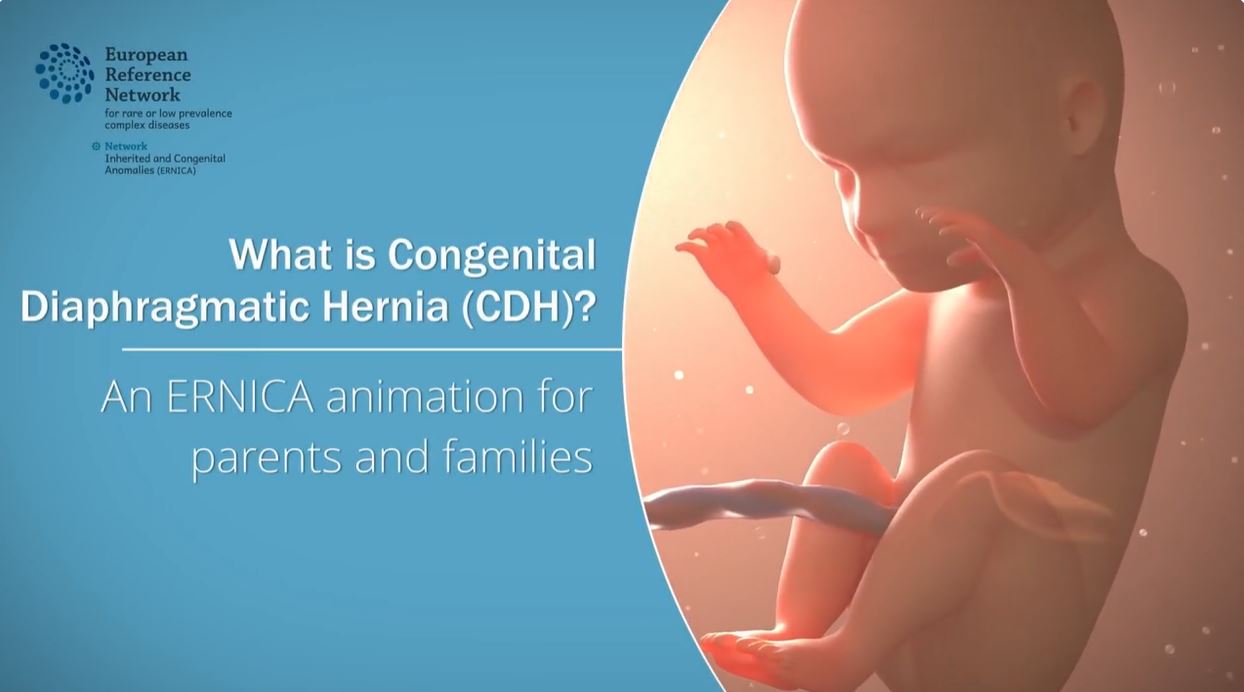
What is Congenital Diaphragmatic Hernia (CDH)? An ERNICA animation for parents and families
3 min · Published Dec 2023
Video
What is small bowel atresia?: An ERNICA animation for parents and families
4 min · Published Dec 2023
Video
Hirschsprung-associated enterocolitis in children: An ERNICA animation for parents and families
3 min · Published Dec 2023
Video
Reliance on total parenteral nutrition (TPN) and travelling abroad
1 min · Published Dec 2023
What the experts said
Hirschsprung's disease is also known as agangliosis of the colon.
Peristalsis, the movement needed to move food through the bowel, requires ganglion cells in the bowel wall.
Ganglion cells cover the full length of the bowel and form during a baby's development before birth.
Some babies are born with a bowel wall that is not entirely covered by ganglion cells, making peristalsis difficult; this is called Hirschsprung's disease.
Hirschsprung's disease is classed as a rare birth defect.
The cause of Hirschsprung's disease is unknown.
Hirschsprung's disease can be associated with a syndrome such as Down syndrome or with certain genetic defects involving the RET gene.
In Hirschsprung's disease, the absence of ganglion cells always starts at the rectum end of the bowel.
Most of the time, ganglion cells are missing from the end of the colon.
Ganglion cells can be missing from more of the colon or the small intestine, but this happens less often.
Due to difficulties with bowel movement, a baby with Hirschsprung's disease may not pass meconium or this may be delayed.
A baby with Hirschsprung's disease may experience vomiting, a swollen belly, and a buildup of feces in the body.
Sometimes babies with Hirschsprung's disease don't show symptoms straight away after birth; symptoms can present later on, for example when the baby starts to eat solid food.
The feces that have built up in the colon can be removed through a special tube called a rectal cannula in a process called irrigation.
If irrigation is not sufficient to relieve the bowel or other complications arise, it may be necessary to create an opening in the body for feces to pass through, known as a stoma.
A diagnosis of Hirschsprung's disease is confirmed after birth by taking a sample of tissue from the baby's rectum through the anus, a procedure known as a rectal biopsy.
When the length of the affected bowel area is known, surgery can be planned.
Before surgery, irrigations can help to relieve the bowel, and parents can be trained to perform these at home.
In surgery for Hirschsprung's disease, the affected part of the bowel is removed, which helps to bring back bowel movement.
If the child has had a stoma, this can be surgically closed.
A baby with Hirschsprung's disease should be treated at a specialist center by a dedicated team of different professionals who have knowledge and experience of looking after babies with Hirschsprung's disease.
Although surgery can help to relieve symptoms, a developing baby with Hirschsprung's disease may experience ongoing difficulties that require different types and levels of care.
Post-surgical difficulties in Hirschsprung's disease may include constipation (when it is difficult to pass feces) and a lack of control over bowel movements.
Sometimes support with bowel management is necessary after surgery for Hirschsprung's disease.
Structured regular follow-up care by a team of different clinical specialists (ideally a multidisciplinary team or MDT) is essential for babies with Hirschsprung's disease.
Identifying any complications or difficulties early in Hirschsprung's disease is very important.
Even if a child has symptoms after corrective surgery for Hirschsprung's disease, these can improve as they grow older.
Peer support for families of children with Hirschsprung's disease can be accessed through patient and family support groups.