

From
EUPSA/ERNICA
ERNICA Research Collaboration - Mental health of parents in the context of EA/TOF
With Dr. Vuko Wallace & Dr. Ella Bailey · hosted by Dr. Andre Riedman
Chapter 1 of 5 · Fundamentals
Webinar intro
Introduction and webinar setup
Expert statements on this page
No expert statements were drawn from this page.
Host summaries · secondary, not cited in answers
Educational content from recorded physician discussions — not medical advice. Talk to your (or your child's) care team about your situation.
Podcast
IFMSS 2019 Clinical Studies
19 min · Published Nov 2022
Video
Disruptive AI technologies transforming healthcare and medical education
34 min · Published Aug 2023
Video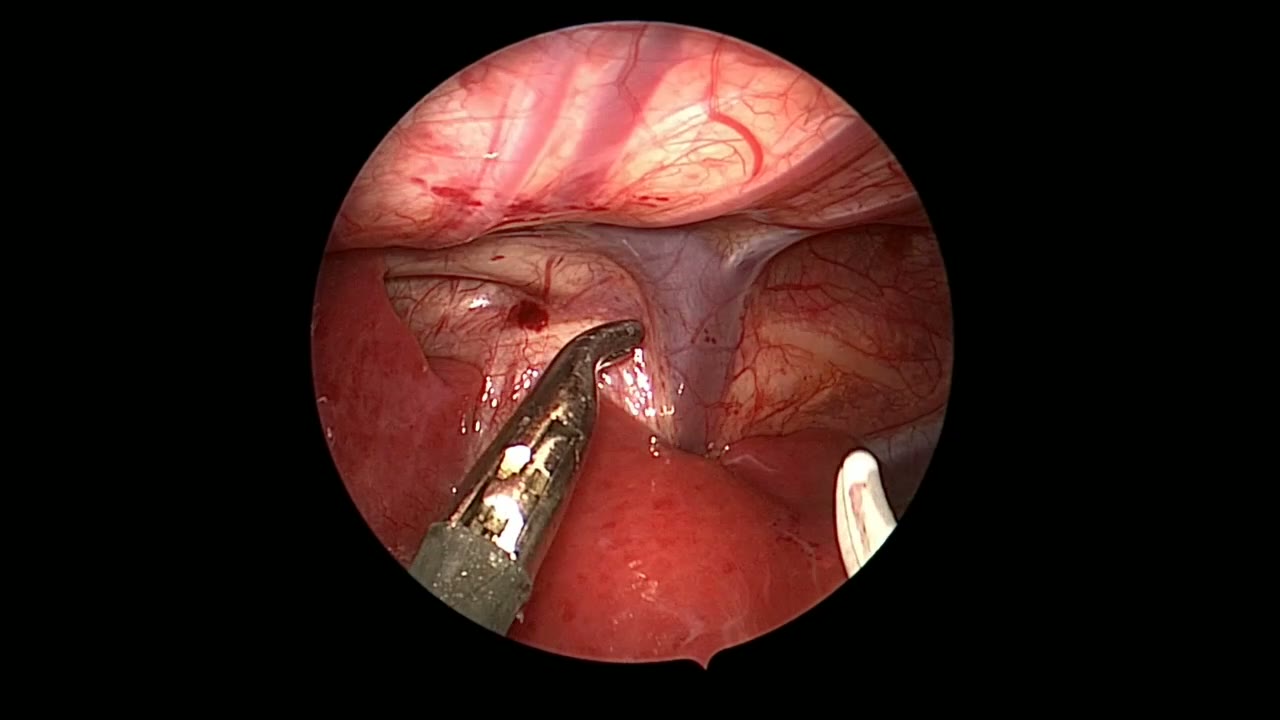
JRS TEF SHORT
Dr. Steve Rothenberg · 2 min · Published May 2026
Video
Glycopyrrolate for Anastomtic Dehiscence in Esophageal Atresia
2 min · Published May 2017
Video
Esophageal Atresia & Tracheoesophageal Fistula (EA/TEF) Types Explained for Pediatric Surgery
2 min · Published Sep 2026
Video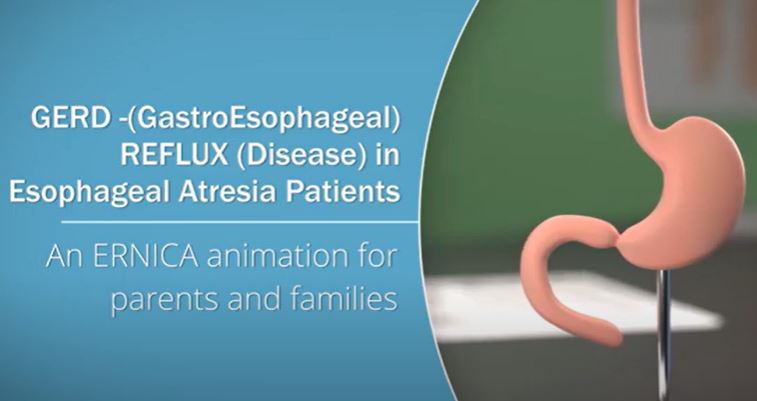
GERD - (GastroEsophageal) REFLUX (Disease) in Esophageal Atresia Patients: An ERNICA animation
4 min · Published Nov 2023
Only a few other public items share this expert — go deeper there →
Video
What is Gastroschisis? An ERNICA animation for parents and families
2 min · Published Dec 2023
Video
What is Omphalocele? An ERNICA animation for parents and families
3 min · Published Dec 2023
Video
What is Congenital Diaphragmatic Hernia (CDH)? An ERNICA animation for parents and families
3 min · Published Dec 2023
Video
What is small bowel atresia?: An ERNICA animation for parents and families
4 min · Published Dec 2023
Video
Hirschsprung-associated enterocolitis in children: An ERNICA animation for parents and families
3 min · Published Dec 2023
Video
Surgical treatment for Hirschsprung’s Disease: An ERNICA animation for parents and families
3 min · Published Dec 2023
What the experts said
A survey of 240 parents from 17 different countries has led to 44 peer-reviewed articles on mental health in families affected by EA/TOF.
Nearly 70% of parents of children with EA/TOF reported anxiety and nearly 40% reported depression, including mild levels.
The child's feeding problems was a key medical characteristic associated with parental anxiety and depression in EA/TOF.
Parental factors associated with anxiety and depression in EA/TOF include parents' younger age, perceived lack of support, caring stress, and financial worries.
Parents of children with EA/TOF reported themes of anxiety, trauma, and loss related to feeding, including fear of feeding and their child choking.
Parents of children with EA/TOF reported feeling isolated and unsupported, with a sense that people didn't understand them.
Support from information, professionals, and family members helped parents of children with EA/TOF develop resilience and coping.
Caring for a chronically ill child requires additional care including daily medical care, hospital appointments, and financial management, impacting parents' employment, social life, and health-related quality of life.
Parents of chronically ill children report poorer mental health, more parenting stress, and increased anxiety and depression.
Parental anxiety and depression predict child's mental health and development.
Poor parental mental health and parenting stress can lead to maladaptive parenting practices and interfere with effective illness management.
Parents' PTSD is increased in parents whose children have had admission to pediatric intensive care unit.
In one study, nearly 60% of parents of children with EA/TOF reported PTSD symptoms above the clinical range.
PTSD can lead to post-traumatic growth, which is positive change after a traumatic event, but less so in parents with increased depression.
Child age is a contributing factor to parental mental health in EA/TOF; as children grow bigger, parents' mental health improves.
Condition-specific factors associated with parental mental health in EA/TOF include severity of EA, presence of associated anomalies, lung infections, and feeding problems.
Mothers report generally lower mental health and more PTSD compared to fathers in the context of a child with complex illness.
Parents' mental health difficulties around a child's illness may be more associated with parents' younger age, social problems, problems in daily life, and parenting stress than child-related medical characteristics.
In EA/TOF, parents' post-traumatic stress symptoms are related to parents' subjective evaluation of their child's health status and quality of life rather than the objective severity of their child's EA.
Establishing positive feeding interactions and practices are important for both parental and child mental health and for child health.
Educational interventions can positively impact parental emotional regulation and promote parental confidence and skills in managing their child's feeding.
EA complications can impact feeding and swallowing throughout the early years, causing episodes of gagging, coughing, and having food stuck in the child's esophagus.
Episodes of gagging, coughing, and food getting stuck in EA/TOF rarely cause difficulty in breathing.
Psychological flexibility means being able to do what is important to you in the present moment, even if that might mean experiencing uncomfortable feelings, thoughts, and bodily sensations.
Building a close, secure relationship with your child will help their development in many ways.
Difficult feeding experiences can affect the parent-child relationship, but focusing on rebuilding the bond will help the child to trust the parent and gain confidence.
Simple breathing exercises can be very helpful in calming the body and making it easier to cope with stressful feeding situations.
It's important to ignore negative behaviors at mealtimes, such as spitting out or throwing food, as making a fuss can make the child more likely to repeat them.
Most children's feeding and swallowing difficulties improve with time.