


From
EUPSA/ERNICA
Transition of Care - A general overview by Silja Kosolove
With Dr. Silja Kosolove
Part of
Diabetes 4 items
Chapter 1 of 8 · Fundamentals
Why transition matters
Introduction and the case against abrupt transfer
Expert statements on this page
No expert statements were drawn from this page.
Host summaries · secondary, not cited in answers
Educational content from recorded physician discussions — not medical advice. Talk to your (or your child's) care team about your situation.
Video
Quick Literature Updates Ep 23
4 min · Published Oct 2025
Video
Transitional Care in Anorectal Malformation and Hirschsprung's Disease
1 min · Published Jul 2024
Video
Transition From Pediatric to Adult Healthcare for Colorectal Conditions: A Systematic Review
58 s · Published Sep 2024
Video
EUPSA - Training of the steps of the transanal endorectal pull-trough on a take home simulation model - Maja Joosten
Published May 2022
Video
Update Course Rewind 2025: Botox for Hirschsprung’s: Where, When, and Why
1 min · Published May 2026
Video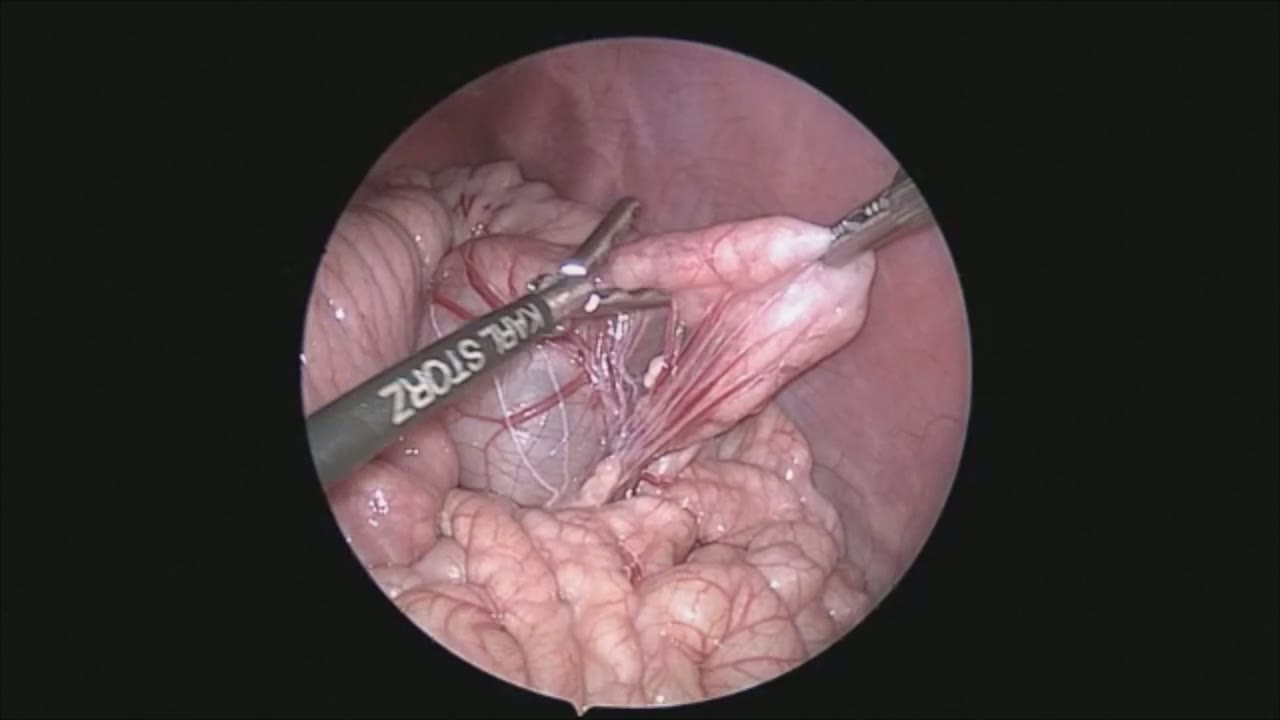
sealer demo
Dr. Steve Rothenberg · 3 min · Published May 2026
Only a few other public items share this expert — go deeper there →
Video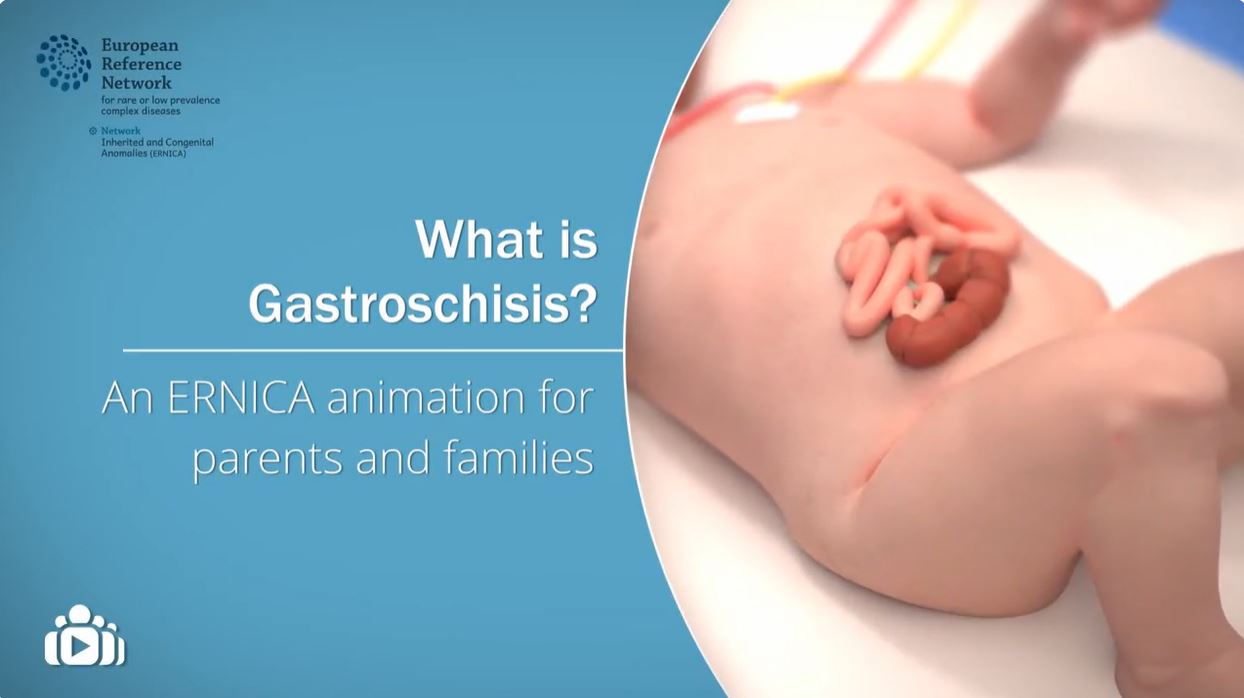
What is Gastroschisis? An ERNICA animation for parents and families
2 min · Published Dec 2023
Video
What is Omphalocele? An ERNICA animation for parents and families
3 min · Published Dec 2023
Video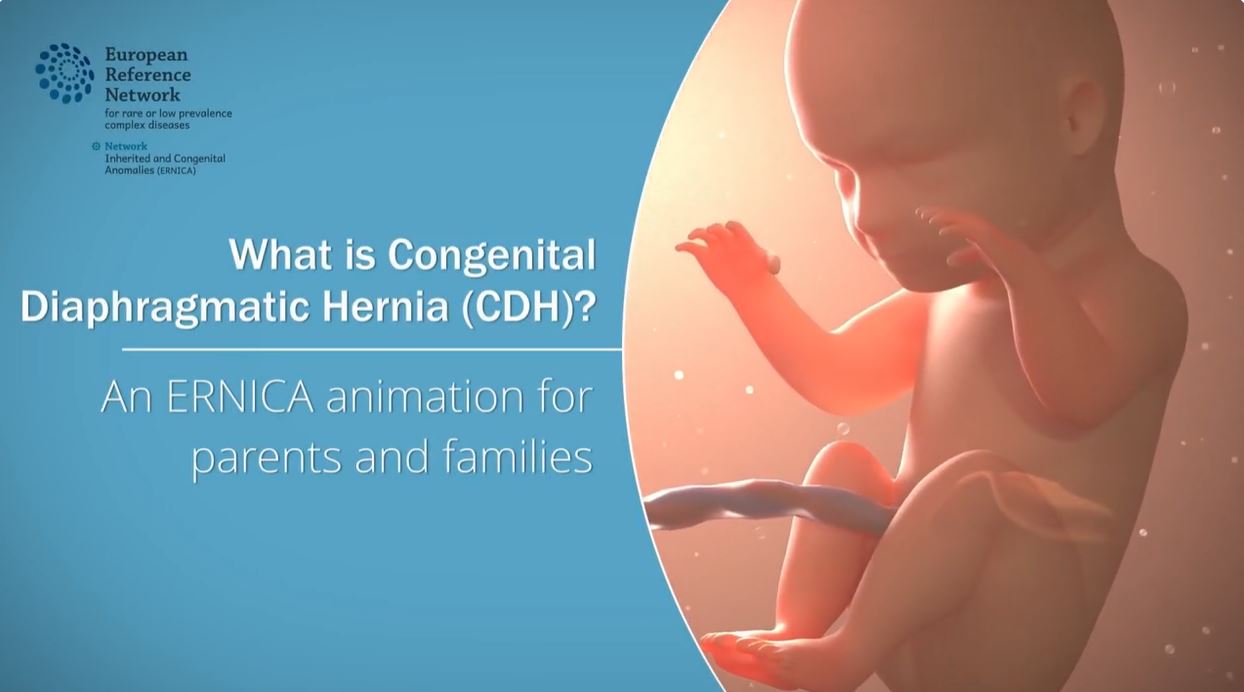
What is Congenital Diaphragmatic Hernia (CDH)? An ERNICA animation for parents and families
3 min · Published Dec 2023
Video
What is small bowel atresia?: An ERNICA animation for parents and families
4 min · Published Dec 2023
Video
Hirschsprung-associated enterocolitis in children: An ERNICA animation for parents and families
3 min · Published Dec 2023
Video
Surgical treatment for Hirschsprung’s Disease: An ERNICA animation for parents and families
3 min · Published Dec 2023
What the experts said
If adolescents are left to survive on their own without proper transition, they will not adhere to care in adult hospitals and their health outcomes will diminish, with many not surviving.
Poor health from inadequate transition leads to greater expenses, with emergency admissions and unplanned procedures being more expensive than planned care.
Patients should not be transferred during clinically unstable periods requiring frequent inpatient care, treatment regime changes, or new surgical procedures.
In many countries the age limit from pediatric to adult care has risen and is now most often 18 years, though in Finland it remains 16 years.
When 16-year-olds are transferred to adult care, adult professionals are mostly not familiar with legal requirements for child protection notifications, and the rights of the child are not properly addressed.
Cognitive skills develop logically during adolescence, but psychosocial skills take a dip during teenage years, with the timing and depth of this dip being very individual.
Illness, nutrition, and stress affect adolescent development and may lead to the developmental conflict being greatest right at the time when young people should leave pediatric care.
The last bits of the human brain to develop are in the frontal lobe, where planning for the future, problem-solving, and emotional and behavioral control are learned.
Emotional centers in the adolescent brain develop earlier than frontal lobe control centers, creating a situation where young people have strong emotions but underdeveloped impulse control.
Medical follow-up can resemble the relationship young people have with their parents, and as they struggle for autonomy they may rebel against medical care.
In many studies, quality of life has been better when judged by young people themselves than when judged by their parents or carers.
Transfer is a simple moving of paper, while transition is a prepared process with someone on the other side saying welcome and continuing the care relationship.
Patients should be met alone from the age of 12, at least for part of the appointment.
Treatment advice should be given directly to the patient even if the parent is in the room.
There is growing evidence that single days of coaching for transition have very low or no impact.
There is growing evidence that joint consultations with pediatric and adult teams both present builds trust and may lead to better outcomes.
In adult healthcare during the first couple of years after transition, consultations should be more frequent and longer than for other adult patients because trust takes time.
Young people need one named contact person between consultations, though most times they don't call, providing a sense of security.
There is strong evidence that continuity of care (management continuity, information continuity, and relationship continuity) leads to better outcomes in transition.
The process of transition cannot be on the shoulders of one single person but must be a holistic approach in the whole hospital so it continues when individuals retire or fall ill.