

From
EUPSA/ERNICA
Care and Nutrition in Esophageal Atresia: An ERNICA animation for parents and families
Chapter 1 of 1 · Patient & Family Education
EA care overview
Care and Nutrition Management in Esophageal Atresia
Expert statements on this page
No expert statements were drawn from this page.
Host summaries · secondary, not cited in answers
Educational content from recorded physician discussions — not medical advice. Talk to your (or your child's) care team about your situation.
Video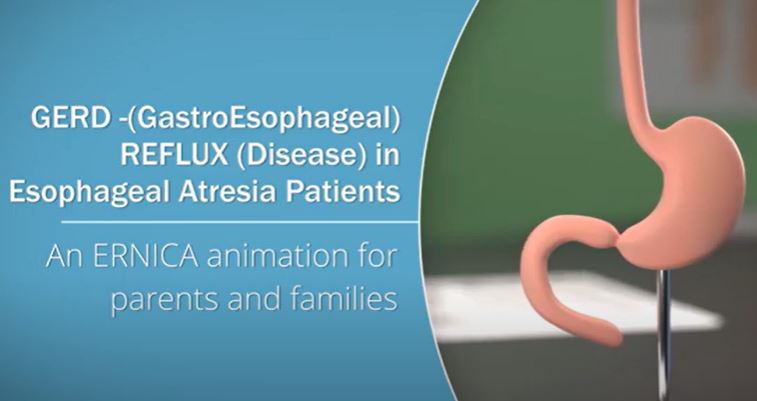
GERD - (GastroEsophageal) REFLUX (Disease) in Esophageal Atresia Patients: An ERNICA animation
4 min · Published Nov 2023
Podcast
Journal of Pediatric Surgery Article Review: 2nd Quarter (Apr-Jun) 2025
16 min · Published Aug 2025
Podcast
Journal of Pediatric Surgery Article Review: 1st Quarter (Jan-Mar) 2025
16 min · Published May 2025
Video
Finnish Pediatric Surgery Hub - From Centralization to Collective Learning and Sharing of Expertise
48 s · Published Feb 2025
Video
Prophylactic Acid-suppression Medication to Prevent Anastomotic Strictures After Oesophageal Atresia Surgery
Published Dec 2023
Video
Esophageal Surveillance Practices in Esophageal Atresia Patients
Published Jul 2023
Video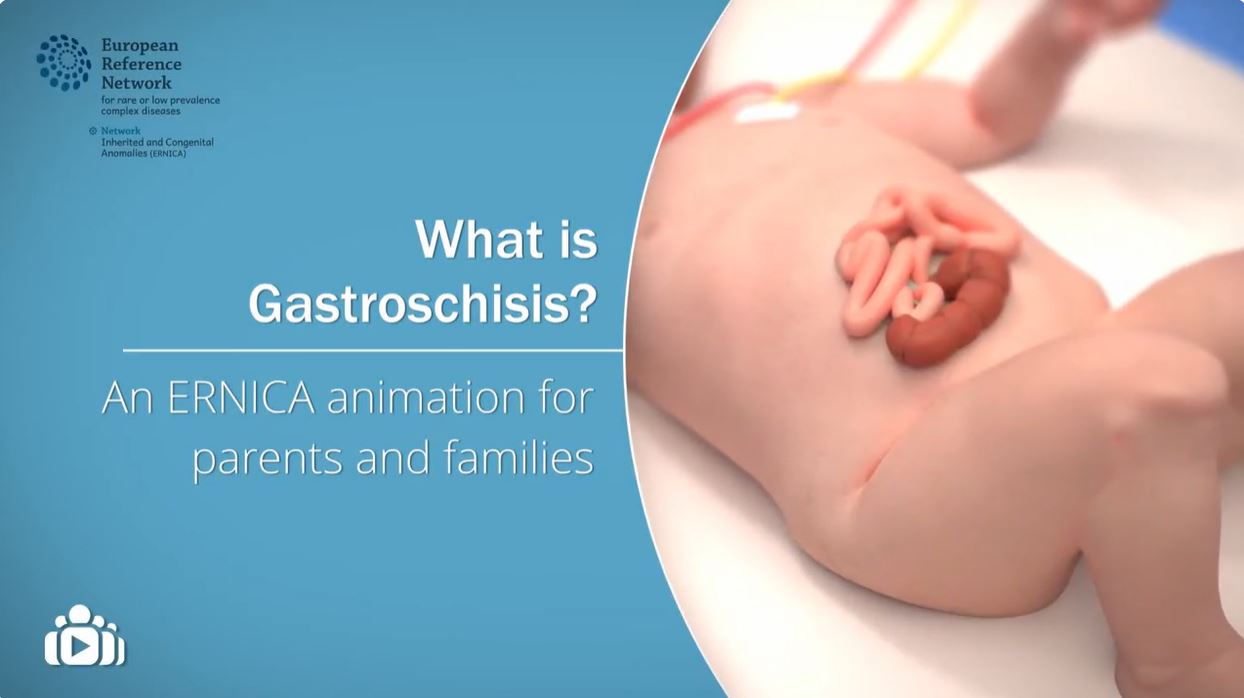
What is Gastroschisis? An ERNICA animation for parents and families
2 min · Published Dec 2023
Video
What is Omphalocele? An ERNICA animation for parents and families
3 min · Published Dec 2023
Video
What is Congenital Diaphragmatic Hernia (CDH)? An ERNICA animation for parents and families
3 min · Published Dec 2023
Video
What is small bowel atresia?: An ERNICA animation for parents and families
4 min · Published Dec 2023
Video
Hirschsprung-associated enterocolitis in children: An ERNICA animation for parents and families
3 min · Published Dec 2023
Video
Surgical treatment for Hirschsprung’s Disease: An ERNICA animation for parents and families
3 min · Published Dec 2023
What the experts said
Esophageal atresia is a rare birth defect where a part of the esophagus, the tube connecting the mouth to the stomach, is missing.
All babies born with esophageal atresia should be treated at a specialist center with appropriate expertise and a dedicated multidisciplinary team.
Because saliva, secretions and food cannot flow into the stomach, babies with esophageal atresia are at risk of aspiration, which is fluid entering the lungs.
A replogle tube is placed through the mouth or nose into the esophagus to suck out all fluids, preventing leakage into the airway and thus preventing aspiration.
The replogle tube enables giving the baby pleasant oral experiences and developing swallowing skills.
With the replogle tube in place, parents may be able to give the baby a small taste of breast milk before esophageal repair using a pacifier or dummy.
In rare circumstances when the baby needs a delayed repair, sham feeding may be helpful.
In sham feeding, a baby's feed is provided orally but sucked out by the replogle tube, while the baby receives food directly into the stomach through a gastrostomy tube.
Sham feeding can help the baby associate oral feeding with milk entering the stomach.
A lactation consultant or support worker will support parents to bond with the baby, discuss feeding options and support with breastfeeding.
Peer support can be accessed through patient and family support groups.
A specialized swallowing therapist can assess the baby's swallowing and feeding, and if necessary, offer ongoing specific therapy and advice.
A nutrition therapist will ensure that the baby meets all nutritional requirements to support optimal growth.
For the first year after surgery, an outpatient review including a nutritional assessment is recommended to take place every 3 months.
From the first year onward, nutritional assessments are recommended to occur every 2 years until transition to adult care.
Lifelong follow up is now recommended for those born with esophageal atresia.