


Chapter 1 of 5 · Fundamentals
Introduction
Introduction
Expert statements on this page
No expert statements were drawn from this page.
Host summaries · secondary, not cited in answers
Educational content from recorded physician discussions — not medical advice. Talk to your (or your child's) care team about your situation.
Video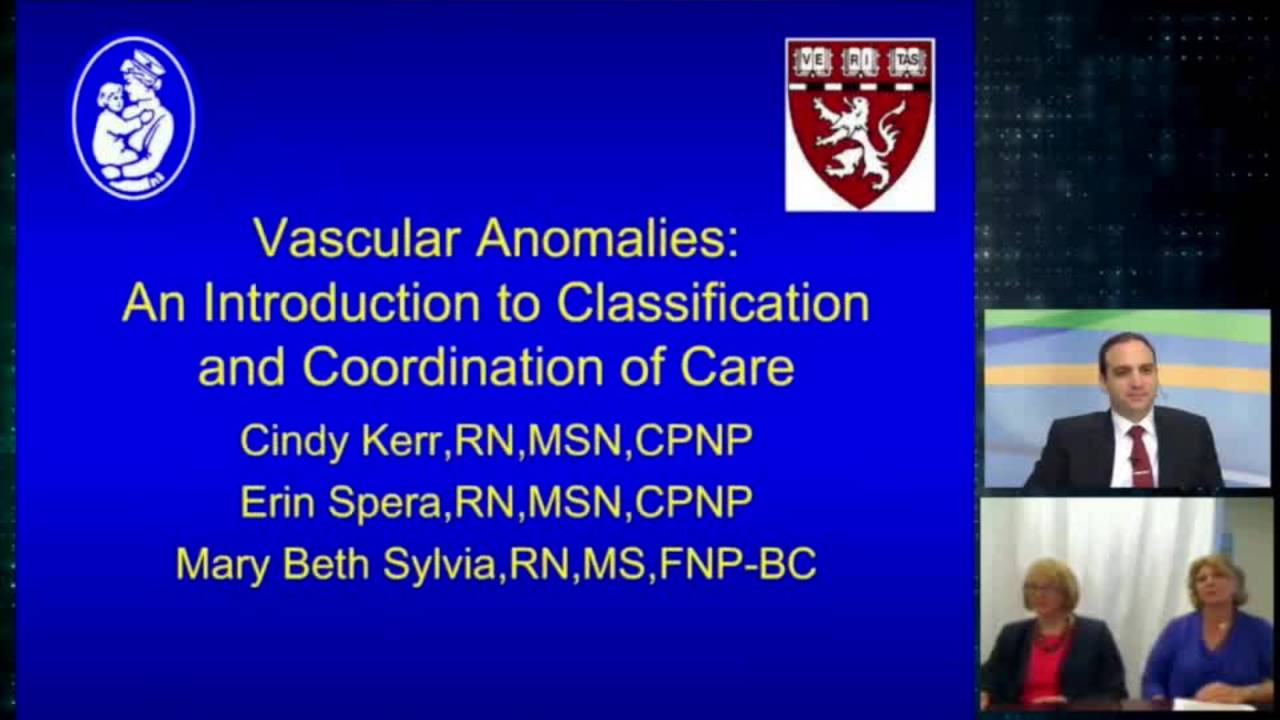
Vascular Anomalies: Advanced Practice Providers
44 min · Published Feb 2014
Video
Update Course Rewind 2025: Neck Pathologies - The Diagnostic Challenge
3 min · Published Jul 2026
Podcast
Lymphatic Anomalies
43 min · Published Mar 2018
Video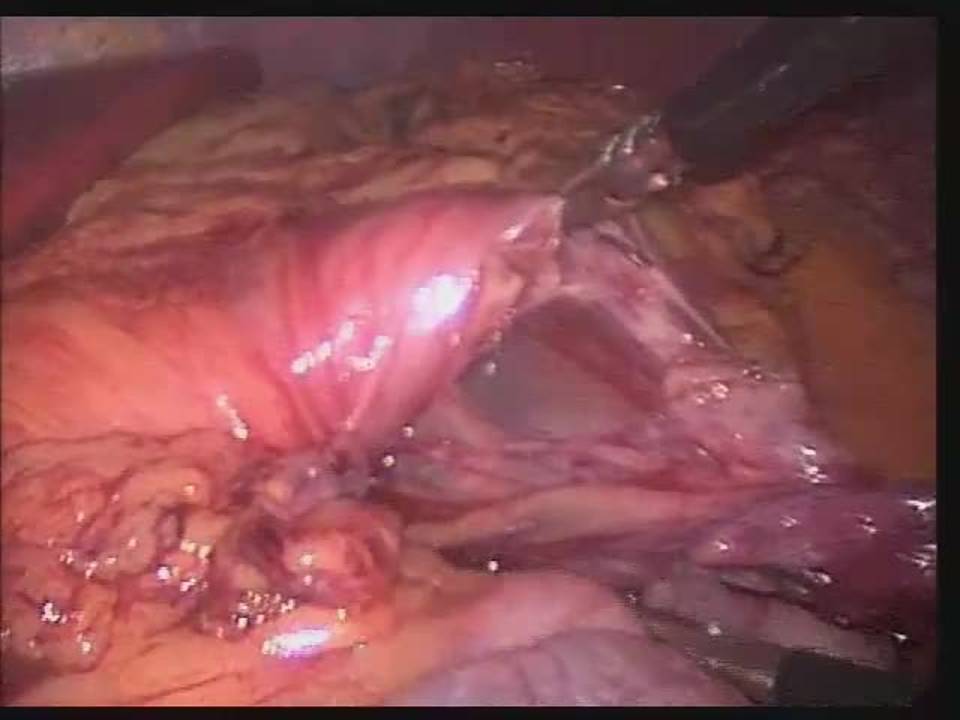
Laparoscopic Excision of an Abdominal Lymphatic Malformation
4 min · Published Feb 2020
Video
Intestinal Atresia Types Explained: Grossfeld Classification for Pediatric Surgery
1 min · Published Sep 2026
Video
Derivation and validation of the Pediatric Community-Acquired Pneumonia Severity (PedCAPS) score: A prospective cohort study
50 s · Published Sep 2026
Video
FETO for Late-Diagnosed Severe Congenital Diaphragmatic Hernia (CDH) at Cincinnati Children's with Dr. Beth Rymeski
4 min · Published Sep 2026
Video
Severe Congenital Diaphragmatic Hernia (CDH) Case: FETO Management & Unexpected Findings with Dr. Beth Rymeski
3 min · Published Sep 2026
Video
Fetoscopic Endoluminal Tracheal Occlusion (FETO) Procedure: Step-by-Step Guide with Dr. Beth Rymeski
4 min · Published Sep 2026
Video
Choledochal Cyst Types Explained: Pediatric Surgery Fundamentals
1 min · Published Sep 2026
What the experts said
Wertheim et al. performed a systematic review of management and outcomes of pediatric lymphatic malformations, published by the APSA Outcomes and Evidence-Based Practice Committee.
The systematic review focused on 200 articles published from 1990 to 2021.
Sclerotherapy had a success rate of over 90% for macrocystic lymphatic malformation lesions.
Sirolimus is helpful for extensive lymphatic malformations that are refractory to surgery and/or sclerotherapy.
Sirolimus is used as an initial treatment for extensive lymphatic malformations that compromise the airway.
Small asymptomatic lymphatic malformation lesions can be observed.
Large symptomatic lymphatic malformation lesions need to be divided into macrocystic, microcystic, or mixed lesions for treatment planning.
For localized lymphatic malformation lesions, surgery or sclerotherapy is effective.
Mo et al. performed a retrospective cohort analysis of the NSQIP pediatric database looking at all pediatric patients who underwent G-tube placement in 2023.
G-tube placement made up 5.3% of all cases submitted to NSQIP pediatric.
Upper GI studies were obtained in 45% of G-tube cases with significant interhospital variability.
In the first 30 days postoperatively after G-tube placement, 14% of patients went to the ED.
In the first 30 days postoperatively after G-tube placement, 5.2% of patients experienced G-tube dislodgement.
There is high postoperative G-tube related morbidity as well as high variability in preoperative upper GI use, which can both serve as targets for future quality improvement projects.
Colin et al. conducted a prospective randomized study in Sweden comparing testicular volume at puberty in patients with undescended testes that had spontaneous descent versus surgery at 9 months or at 3 years of age.
The study included 22 patients with spontaneous descent, 37 with surgery at 9 months, and 48 with surgery at three years of age.
There was a significant difference in testicular volume being higher in spontaneous descent versus the 9 month surgery group.
Testicular volume was significantly higher in those who were operated at 9 months versus those who were operated at three years of age.
The earlier orchiopexy is performed, the better the testicular volume outcome, as long as patients are given enough time for spontaneous descent.