


From
StayCurrentMD
Journal of Pediatric Surgery Article Review: 4th Quarter (Oct-Dec) 2024
With Dr. Tony Escobar & Dr. Adi Fahy & Dr. Mikko Pakarinen & Dr. Anna Flirt van Gaal · hosted by Dr. Em Gootee
Chapter 1 of 4 · Evidence & Research
Locum tenens guidelines
Locum Tenens in Pediatric Surgery: APSA Position Statement and Practice Guidelines
Expert statements on this page
No expert statements were drawn from this page.
Host summaries · secondary, not cited in answers
Educational content from recorded physician discussions — not medical advice. Talk to your (or your child's) care team about your situation.
Video
QUAD #1: Cervical Tracheopexy with Dr. Alessandro de Alarcon
Dr. Todd Ponsky · 5 min · Published Dec 2023
Video
QUAD #2 Thoracoscopic Tracheopexy with Dr. Aaron Garrison
CCHMC Pediatric Surgery · 7 min · Published Jan 2024
Video
QUAD #26 - Use of Ultrashort Echo-Time MRI to Measure Tracheomalacia in Neonates with Esophageal Atresia with Dr. Douglas von Allmen
CCHMC Pediatric Surgery · 5 min · Published Feb 2025
Video
Posterior Tracheopexy during Primary Esophageal Atresia Repair
Published Sep 2018
Video
Esophageal Atresia/Tracheoesophageal Fistula Bronchoscopy and Surgical Technique
Dr. Todd Ponsky · 16 min · Published Nov 2021
Video
Quick Literature Updates Ep 27
4 min · Published Feb 2026
Video
Intestinal Atresia Types Explained: Grossfeld Classification for Pediatric Surgery
1 min · Published Sep 2026
Video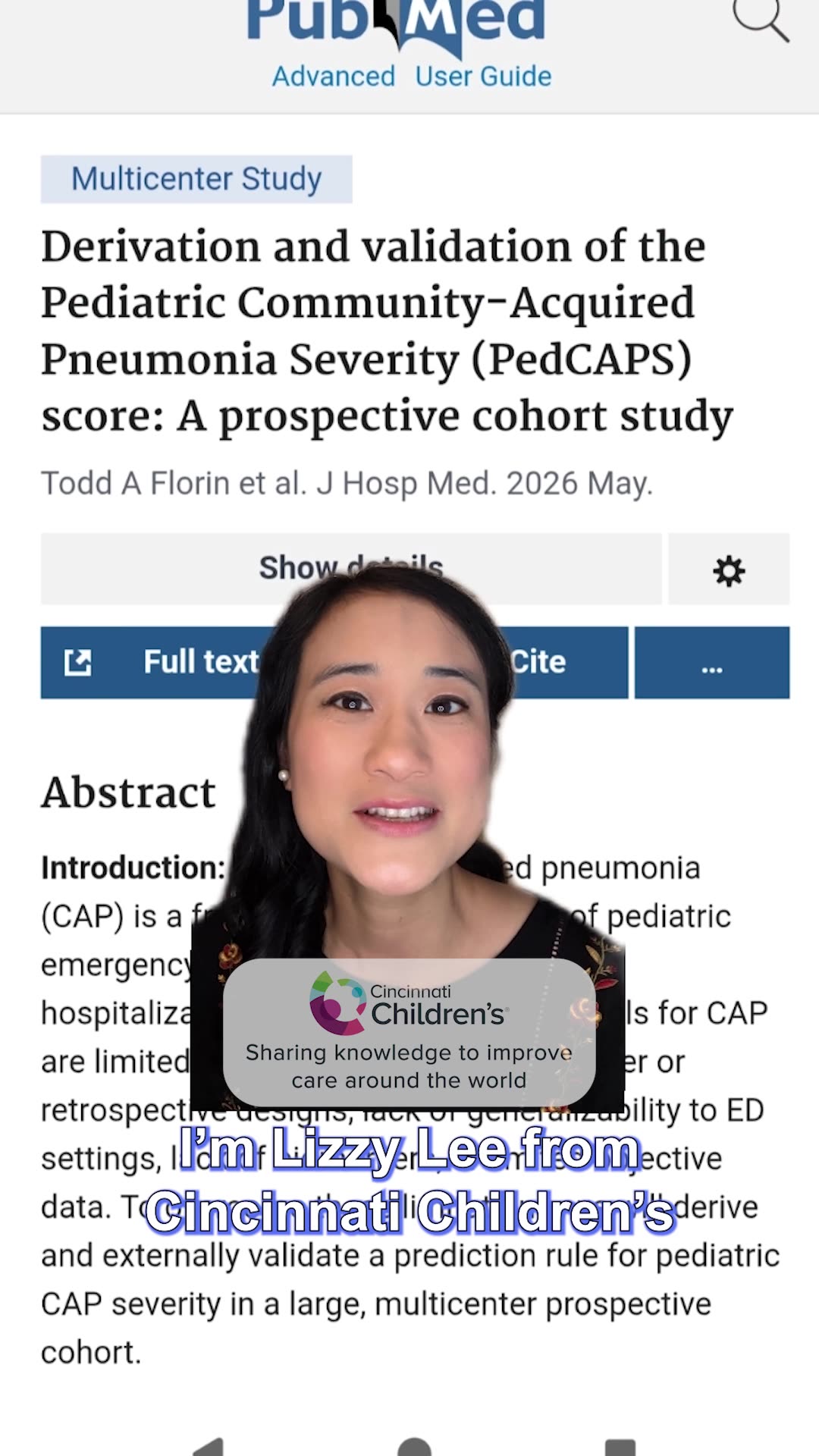
Derivation and validation of the Pediatric Community-Acquired Pneumonia Severity (PedCAPS) score: A prospective cohort study
50 s · Published Sep 2026
Video
FETO for Late-Diagnosed Severe Congenital Diaphragmatic Hernia (CDH) at Cincinnati Children's with Dr. Beth Rymeski
4 min · Published Sep 2026
Video
Severe Congenital Diaphragmatic Hernia (CDH) Case: FETO Management & Unexpected Findings with Dr. Beth Rymeski
3 min · Published Sep 2026
Video
Fetoscopic Endoluminal Tracheal Occlusion (FETO) Procedure: Step-by-Step Guide with Dr. Beth Rymeski
4 min · Published Sep 2026
Video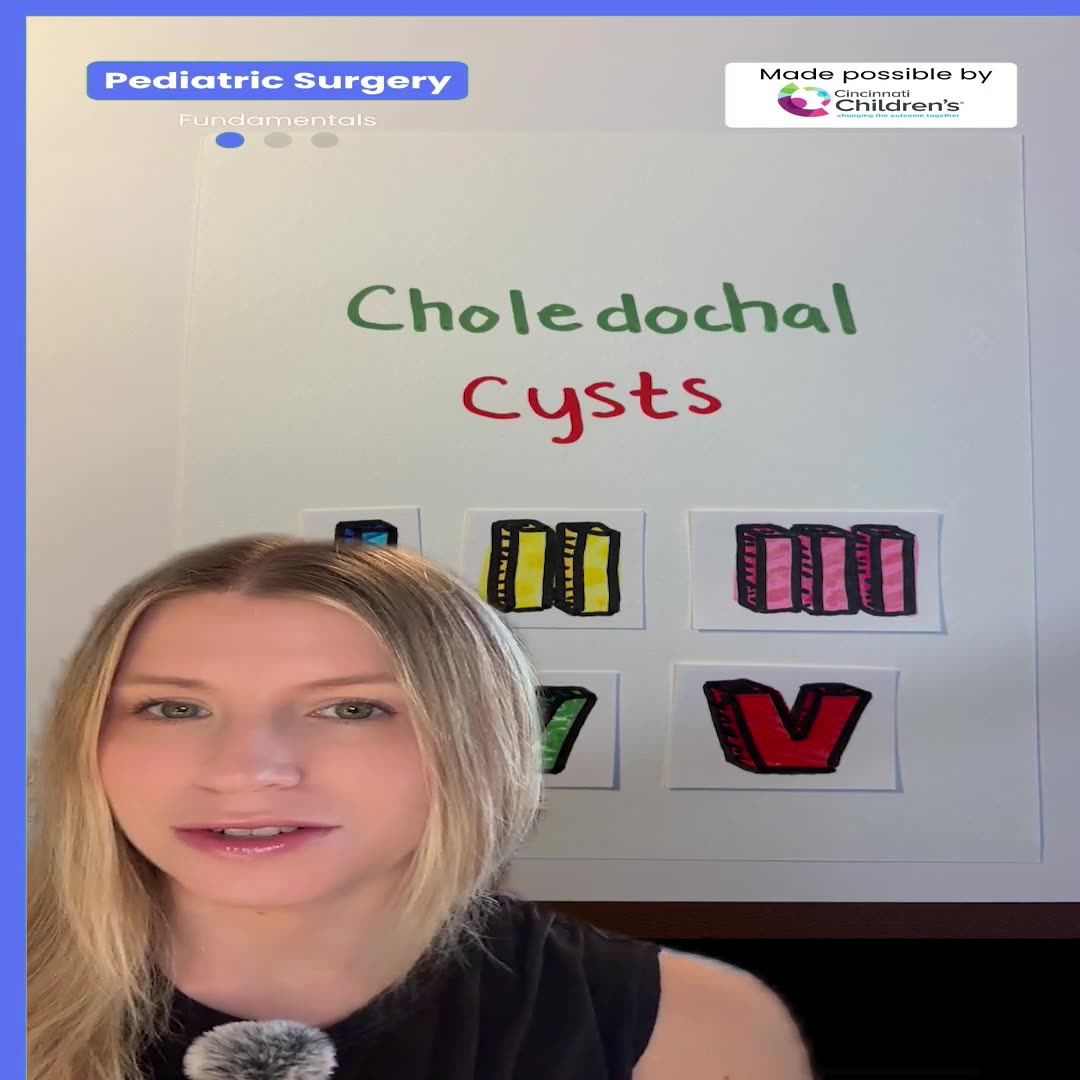
Choledochal Cyst Types Explained: Pediatric Surgery Fundamentals
1 min · Published Sep 2026
What the experts said
There was no regulation or recommendations for practicing pediatric surgeons on how to engage with the locum tenens market prior to APSA's guidelines
Locum tenens agencies facilitate attainment of state medical license, privileges and credentials at hiring institutions, and negotiate surgeon compensation including travel and lodging
APSA is developing a breakout group to provide ongoing support to pediatric surgeons working in locum tenens roles
Tracheomalacia in esophageal atresia patients causes respiratory issues including stridor, wheezing, harsh barking cough, and lower respiratory infections
In up to a third of esophageal atresia cases, tracheomalacia can lead to recurrent respiratory insufficiency and severe respiratory events
There is no consensus on tracheal assessment during diagnosis of esophageal atresia
In the Dutch center, patients undergo preoperative tracheal bronchoscopy as standard of care, but postoperative bronchoscopy is performed only when clinically indicated
The 50% sensitivity finding suggests it might be advisable to avoid primary therapeutic intervention at time of esophageal atresia repair and only treat patients who develop symptoms
A prospective study with standardized assessments and larger patient groups is needed to clarify the role of bronchoscopy in tracheomalacia assessment
During the pandemic, limited hospital beds led to consideration of same-day discharge for gastrostomy patients to optimize resource use
NSQIP pediatric registry includes more than 150 participating hospitals across 44 states and 7 countries
The study identified approximately 6000 pediatric patients who underwent elective gastrostomy tube placement from 2017 to 2021 in the NSQIP database
About 5% of gastrostomy patients were discharged the same day as surgery
Same-day discharge rates increased from 2.7% in 2017 to 6.3% in 2021, representing a doubling of the rate
There were no differences in readmission or reoperation rates between same-day discharge and 1-2 day discharge cohorts
Implementing same-day discharge requires major process changes including advance family education, nutrition partnership for feeding plans, and setup of pumps and supplies
From every point of view, one less day in hospital is a win for the patient, family, and hospital
The Dutch study evaluated close to 80 esophageal atresia patients comparing preoperative to postoperative bronchoscopy findings
Definite tracheomalacia was defined as almost complete or complete collapse of the airway on bronchoscopy
Suspected tracheomalacia was defined based on symptoms including barking cough and upper airway infections
The sensitivity and specificity of preoperative tracheal bronchoscopy for predicting tracheomalacia outcomes were around 50%
Many centers typically keep children in hospital for one to two days after elective laparoscopic gastrostomy tube placement to allow time for family education, feeding plan setup, and tolerance verification
The study excluded patients who came to hospital from emergency room or were transferred from other facilities, as well as those who remained hospitalized more than 2 days