


From
Live Event Content
John Carey, MD - 2024 Fetal Care Center Navigating Perinatal Care for Trisomy 13 & 18
With Dr. John Carey · hosted by Dr. Em Gootee
Chapter 1 of 10 · Fundamentals
Speaker introduction
Introduction of Dr. John Carey
Expert statements on this page
No expert statements were drawn from this page.
Host summaries · secondary, not cited in answers
Educational content from recorded physician discussions — not medical advice. Talk to your (or your child's) care team about your situation.
Video
Introduction - 2024 Fetal Care Center Navigating Perinatal Care for Trisomy 13 & 18
2 min · Published Dec 2024
Video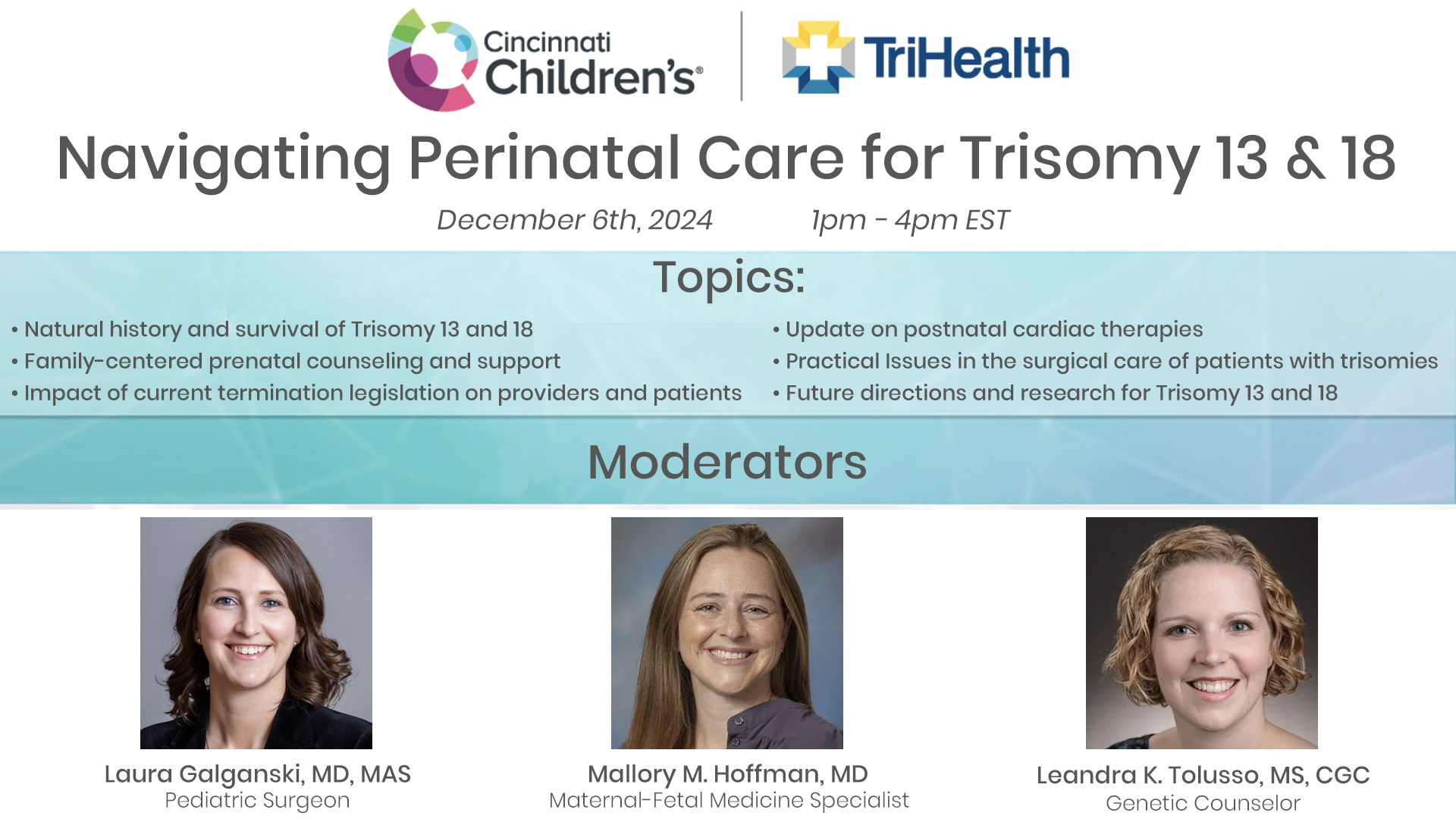
Dan Swarr, MD - 2024 Fetal Care Center Navigating Perinatal Care for Trisomy 13 & 18
26 min · Published Dec 2024
Video
Natasha Henner, MD - 2024 Fetal Care Center Navigating Perinatal Care for Trisomy 13 & 18
33 min · Published Dec 2024
Video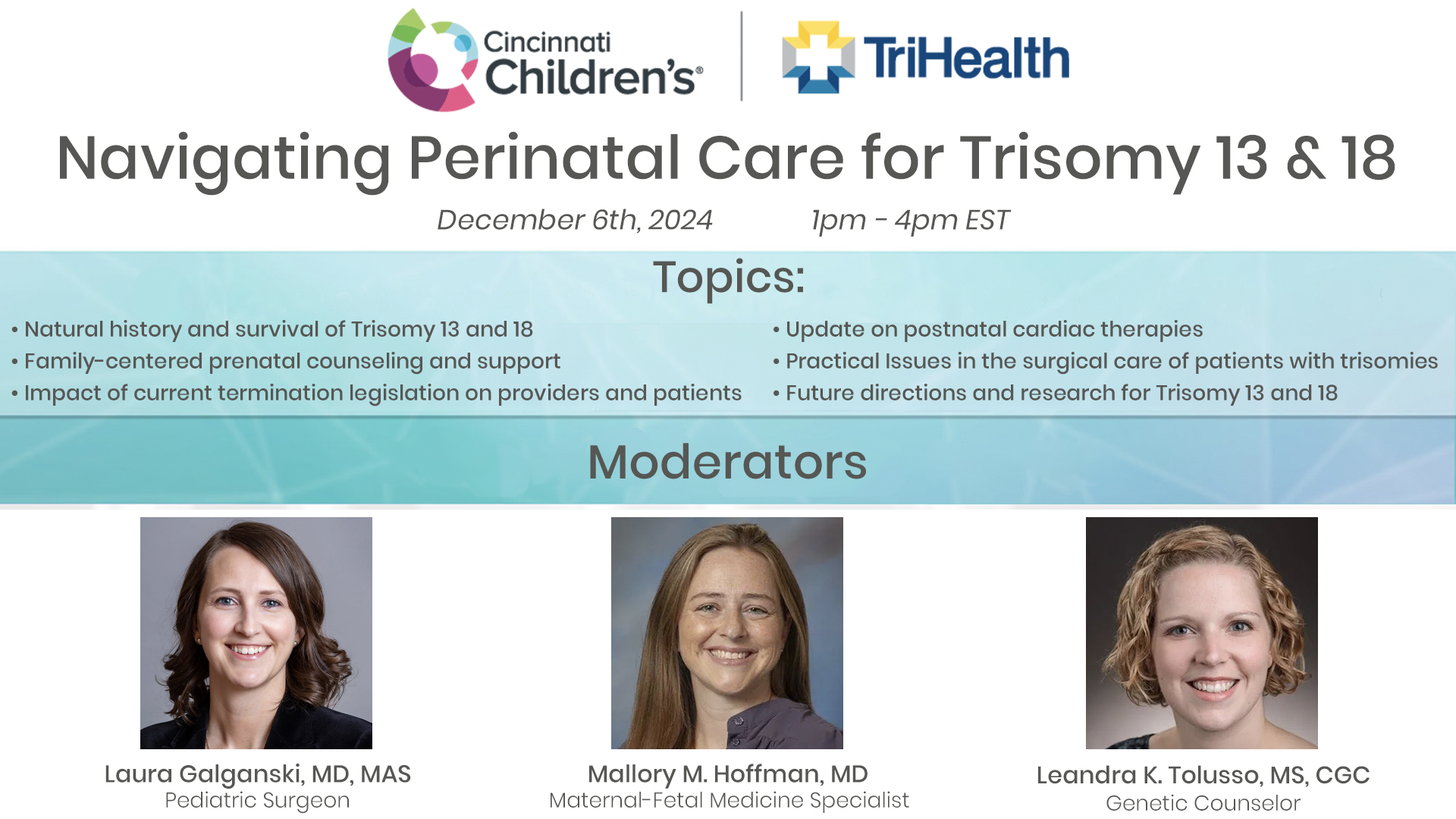
Mallory Hoffman, MD - 2024 Fetal Care Center Navigating Perinatal Care for Trisomy 13 & 18
29 min · Published Dec 2024
Video
Laura Glaganski, MD & Jagroop (Rupi) Parikh - 2024 Fetal Care Center Navigating Perinatal Care for Trisomy 13 & 18
24 min · Published Dec 2024
Video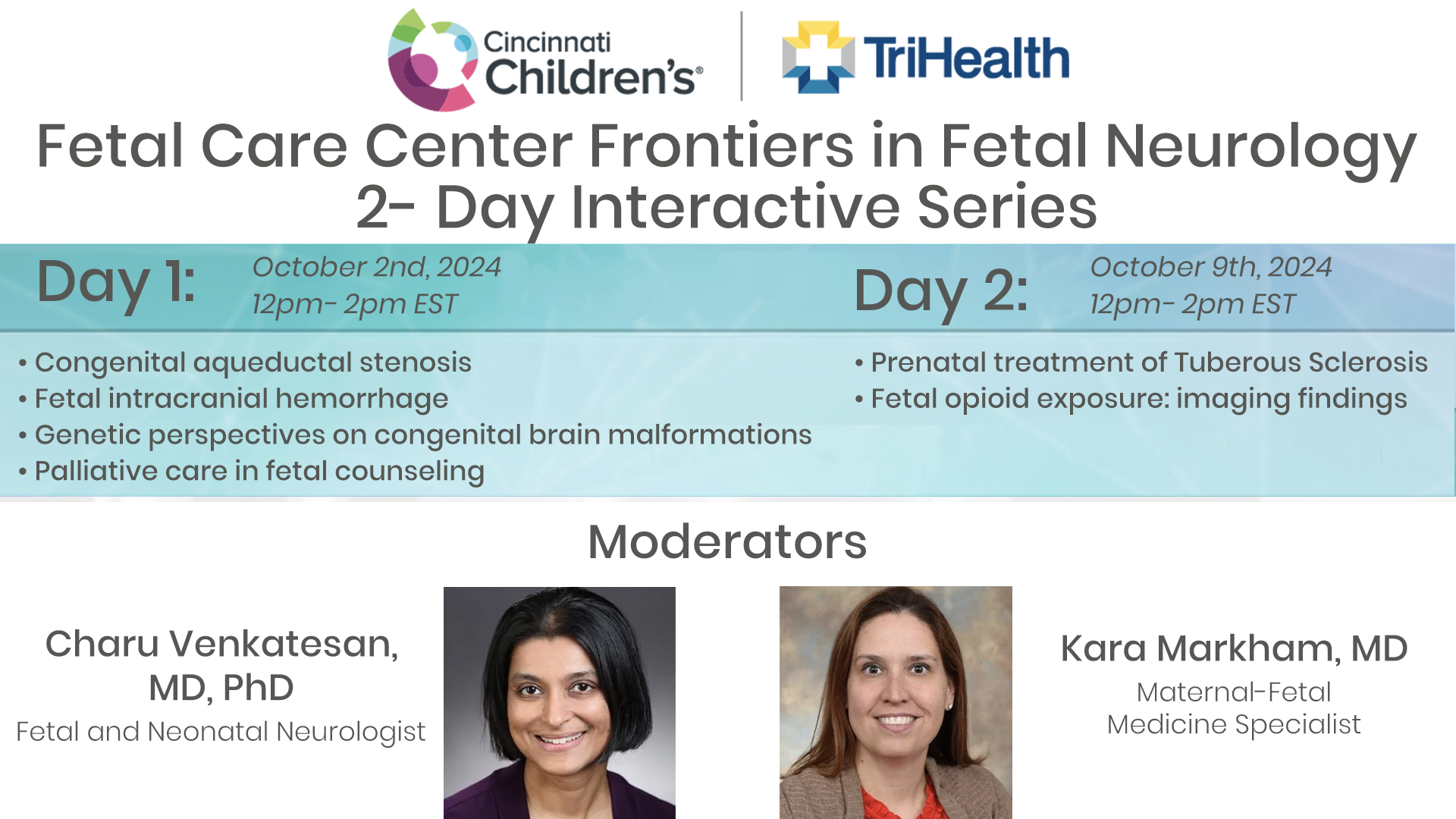
2024 Fetal Care Center Frontiers in Fetal Neurology Day 1 - Hour 1 Q&A
9 min · Published Oct 2024
Only a few other public items share this expert — go deeper there →
Video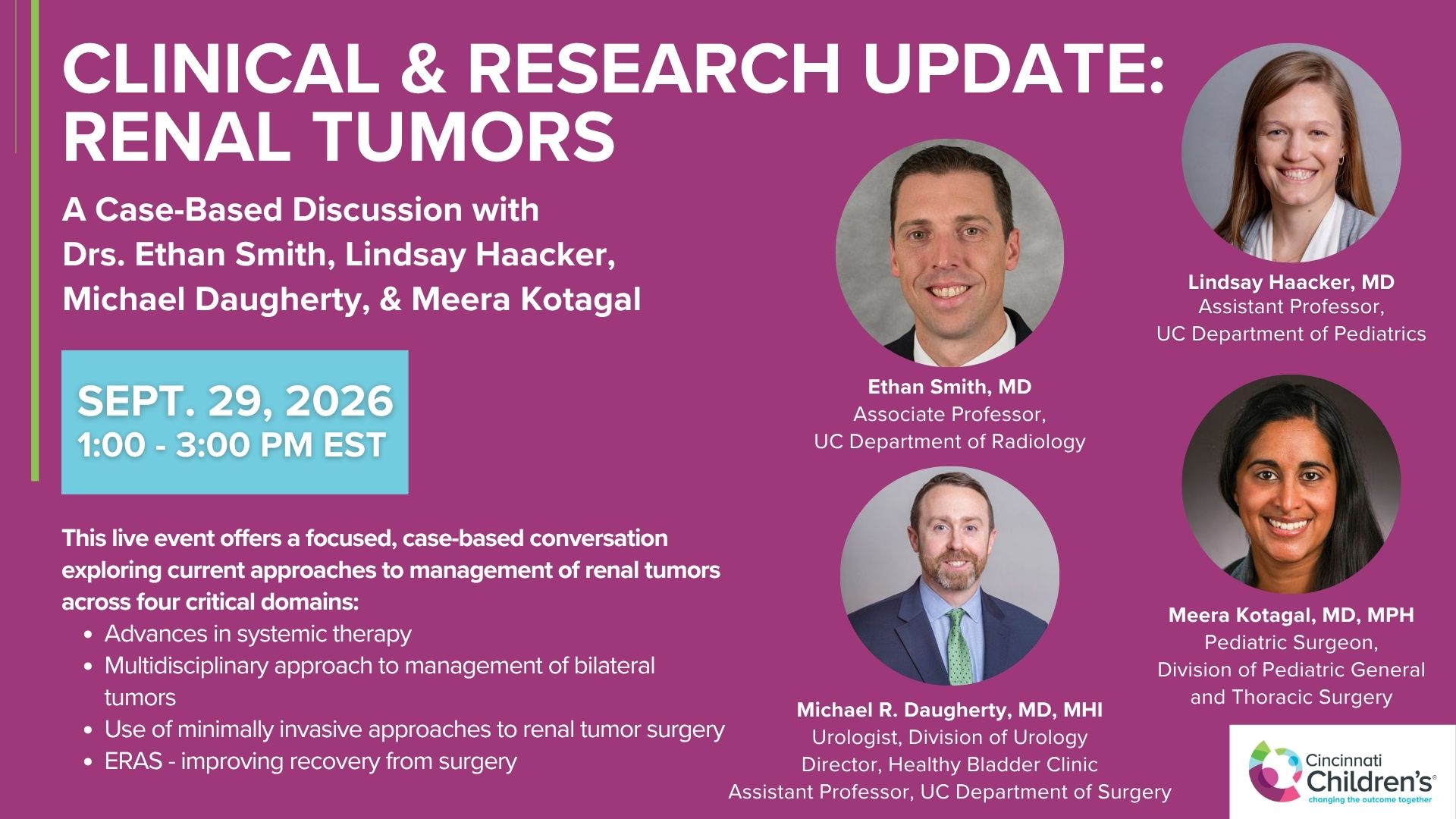
Clinical & Research Update: Renal Tumors with Drs. Ethan Smith, Lindsay Haacker, Michael Daugherty, and Meera Kotagal
71 min · Published Sep 2026
Video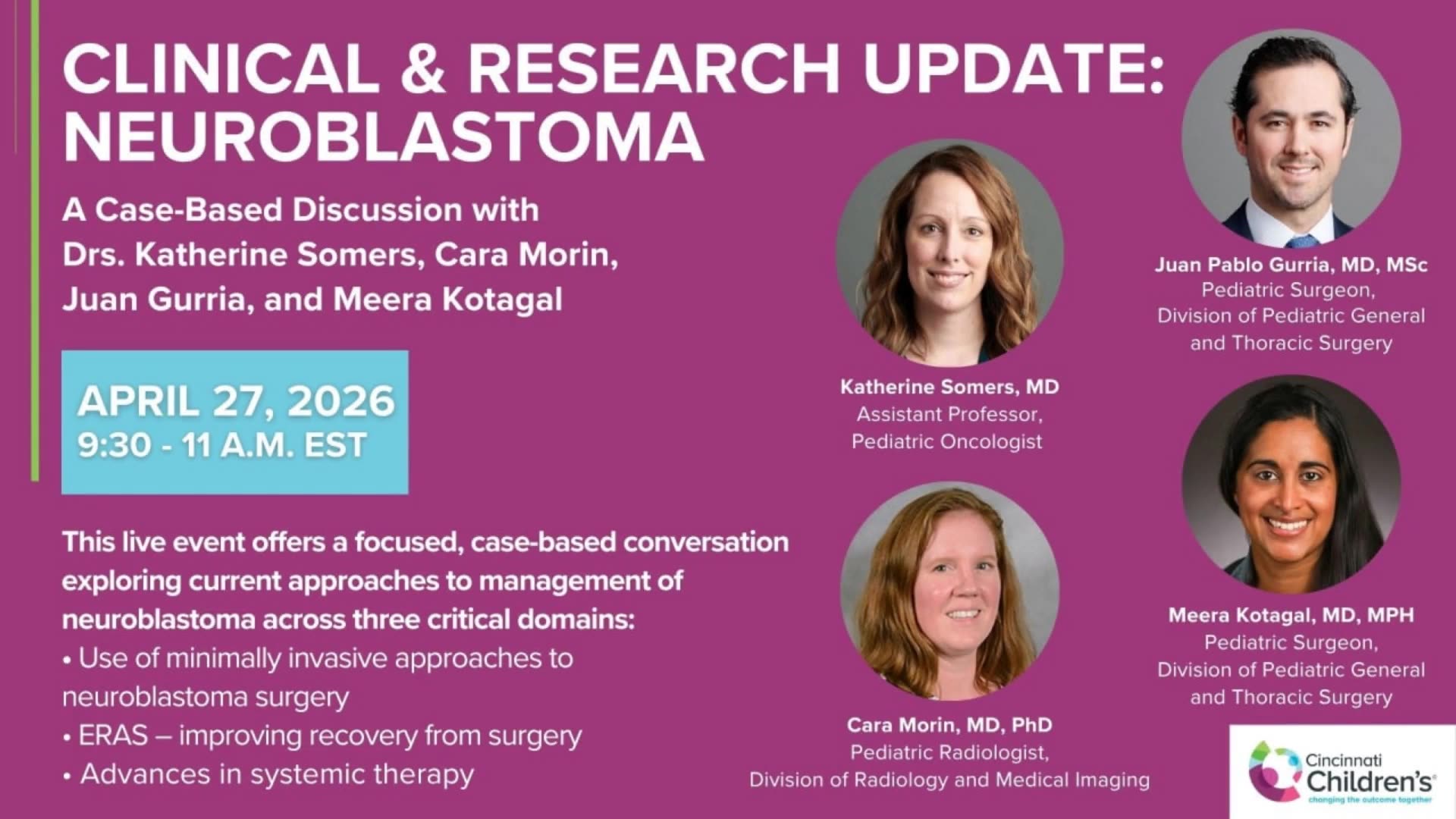
Clinical & Research Update: Neuroblastoma with Drs. Katherine Somers, Cara Morin, Juan Gurria, and Meera Kotagal
67 min · Published Sep 2026
Video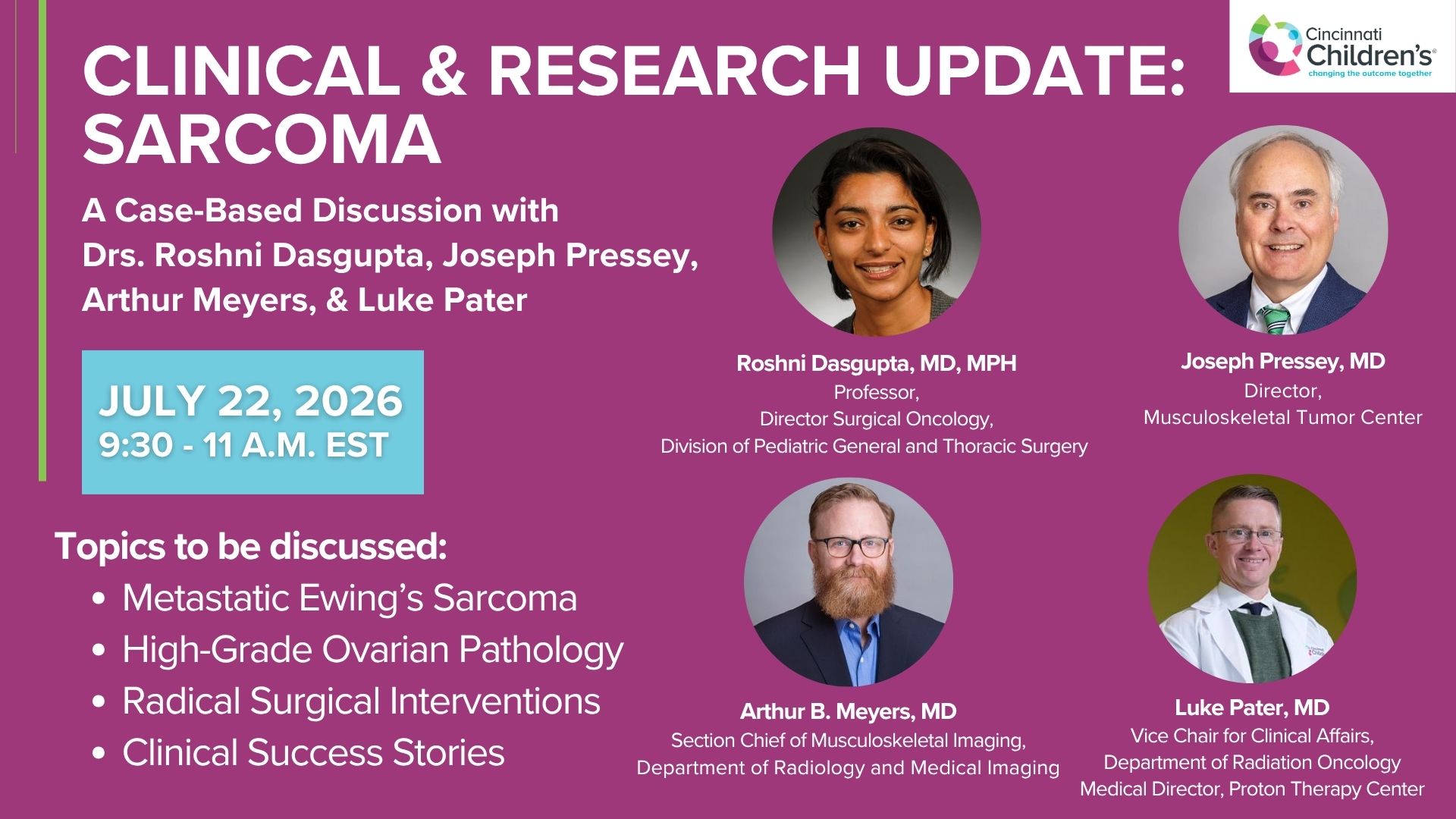
Clinical & Research Update: Sarcoma w/ Drs. Roshni Dasgupta, Joseph Pressey, Arthur Meyer, Luke Pater
66 min · Published Sep 2026
Video
2026 Laparoscopic Pediatric Hernia Repair
123 min · Published Jun 2026
Video
Beyond the Spectrum: Diagnosis, Myths & Management - Caitlin Couch & Leslie Lopez - APP Conference 2026
50 min · Published May 2026
Video
Dysautonomia: Navigating the Journey - Martha Willis - APP Conference 2026
55 min · Published May 2026
What the experts said
In the TRIE study polling of neonatologists representing over 40 NICUs, almost 70% felt trisomy 13/18 are compatible with life and providing interventions prolonged survival, but about a third felt children could not live a meaningful life.
Carey and colleagues polled 46 families of children with trisomy 18 at a SOFT conference about their stories and published findings in American Journal of Medical Genetics.
SOFT has a surgery registry with hundreds of children recorded who have had various surgeries, including 201 families with cardiac surgery for trisomy 18 and almost 40 for trisomy 13, most performed in last 12 years.
In a study polling families with trisomy 13 from a Facebook database, 3 individuals walked unassisted, usually after age 6.
The TRIE study is a prospective longitudinal multi-NICU study investigating survival outcomes in trisomy 13/18, obtaining parent perspective through qualitative research, examining NICU experience and first year of life.
The TRIE study has 20 centers committed to participate (all but 2 from neonatal Research Network), which would represent 20% of all live births with trisomy 13/18 in America, including those choosing comfort care or intervention.
Tomiki Kosho published a 2006 paper in American Journal of Medical Genetics where he offered 24 families in Japan full intervention for trisomy 18 (though only ductus ligation was available), all 24 chose full intervention, 22/24 survived first week, and 6/24 survived first year.
In a 2008 Pediatrics paper, McGraw and Perlman polled New York neonatologists with a case where over half indicated they would not resuscitate a baby with trisomy 18 and VSD in the delivery room.
A 2016 American Journal of Medical Genetics survey of neonatologists showed 60% said active treatment of fetus/newborn with trisomy 18 is futile, 45% said trisomy 18 is incompatible with life, and over 50% said infant should not be resuscitated.
Janvier's paper in Pediatrics polling social networks found over 400 families recognized challenges but saw joy and felt there was good quality of life in children with trisomy 13/18.
Population studies as of 2014 showed about 50% or higher of children with trisomy 13/18 died in first week of life, and one-year survival ranged from 0-2%, averaging about 5% (1 in 20 surviving first year).
Meyer's multi-state study showed 1-year survival of 13% for trisomy 18 and 11% for trisomy 13, a marked contrast to earlier population studies.
The Journal of Pediatrics study by Cortezo, Leandra, and Dan Swar (population retrospective cohort) demonstrated that intervention does increase survival in trisomy 13/18.
Ben Wilfond's 2019 paper in Hastings proposed a bioethical standard based on the moral value of the caring relationship between parent and child as an organizing principle for decision-making.
The AATS (American Association of Thoracic Surgeons) recommendations state that decisions should not be based solely on presence of trisomy 13/18, but instead made case-by-case considering severity of heart disease and presence of other anomalies.
Kosho's American Journal of Medical Genetics paper appendix contains more than 50 paragraphs or sentences about parents and their perspectives on caring for children with trisomy 13/18.
In a previous study only about a third of cardiologists discussed cardiac surgery prenatally for trisomy 13/18, but in Kosov's recent study over 60% did (compared to almost 100% for trisomy 21).
Current data show 6-19% of children with trisomy 13/18 survive the first year, and intensive intervention including cardiac surgery improves one-year survival. Greater than 5-year survival is greater than 10% of those born.