


From
Live Event Content
Janey Pratt, MD and David Lanning, MD - 2024 Pediatric Bariatric Surgery Update Course
With Dr. Janey Pratt & Dr. David Lanning · hosted by Dr. Thomas Inge
Part of
Obesity 30 items
Chapter 1 of 4 · Fundamentals
Introduction
Introduction and Session Overview
Expert statements on this page
No expert statements were drawn from this page.
Host summaries · secondary, not cited in answers
Educational content from recorded physician discussions — not medical advice. Talk to your (or your child's) care team about your situation.
Video
Evan Nadler, MD - 2024 Pediatric Bariatric Surgery Update Course
29 min · Published Feb 2024
Video
Marc Michalsky, MD - 2024 Pediatric Bariatric Surgery Update Course
14 min · Published Feb 2024
Video
Stephanie Walsh, MD - 2024 Pediatric Bariatric Surgery Update Course
16 min · Published Feb 2024
Video
Justin Ryder, MD- 2024 Pediatric Bariatric Surgery Update Course
12 min · Published Feb 2024
Video
Wrap Up Discussions - 2024 Pediatric Bariatric Surgery Update Course
13 min · Published Feb 2024
Video
Guillermo Ares, MD and Mark Wulkan, MD - 2024 Pediatric Bariatric Surgery Update Course
16 min · Published Feb 2024
Only a few other public items share this expert — go deeper there →
Video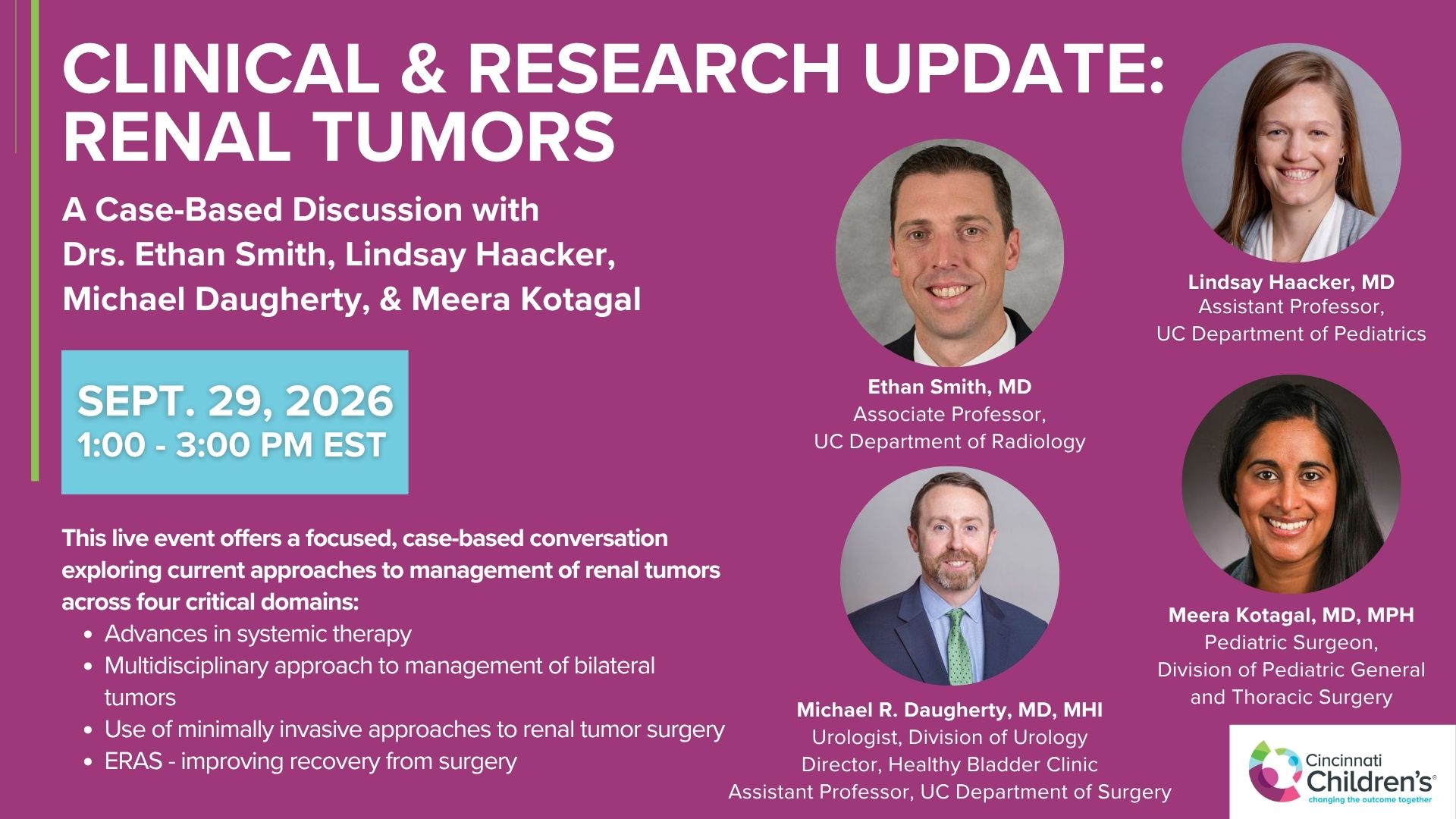
Clinical & Research Update: Renal Tumors with Drs. Ethan Smith, Lindsay Haacker, Michael Daugherty, and Meera Kotagal
71 min · Published Sep 2026
Video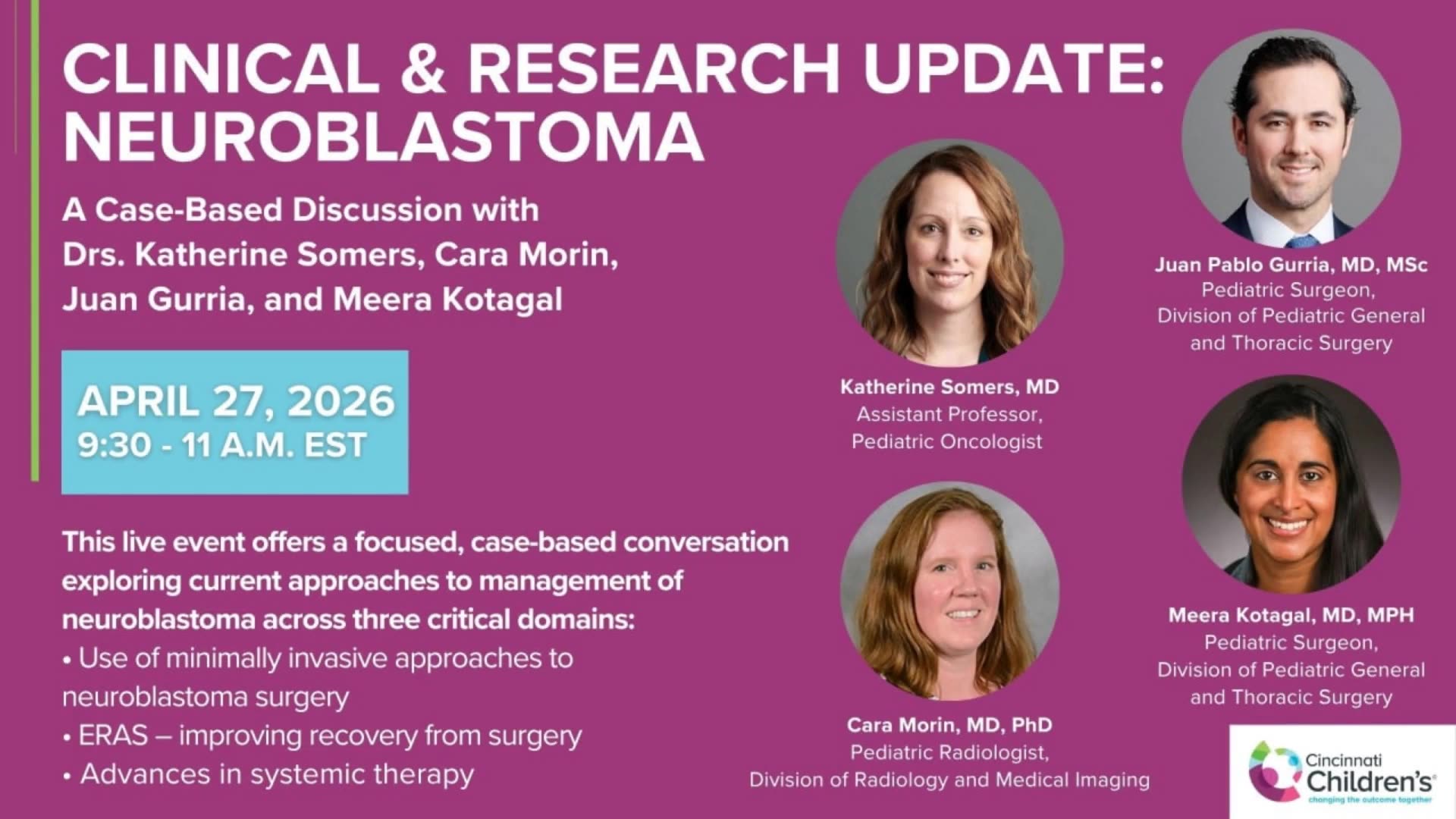
Clinical & Research Update: Neuroblastoma with Drs. Katherine Somers, Cara Morin, Juan Gurria, and Meera Kotagal
67 min · Published Sep 2026
Video
Clinical & Research Update: Sarcoma w/ Drs. Roshni Dasgupta, Joseph Pressey, Arthur Meyer, Luke Pater
66 min · Published Sep 2026
Video
2026 Laparoscopic Pediatric Hernia Repair
123 min · Published Jun 2026
Video
Beyond the Spectrum: Diagnosis, Myths & Management - Caitlin Couch & Leslie Lopez - APP Conference 2026
50 min · Published May 2026
Video
Dysautonomia: Navigating the Journey - Martha Willis - APP Conference 2026
55 min · Published May 2026
What the experts said
According to 2022 MBSAQIP database, 90% of primary bariatric procedures in children are sleeve gastrectomies, 9% are laparoscopic gastric bypass, with some biliopancreatic diversions.
The most common revisional procedure is sleeve to bypass, done for inadequate weight loss or bile reflux.
In the US, 90% of pediatric bariatric cases are sleeve gastrectomies, but this is not necessarily true around the world.
For sleeve gastrectomy, the top reason for revision is inadequate weight loss, followed by bile reflux and then stenosis or kinking.
For gastric bypass with inadequate weight loss, revision is ineffective—lengthening limbs or making the pouch smaller doesn't work, with no evidence supporting these approaches.
In one anastomosis gastric bypass (OAGB), the small intestine is measured from the ligament of Treitz at 150 to 200 centimeters, leaving at least 300 centimeters in the common channel.
Converting bypass to BPD for inadequate weight loss is extremely difficult due to the anatomy.
Gastric bypass is often revised for ulcer disease, including gastrojejunal ulcers that can develop when patients start smoking as adults, leading to stenosis, ulcers, pain, bleeding, and food intolerance.
In biliopancreatic diversion, approximately 100 centimeters is left from the gastric anastomosis to the terminal ileum, with intestinal length split between the other two limbs.
Re-sleeving is fairly effective in a moderate number of patients with large antrum, inadequate weight loss, or non-bile reflux from retained fundus, though there is data in adults but no data in children.
In SADI (single anastomosis duodenoileal bypass with sleeve), the anastomosis is made 300 centimeters from the ileocecal valve.
Greater curvature plication is purported to have advantages including wider acceptance in younger patients because it's not a resection, potential metabolic benefit beyond restriction, reversibility (especially early on), possibly less risk of leak, and ability to progress to full sleeve or other procedures.
There are limited studies on gastric plication, with most done in adults and only one other study outside of the presenter's experience involving a dozen adolescent patients overseas.
In the pilot study of gastric plication, four patients aged 16-17 were enrolled with average weight 139 kg and average BMI 48 (range 41.7 to 53.7).
Two of four plication patients withdrew from the study after 90 days, both living over an hour outside of Richmond, leaving only two patients followed for the full 3 years.
The gastric plication procedure took an average of 202 minutes with minimal blood loss, and patients were kept for 2 to 3 days.
Weight loss at 90 days after plication averaged 17.7 kg, and at 3 years for the two patients who completed the study averaged 45.7 kg, with one patient losing up to 70 kg and another losing some weight but gaining a little back.
At 9 years post-plication, one patient went from 142-143 kg to losing about 40 kg with BMI decreasing from 55.8 to 40.4, with resolution of pre-diabetes.
Percent change of BMI after plication was 17.5% at 90 days and 39.7% at 36 months.
Plication patients reported early satiety and good hunger control for the duration of follow-up with limited nausea.
At 9 years post-plication, a second patient (5'11" tall) went from 175 kg to 100 kg with BMI decreasing from 53.8 to 30.7, with resolution of severe sleep apnea that had required CPAP.
Two plication patients followed long-term had mild reflux symptoms that resolved without significant long-term intervention, and one had abdominal pain that resolved on its own.
Gastric plication may have a role in severely obese patients whose care providers are reluctant to remove 80% of the stomach, particularly in younger patients.
There were no major complications from plication, with only one readmission for nausea requiring a 23-hour stay.
Both plication patients at 9 years continue to have good early satiety and hunger control.
In the adult population, if patients have BMI over 50 or childhood onset obesity, sleeve to SADI is typically performed for revision.
When performing revision surgery on 20-year-olds who had sleeves, bypasses result in significant weight loss.
Kids respond differently to revisional surgery than adults, and more research is needed.
Studies suggest gastric plication tends to do better in patients with BMI less than 40 and may have more of a role in younger patients.
Limited studies show some metabolic changes in hormone levels with gastric plication, though not completely characterized, suggesting metabolic changes beyond just plication.