

From
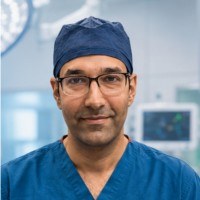
Dr. Amr Moursi
Epilepsy Surgery Outcomes Explained 🧠
With Dr. Amr Moursi
Part of
Epilepsy 3 items
Chapter 1 of 3 · Fundamentals
Historical context
Historical context and development of the Engel classification
Expert statements on this page
No expert statements were drawn from this page.
Host summaries · secondary, not cited in answers
Educational content from recorded physician discussions — not medical advice. Talk to your (or your child's) care team about your situation.
Video
2024 Fetal Care Center Frontiers in Fetal Neurology Day 1 - Dr. Charu Venkatesen
12 min · Published Oct 2024
Video
Endoscopic Approaches to Pediatric Epilepsy Surgery: Pediatric Endoscopic...
23 min · Published Jan 2018
Video
2024 Fetal Care Center Frontiers in Fetal Neurology Day 2 - Hour 1 Q&A
9 min · Published Oct 2024
Video
ERCP: Pancreatic Disease
CCHMC Pediatric Surgery · 9 min · Published Sep 2016
Video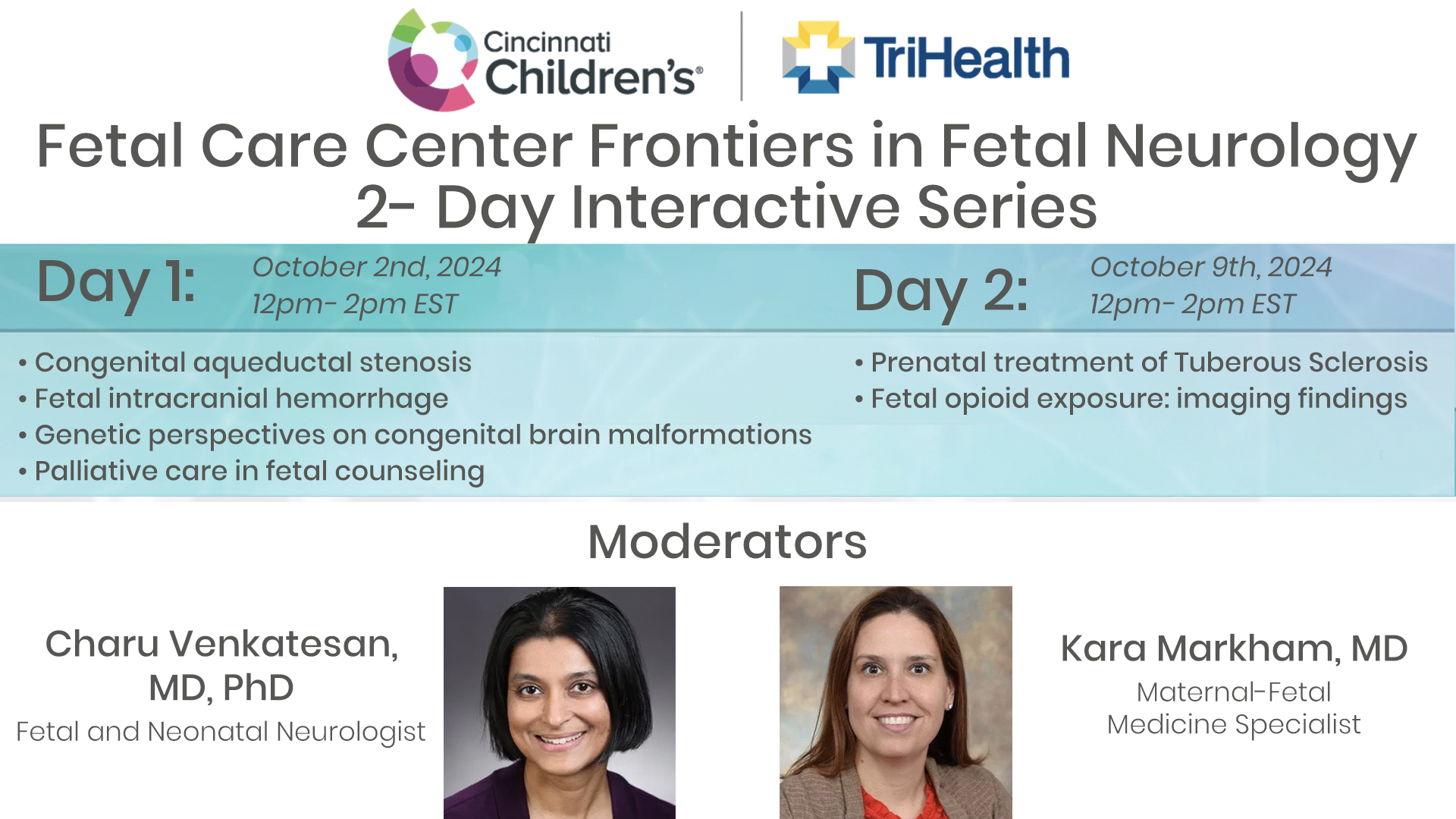
2024 Fetal Care Center Frontiers in Fetal Neurology Day 1 - Dr. Sonika Agarwal
17 min · Published Oct 2024
Video
Acute and Acute Recurrent Pancreatitis: Pancreatic Disease
56 min · Published Sep 2016
Video
Epilepsy Exam Questions for Neurosurgeons | MCQs, Concepts and Key Topics - part 1 out 3
Amr Moursi · Published Jul 2026
Video
Movement Disorder Exam Questions for Neurosurgeons | MCQs, Concepts and Key Topics
Amr Moursi · 9 min · Published Jul 2026
Video
Clinical Training vs Research: The Trade-Off Doctors Must Understand
Amr Moursi · 1 min · Published Jul 2026
Video
FRCS Neurosurgery Exam Explained in 2 Minutes
Amr Moursi · 2 min · Published Jul 2026
Video
The Surgical Window: Why Timing Matters as Much as Skill | Functional Surgery Minute #05
Amr Moursi · 2 min · Published Jul 2026
Video
3 Eras of Parkinson's Surgery: Destroy → Modulate → Respond
Amr Moursi · 2 min · Published Jul 2026
What the experts said
Before the 1980s, surgical outcomes for epilepsy were reported simply as improved or not improved, with every center using its own definition, preventing meaningful comparison of results.
In 1993, Jerome Engel and colleagues proposed a single standard scale for epilepsy surgery outcomes.
The Engel classification quickly became the international standard for reporting epilepsy surgery outcomes.
The Engel classification grades how close the patient is to complete seizure freedom rather than counting seizures.
Engel Class 1 means the patient is free of disabling seizures and essentially seizure-free — surgery worked.
Engel Class 2 means rare disabling seizures with long seizure-free stretches — almost seizure-free, surgery worked well but not perfectly.
Engel Class 3 means worthwhile improvement with seizures still happening but far less than before, where both patient and clinician agree the change was worth it — surgery helped but epilepsy remains active.
Engel Class 4 means no worthwhile improvement, with seizures continuing at similar frequency or worse — surgery did not achieve meaningful control.