


From
Live Event Content
Beyond the Spectrum: Diagnosis, Myths & Management - Caitlin Couch & Leslie Lopez - APP Conference 2026
With Dr. Caitlin Couch & Dr. Leslie Lopez
Chapter 1 of 5 · Fundamentals
Intro & Causes
Introduction, Epidemiology, Diagnostic Criteria, and Causes of Autism
Expert statements on this page
No expert statements were drawn from this page.
Host summaries · secondary, not cited in answers
Educational content from recorded physician discussions — not medical advice. Talk to your (or your child's) care team about your situation.
More about this diagnosis
Autism spectrum disorderVideo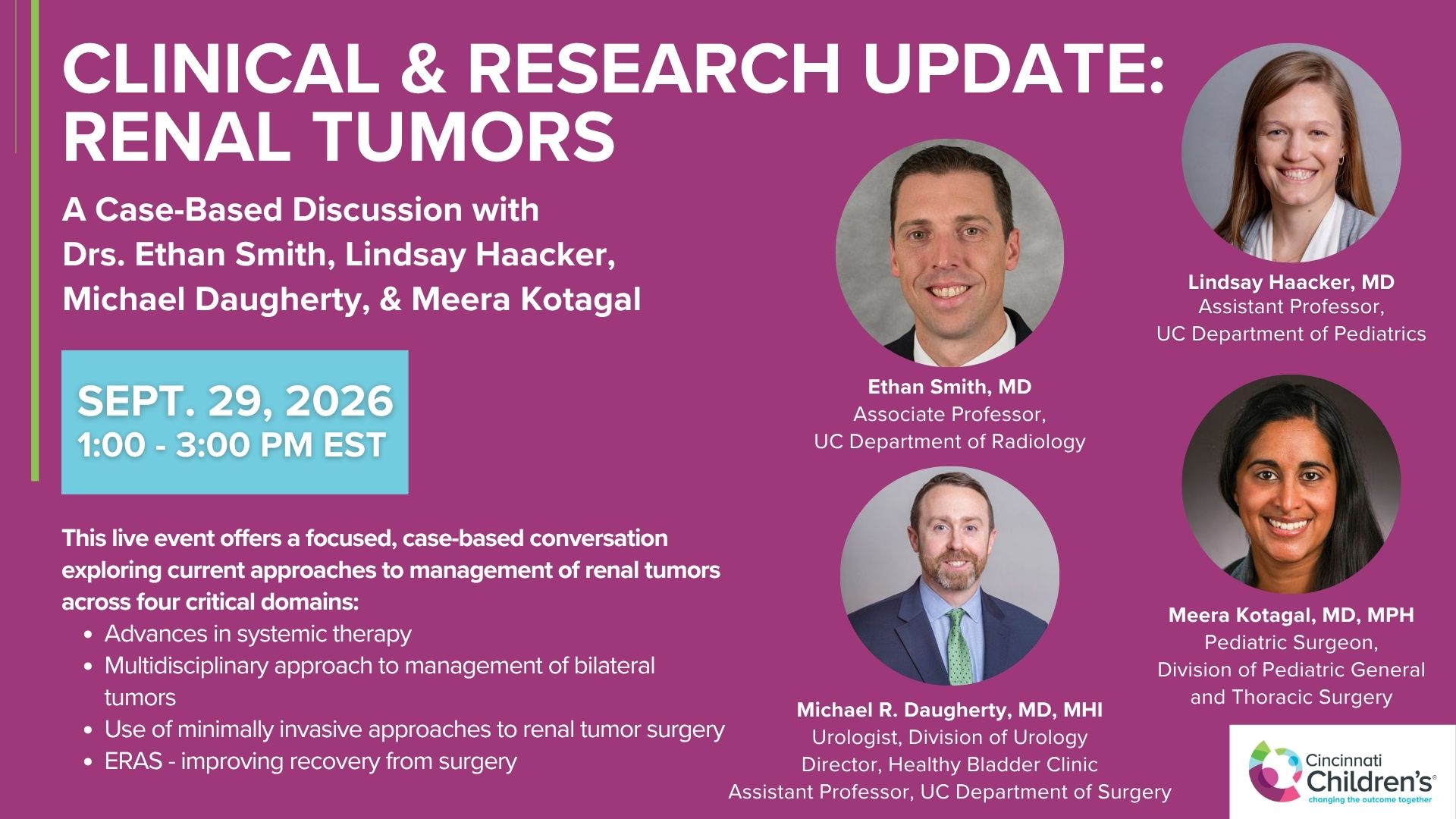
Clinical & Research Update: Renal Tumors with Drs. Ethan Smith, Lindsay Haacker, Michael Daugherty, and Meera Kotagal
71 min · Published Sep 2026
Video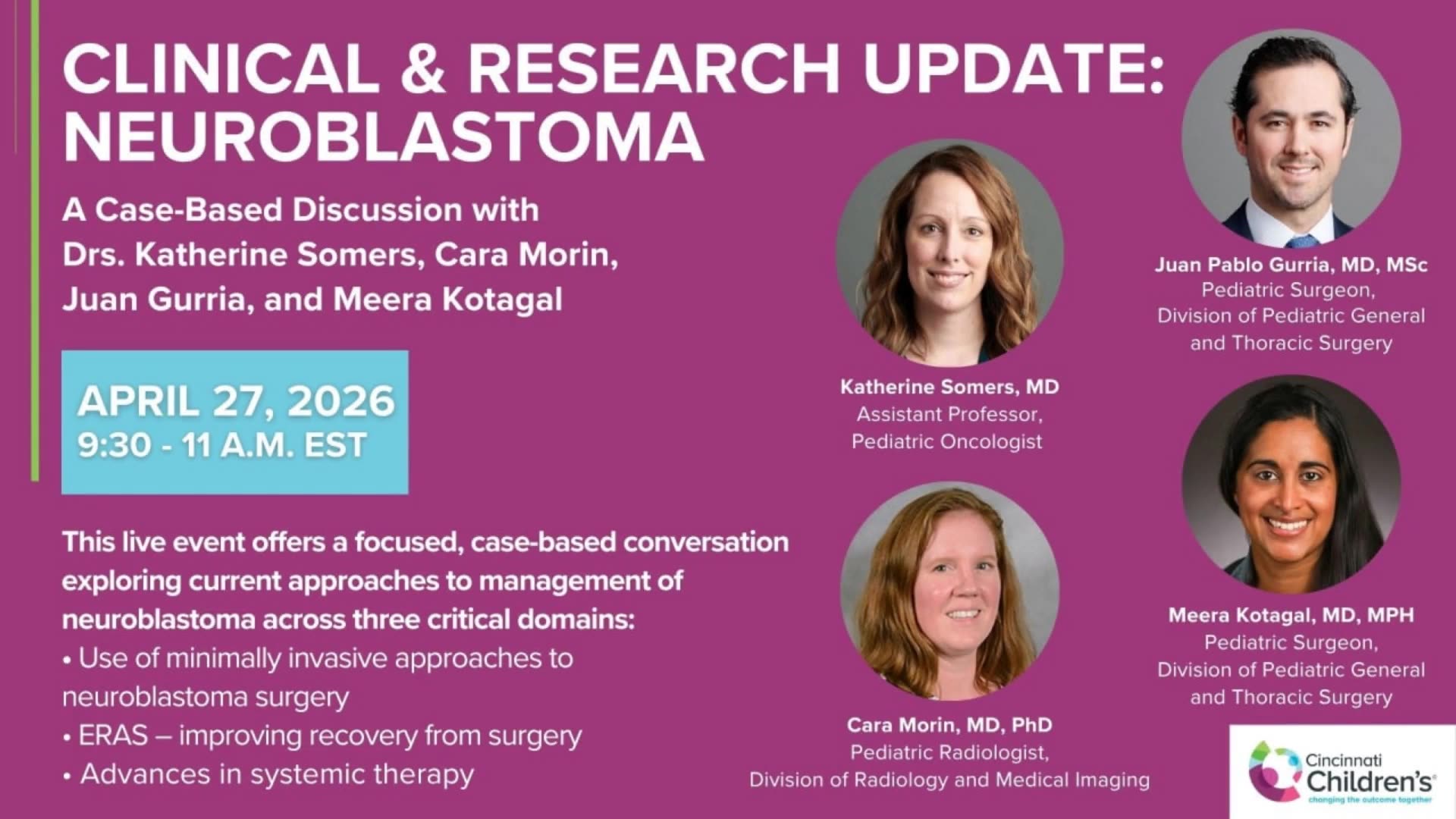
Clinical & Research Update: Neuroblastoma with Drs. Katherine Somers, Cara Morin, Juan Gurria, and Meera Kotagal
67 min · Published Sep 2026
Video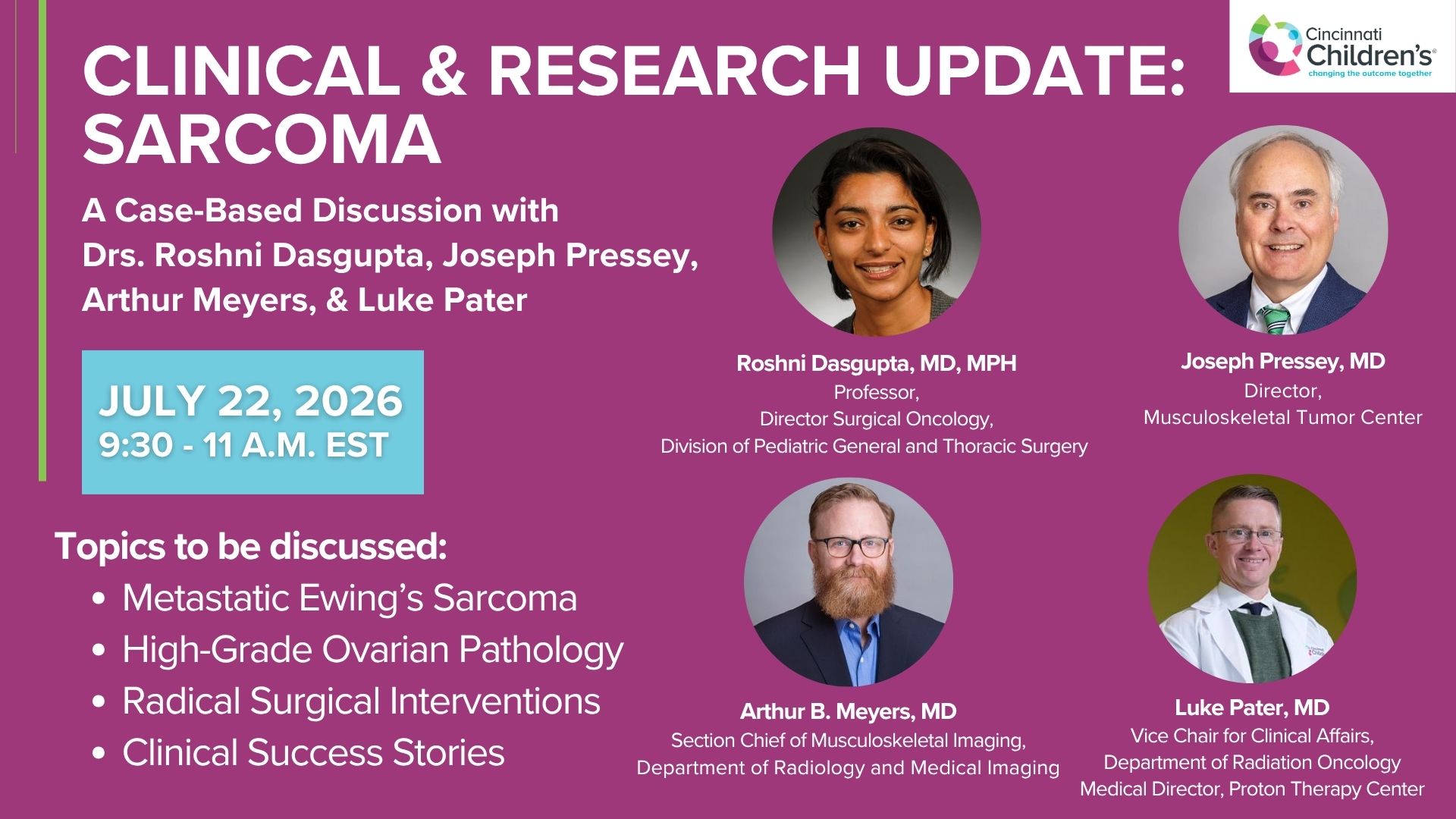
Clinical & Research Update: Sarcoma w/ Drs. Roshni Dasgupta, Joseph Pressey, Arthur Meyer, Luke Pater
66 min · Published Sep 2026
Video
2026 Laparoscopic Pediatric Hernia Repair
123 min · Published Jun 2026
Video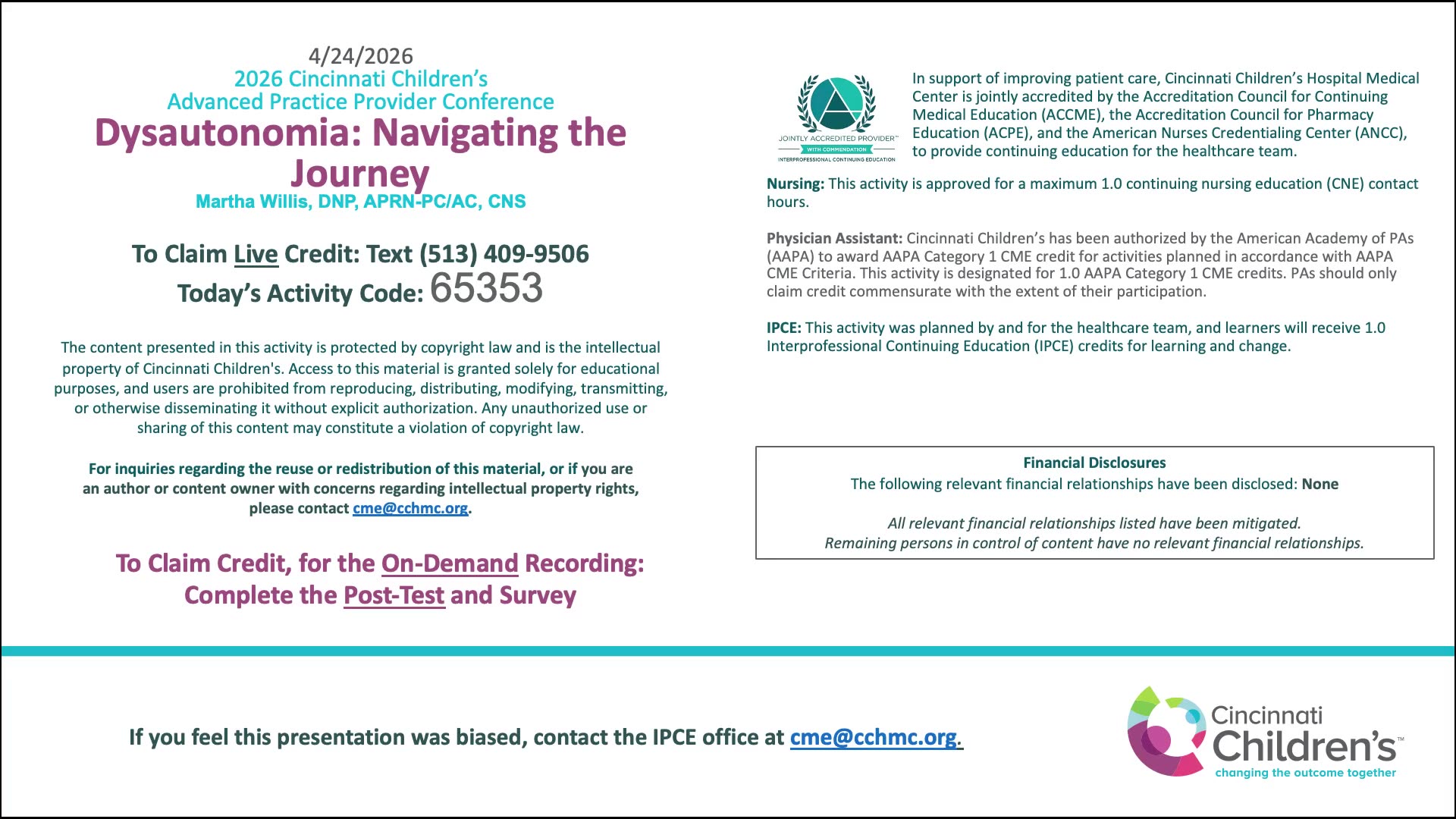
Dysautonomia: Navigating the Journey - Martha Willis - APP Conference 2026
55 min · Published May 2026
Video
Everything You Ever Wanted to Know About G-tubes But Were Afraid to Ask - Betsy Gerrein - APP Conference 2026
30 min · Published May 2026
What the experts said
About 1 in 31 children ages 8 years old have been identified as having autism
Autism is more common in boys than girls, about 3 times more common in boys than girls
Autism rates are rising due to increased awareness, increased accessibility to specialists and evaluations, more uniform criteria for diagnosis (broader range including former PDD and Asperger's diagnoses), and early identification through screening
Current DSM-5 diagnostic criteria for autism spectrum disorder requires deficits in social communication (how wants and needs are expressed, eye contact, gestures, conversations, emotions) AND restricted/repetitive behaviors and interests (intense or unique interests, unique body movements, formal or unique speech, sensory sensitivities)
DDBP does not use autism severity levels (1, 2, 3) because autism is a fluid diagnosis that changes over time, and levels can be difficult to assign when a child has average IQ but doesn't communicate verbally and has intense behaviors
40 to 59% of individuals with autism have average or above average IQ
Higher IQ in autism is associated with more camouflaging behavior, which can be challenging from a mental health perspective and is more common in girls than boys
25 to 30% of individuals with autism are non-speakers or have minimally functional verbal communication (echolalia without functional question-asking or answering)
If one child in a family has autism, the risk for a younger sibling is around 20% (compared to 2-3% population baseline), with higher risk for boys and when multiple siblings are affected
About 25% of individuals with autism have GI issues ranging from celiac disease to constipation
About 25% of individuals with autism have seizures
Children with autism can experience suicidality and should be screened for firearms, suicide, and homicidal ideation just like any other patient
Environmental risk factors for autism include advanced maternal age, maternal overweight, diabetes, autoimmune conditions, infections, exposure to toxins (heavy metals, pesticides), preterm birth, low birth weight, birth complications, and air pollution in the 3rd trimester
Valproic acid medication use during pregnancy has been implicated as a risk factor for autism
Vaccines, including MMR, have no causal link to autism based on research, literature, and scientific data
Genetic testing is highly recommended for children with developmental delay, intellectual disability, or autism, with about 50% of cases having identifiable genetic etiologies
The gold standard for genetic testing is whole genome sequencing, but insurance often denies it; alternative is microarray first which reflexes to fragile X panel, then MECP2 (for smaller head size/Rett syndrome) or PTEN (for larger head size)
Benefits of genetic testing include diagnostic clarity, connecting with other families with same condition, guiding medical management, and sometimes identifying targeted treatments; risks include potential impact on life insurance and identification of secondary findings (adult-onset conditions like cancer or heart disease)
Untreated high fever in pregnancy can result in miscarriage and/or maternal death
Cerebral folate deficiency is a rare medical condition in which children may have small head size, seizures, developmental delays, or autism
Folate receptor antibody testing (FRAT) is not currently available at Cincinnati Children's and there is not enough data to recommend it as a good way to identify cerebral folate deficiency
Primary care can screen for autism using MCHAT at well-child visits and refer to DDBP if concerns are identified
Anyone (parents, teachers, providers) can refer a child to early intervention (Help Me Grow in Ohio) if there are developmental concerns
Schools can do evaluations for IEP or 504 plans if there are concerns for developmental delays in children over age 3 who no longer qualify for early intervention
DDBP provides comprehensive autism evaluations with psychologists or developmental pediatricians to determine if autism is present and identify why challenges exist
DDBP uses sensory toys, bubbles, child life specialists, ACT (adaptive care team) plans, and behavior safety teams to support patients during visits
ACT plans are only available at locations that have child life specialists and may include meeting families in the parking garage, using wagons for transport, or setting up rooms in specific ways (e.g., locking up water for children with water-related behaviors)
Behavior safety team (BST) may be needed for every visit for children with aggression or self-injury that causes marks or injury; BST and ACT plan flags appear in Epic patient charts
PECS (picture exchange communication system) can help patients get through visits by showing sequence of events (e.g., first talk, then checkup, then sticker); these are created by child life or speech therapy, not providers
When patients use AAC devices or letterboards to communicate, providers should respond to them as if they were using their voice and allow time and space for responses
Social stories created by child life can help prepare patients for visits, vaccines, blood draws, or challenging situations like cicada season for children with bug phobias
Always presume competence in patients with autism; a patient who appeared unable to use a computer during COVID later typed complete sentences and asked complex questions like 'Will I ever talk?'
Safety strategies for difficult visits include removing potentially dangerous items (wheeled chairs, swinging light fixtures), changing positioning (sitting by door with back to door to prevent eloping), having one person talk at a time, using fewer words with first-then language, avoiding the word 'no', and not touching the patient unnecessarily
De-escalation strategies include dimming lights, stopping unnecessary demands, giving positive praise ('I like that you're being really patient'), having one person talk, providing something for hands to do, using sound machines or projector machines, and most importantly asking parents what typically helps
Do not call DDBP during acute escalation because response will be delayed (not available weekends/holidays, providers may be on vacation); instead send Epic message after visit describing what was tried and requesting support for future visits
Short-term supports while waiting for DDBP appointment include speech therapy, OT (for sensory processing and emotional regulation, not just fine motor), PT (for body awareness if clumsy), family support team/navigators, school district IEP/504 process, and county DDS services
DDBP family support team consists of parent navigators who are in tune with school districts, advocates, autism scholarships, and county services
DDS (county developmental disability services) can be an undertaking to get connected initially but is beneficial for services, especially when patients become adults in Ohio
TRIBE program connects African American families with similar children and concerns to build community networks
Rubenstein library (Mr. Matt) can provide PECS materials, communication supports, and age-appropriate resources on topics like menstrual cycles for patients with intellectual disabilities
LEND (Leadership Education in Neurodevelopmental and Related Disabilities) is a graduate-level specialty program for any discipline (speech, OT, psychology, APRNs) to learn advocacy and didactic information on disabilities; participants receive a stipend and follow an academic calendar
Referral pathway: patients with developmental disabilities (autism, Down syndrome, cerebral palsy, intellectual disability, global developmental delay) should be referred to DDBP first; if medication needs exceed DDBP scope, then refer to neurobehavioral psychiatry; general psychiatry is only for very high-functioning children who can communicate fluently in a verbal manner
For elopement safety concerns, DDBP offers window/door alarms (given out in clinic or families can order online), recommends leashes, utilizes wheelchair clinic for adaptive strollers for community safety, offers swim classes, and provides classes for families specifically related to elopement
American Academy of Pediatrics and American College of Medical Genetics recommend genetic testing for people with global developmental delay, autism, and/or intellectual disability
Decades of high-quality research has not shown a link between prenatal Tylenol use and autism; studies claiming association did not adequately adjust for confounders (genetics, maternal health, lifestyle/environmental factors), and sibling-controlled analyses showed the association disappeared
Umbrella reviews of Tylenol-autism studies rate the confidence of findings as low to critically low due to lack of rigorous methods, comprehensive searches, or bias assessments
The FDA is not recommending leucovorin for all children with autism; it is only indicated for a very specific and small patient population with cerebral folate deficiency (confirmed variant in folate receptor 1 gene, an ultra-rare brain disorder)