


From
StayCurrentMD
Age at Orchiopexy JPS Review
With Dr. Augustino Piero & Dr. Prem Puri · hosted by Dr. Todd Ponsky & Dr. Carmelo Romero
Chapter 1 of 4 · Evidence & Research
Introduction
Introduction and paper overview
Expert statements on this page
No expert statements were drawn from this page.
Host summaries · secondary, not cited in answers
Educational content from recorded physician discussions — not medical advice. Talk to your (or your child's) care team about your situation.
Video
BOB Ped Surg 2023 - Jason Fraser, APSA - Presentation
Published Feb 2023
Video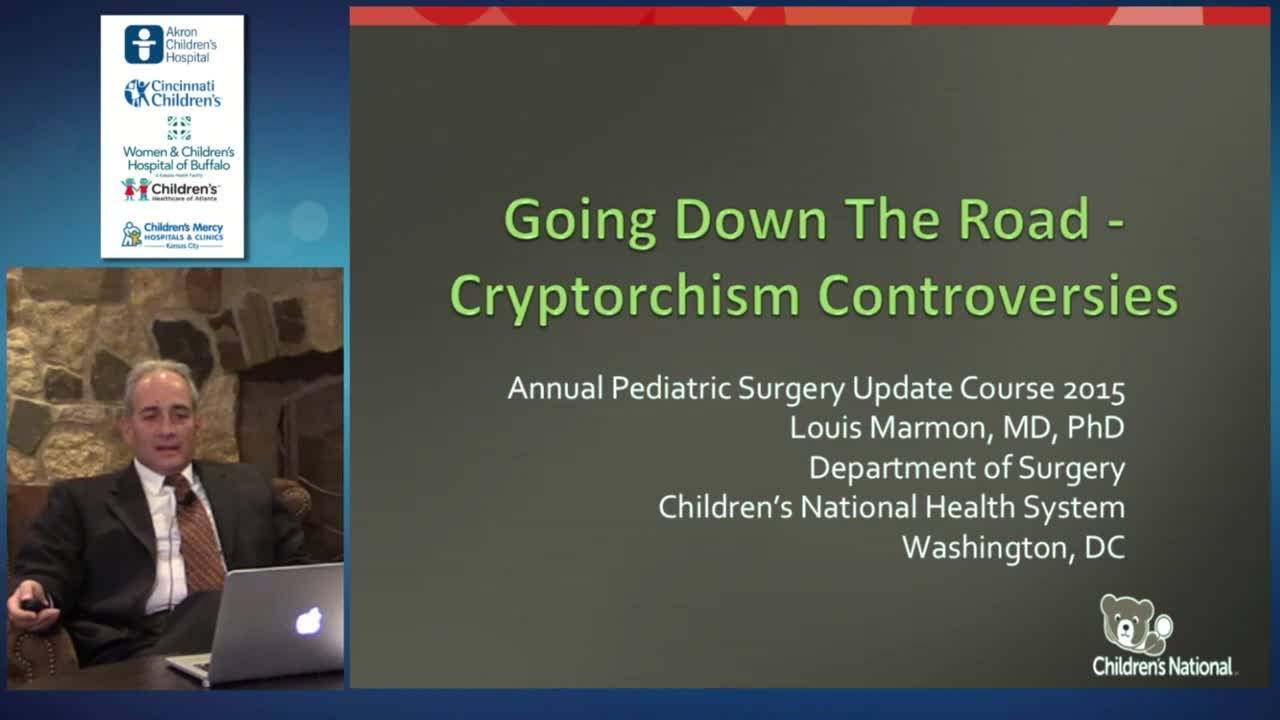
Cryptorchidism Rapid Fire Session: Update Course 2015
6 min · Published Jul 2017
Video
22. HerniaTalk LIVE Q&A: Pediatric Hernias
Todd Ponsky · 59 min · Published Jul 2026
Video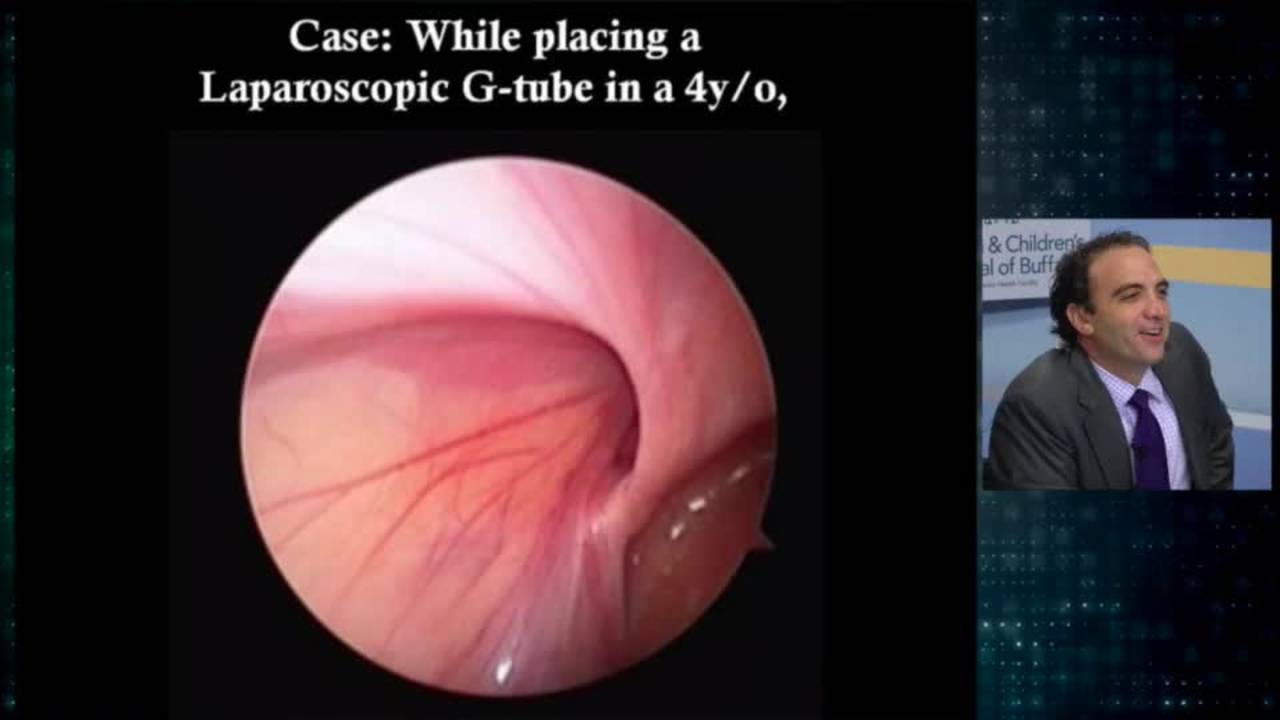
Groin Controversies: Update Course 2016
Dr. Todd Ponsky · 28 min · Published Jul 2017
Video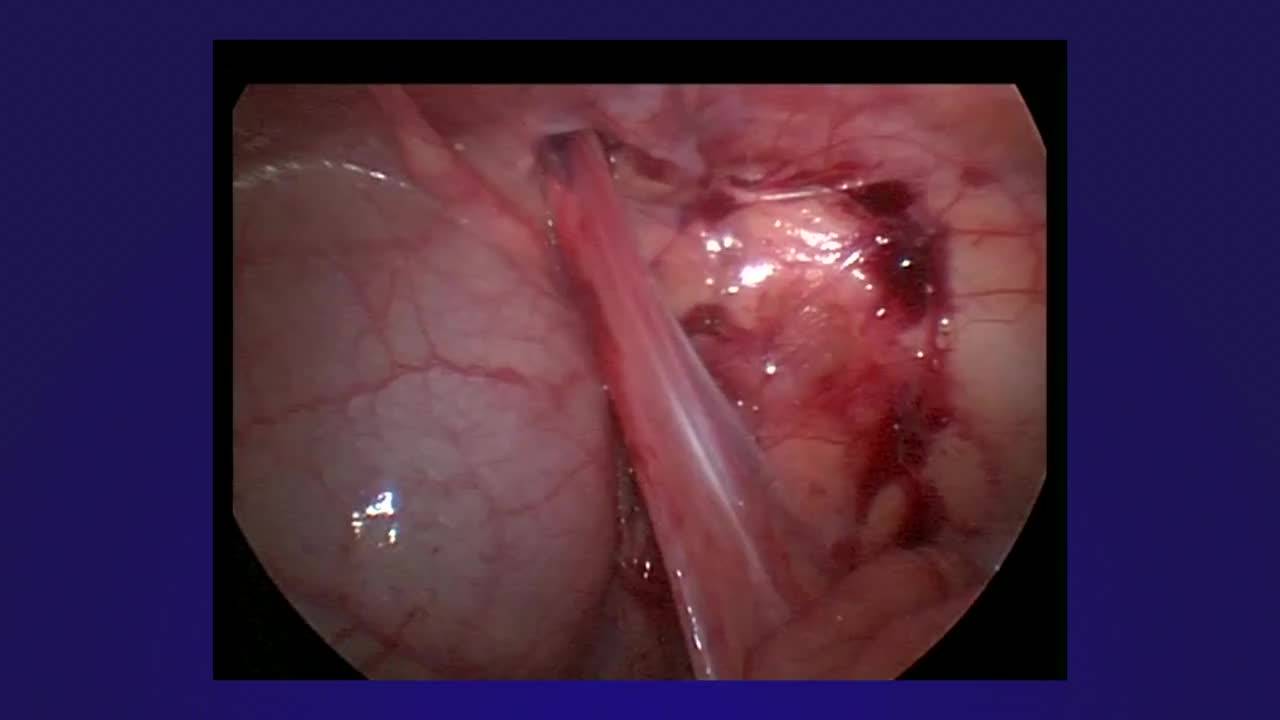
Laparoscopic Orchidopexy
5 min · Published Feb 2020
Podcast
Inguinal Hernias: Diagnosis and Management
16 min · Published Apr 2021
Only a few other public items share this expert — go deeper there →
Video
Intestinal Atresia Types Explained: Grossfeld Classification for Pediatric Surgery
1 min · Published Sep 2026
Video
Derivation and validation of the Pediatric Community-Acquired Pneumonia Severity (PedCAPS) score: A prospective cohort study
50 s · Published Sep 2026
Video
FETO for Late-Diagnosed Severe Congenital Diaphragmatic Hernia (CDH) at Cincinnati Children's with Dr. Beth Rymeski
4 min · Published Sep 2026
Video
Severe Congenital Diaphragmatic Hernia (CDH) Case: FETO Management & Unexpected Findings with Dr. Beth Rymeski
3 min · Published Sep 2026
Video
Fetoscopic Endoluminal Tracheal Occlusion (FETO) Procedure: Step-by-Step Guide with Dr. Beth Rymeski
4 min · Published Sep 2026
Video
Choledochal Cyst Types Explained: Pediatric Surgery Fundamentals
1 min · Published Sep 2026
What the experts said
The American Urological Association released guidelines that orchiopexy should be done around one year of age but not later than 18 months.
The paper reviewed two major databases in the United States and found that 70% of children get orchiopexy six months beyond the suggested ideal time.
What matters is not the timing of surgery, it depends whether the patient has unilateral cryptorchidism or bilateral cryptorchidism or if their testis is palpable or impalpable.
In a Lancet study, 142 adults who had orchiopexy between ages 7 and 13 years were examined for semen analysis.
Semen analysis was normal or acceptable in patients who had unilateral cryptorchidism.
Patients who had bilateral palpable testes in the superficial pouch had semen which was normal or acceptable.
Patients who had bilateral impalpable testes (either in the abdomen or canalicular) were all azoospermic.
The median time for orchiopexy is between four and five years of age.
The AUA recommends making the diagnosis of undescended testicle at six months of age with repair by 18 months.
Patients with palpable testicles who had orchiopexy at a later age had completely normal semen.