


From
Live Event Content
BOB in Ped Surg 2023 - PAPSA Winner - Mohamad Mahmoud Qinawy, MD
With Dr. Mohammed Qinawy
Chapter 1 of 3 · Fundamentals
Competition intro
Introduction and PAPSA Competition Setup
Expert statements on this page
No expert statements were drawn from this page.
Host summaries · secondary, not cited in answers
Educational content from recorded physician discussions — not medical advice. Talk to your (or your child's) care team about your situation.
Podcast
Gastroesophageal Reflux Disease
Jeffrey Ponsky · 33 min · Published Jun 2016
Podcast
Gastroesopheal Reflux Disease
33 min · Published Dec 2016
Video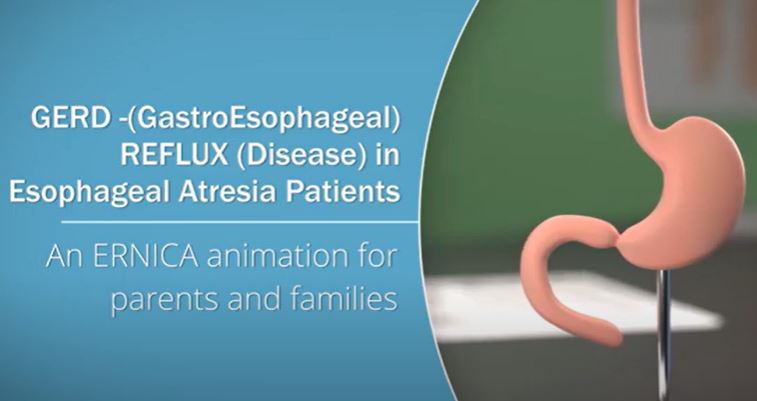
GERD - (GastroEsophageal) REFLUX (Disease) in Esophageal Atresia Patients: An ERNICA animation
4 min · Published Nov 2023
Video
Top Themes From The Stay Current App
Published Sep 2020
Video
Esophagogastric Dissociation for GERD in Severe Neurodisability
Dr. Todd Ponsky · 2 min · Published Oct 2016
Video
SAGES/ALACE Symposium: Integrating New Technologies, Old Tricks, and Operative Approaches
Jeffrey Ponsky · 12 min · Published Mar 2012
Video
Clinical & Research Update: Renal Tumors with Drs. Ethan Smith, Lindsay Haacker, Michael Daugherty, and Meera Kotagal
71 min · Published Sep 2026
Video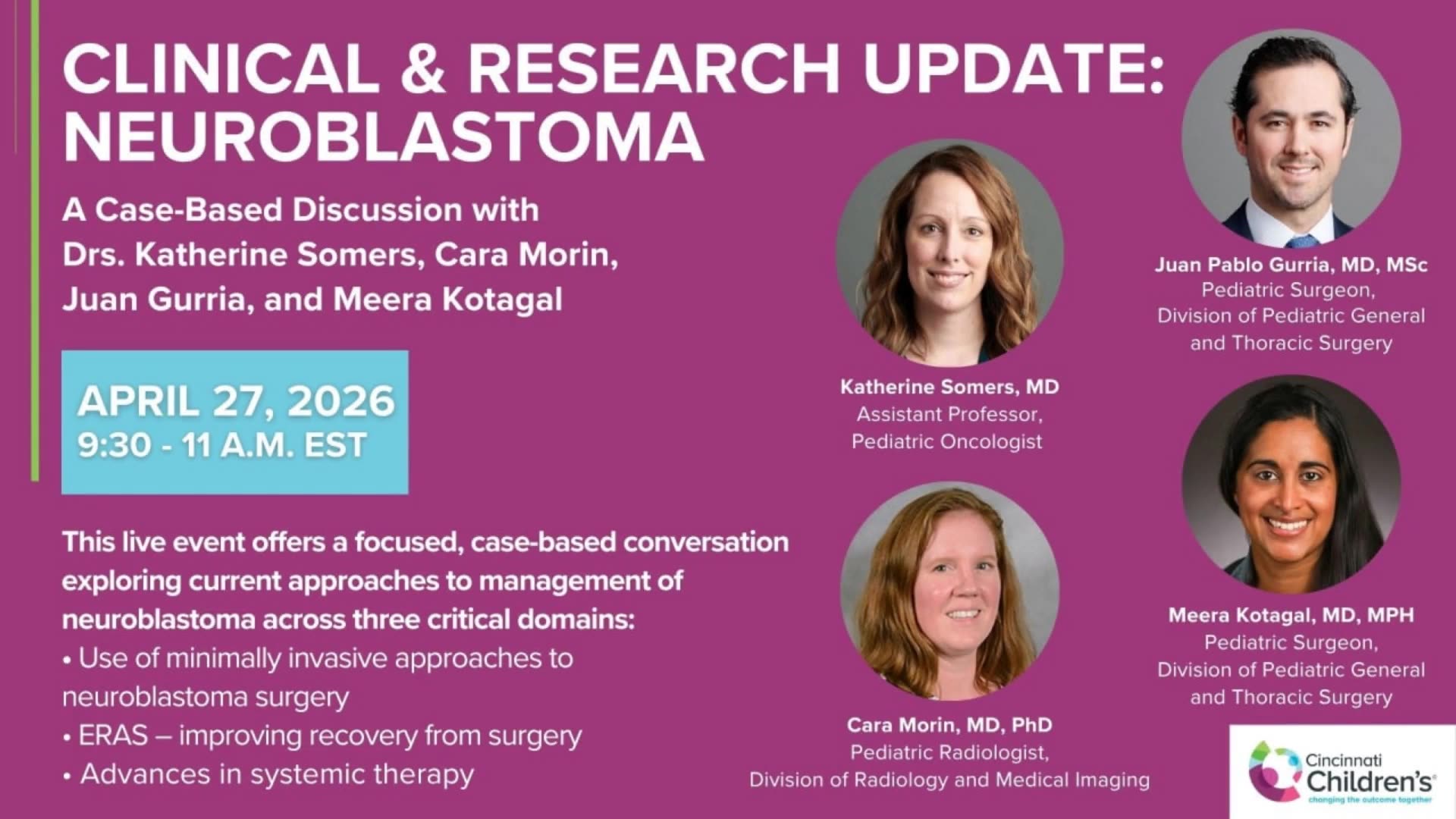
Clinical & Research Update: Neuroblastoma with Drs. Katherine Somers, Cara Morin, Juan Gurria, and Meera Kotagal
67 min · Published Sep 2026
Video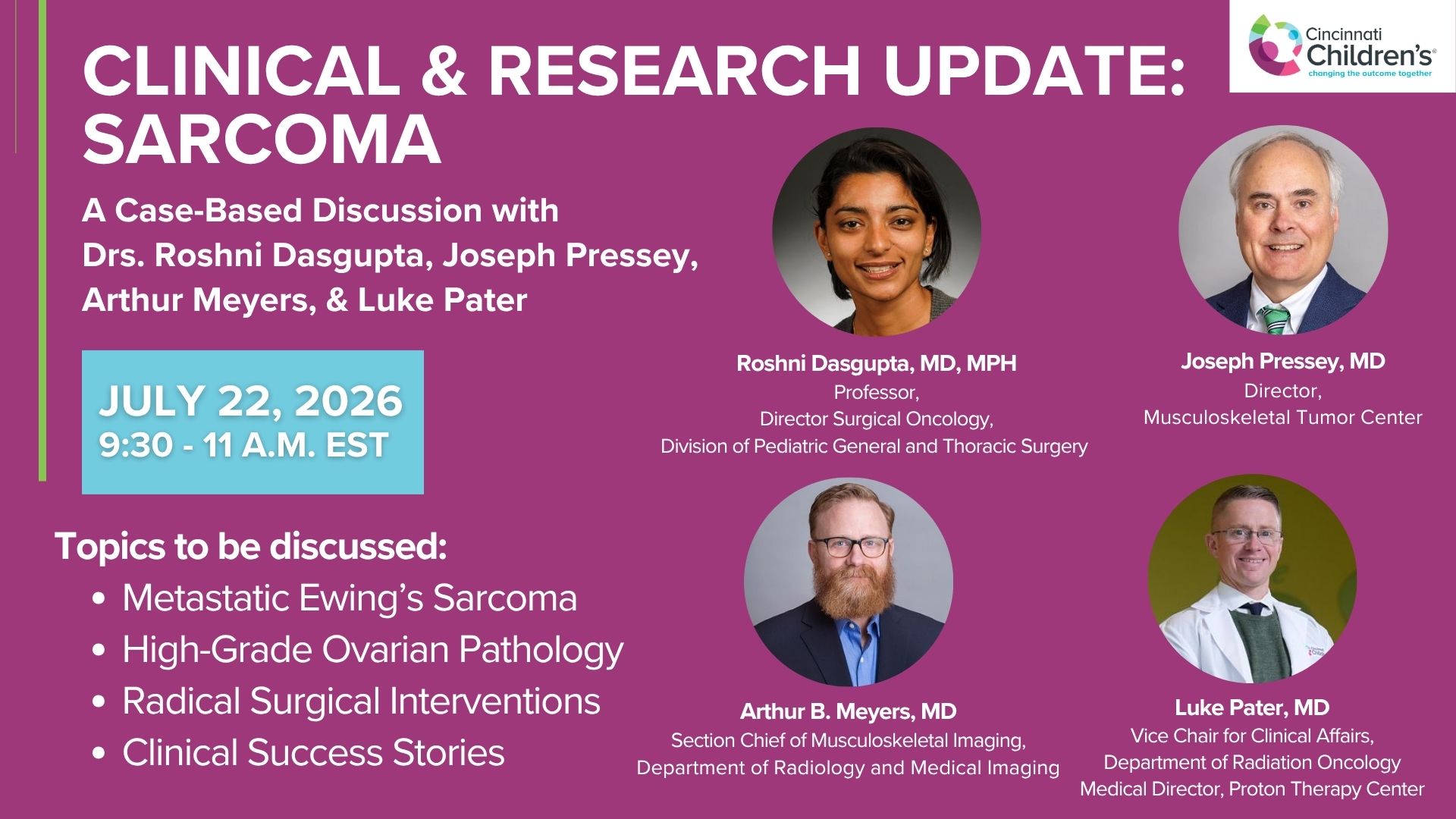
Clinical & Research Update: Sarcoma w/ Drs. Roshni Dasgupta, Joseph Pressey, Arthur Meyer, Luke Pater
66 min · Published Sep 2026
Video
2026 Laparoscopic Pediatric Hernia Repair
123 min · Published Jun 2026
Video
Beyond the Spectrum: Diagnosis, Myths & Management - Caitlin Couch & Leslie Lopez - APP Conference 2026
50 min · Published May 2026
Video
Dysautonomia: Navigating the Journey - Martha Willis - APP Conference 2026
55 min · Published May 2026
What the experts said
Nissen fundoplication is the most commonly adopted procedure for GERD all over the world
Post-operative dysphagia and bloating are frequently encountered after Nissen fundoplication, creating the necessity for a more facilitative design
Recurrent GERD has been reported to occur in up to 15% of children requiring re-operation
The study was a prospective single-blinded randomized comparative study conducted from October 2018 to February 2020 including 40 patients divided into two groups
The operative setup is similar between Nissen fundoplication and Hill-Snow procedure
In the Hill-Snow procedure, the first step after crural approximation is excision of the distal abdominal esophagus to the phrenic decision
The Hill-Snow procedure establishes an angle of His by suturing the fundus of the stomach to the distal third of the esophagus with running 2-0 suture
Study inclusion criteria included patients with GERD with failure of medical treatment, symptomatic hiatus hernia, patients presenting with obstruction, and patients with life-threatening symptoms like apnea
Study excluded recurrent cases and giant hiatus hernia
Operative time was significantly longer in the Hill-Snow group when compared to the Nissen group
Early postoperative bloating was found to be lower in the Hill-Snow group: 3 cases versus 15 cases in the Nissen group
Early postoperative dysphagia was found to be lower in the Hill-Snow group: 2 cases versus 7 cases in the Nissen group
Early vomiting was encountered more in the Hill-Snow group: 6 cases versus 2 cases in the Nissen group
The incidence of dysphagia was found to be insignificant in both groups regarding late postoperative assessment, but it was of shorter duration in the Hill-Snow group
No bloating was found in any Hill-Snow patient at late follow-up, while 11 cases from the Nissen group suffered from bloating
Recurrent vomiting and need for drugs was found in 8 cases in the Hill-Snow group versus 6 cases in the Nissen group
There were 3 recurrent Hill-Snow cases versus 2 recurrent Nissen cases
When evaluating reflux disease surgery, you need to differentiate neurologically normal versus neurologically abnormal patients because their responses to surgery are very different
The recurrent cases of Hill-Snow were found in the first 10 cases, which was attributed to the learning curve
Recent literature shows there is no importance of fixation of the esophagus to the crus, and current practice after this study does not use sutures between the esophagus and the crus
Data from a Kansas City study clearly shows that anterior esophagopexy is ineffective and has worse outcomes