


From
StayCurrentMD
JPS Journal Club: July 2019 Part 3
Chapter 1 of 3 · Fundamentals
Introduction
Introduction and Context
Expert statements on this page
No expert statements were drawn from this page.
Host summaries · secondary, not cited in answers
Educational content from recorded physician discussions — not medical advice. Talk to your (or your child's) care team about your situation.
Video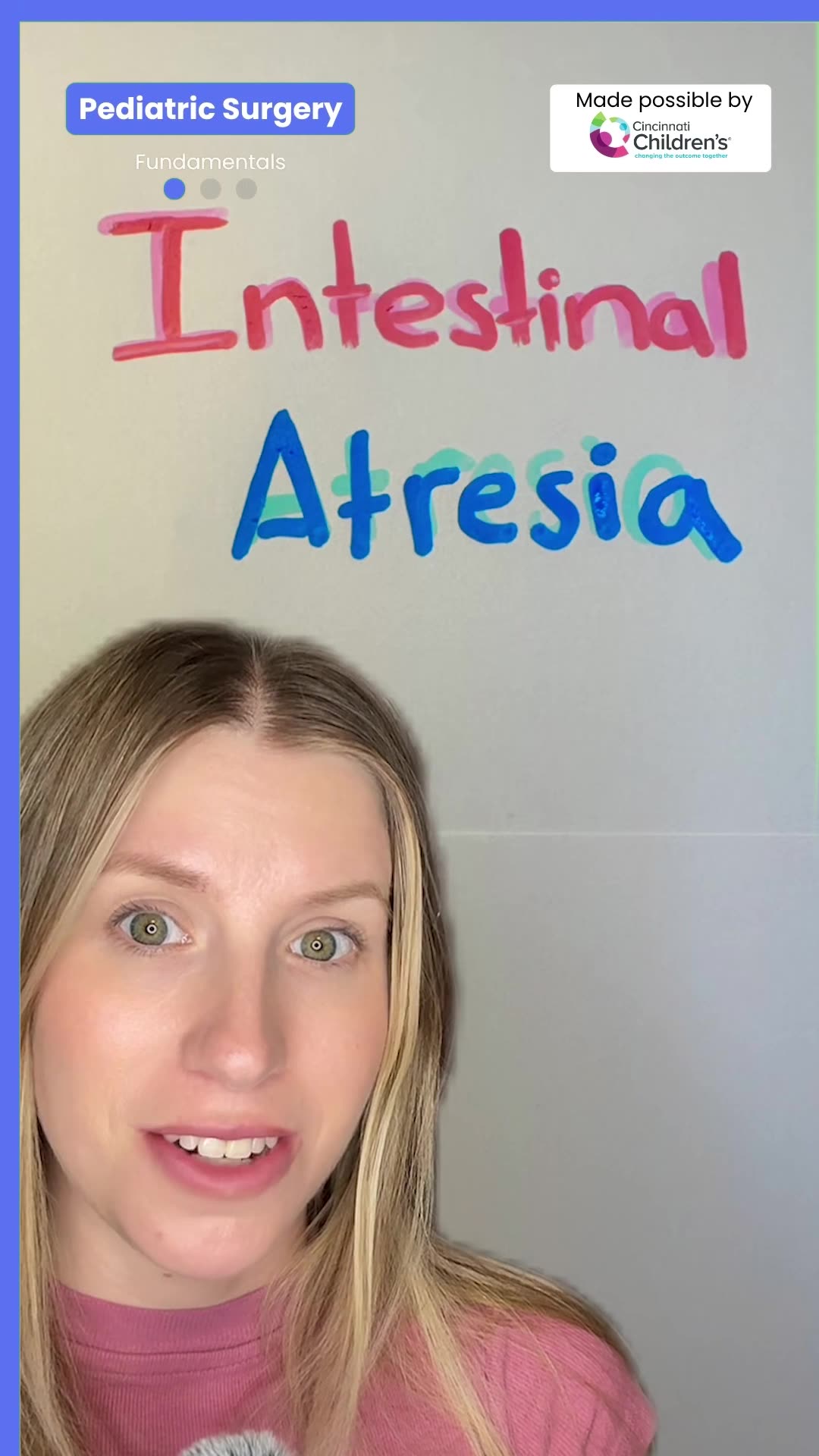
Intestinal Atresia Types Explained: Grossfeld Classification for Pediatric Surgery
1 min · Published Sep 2026
Video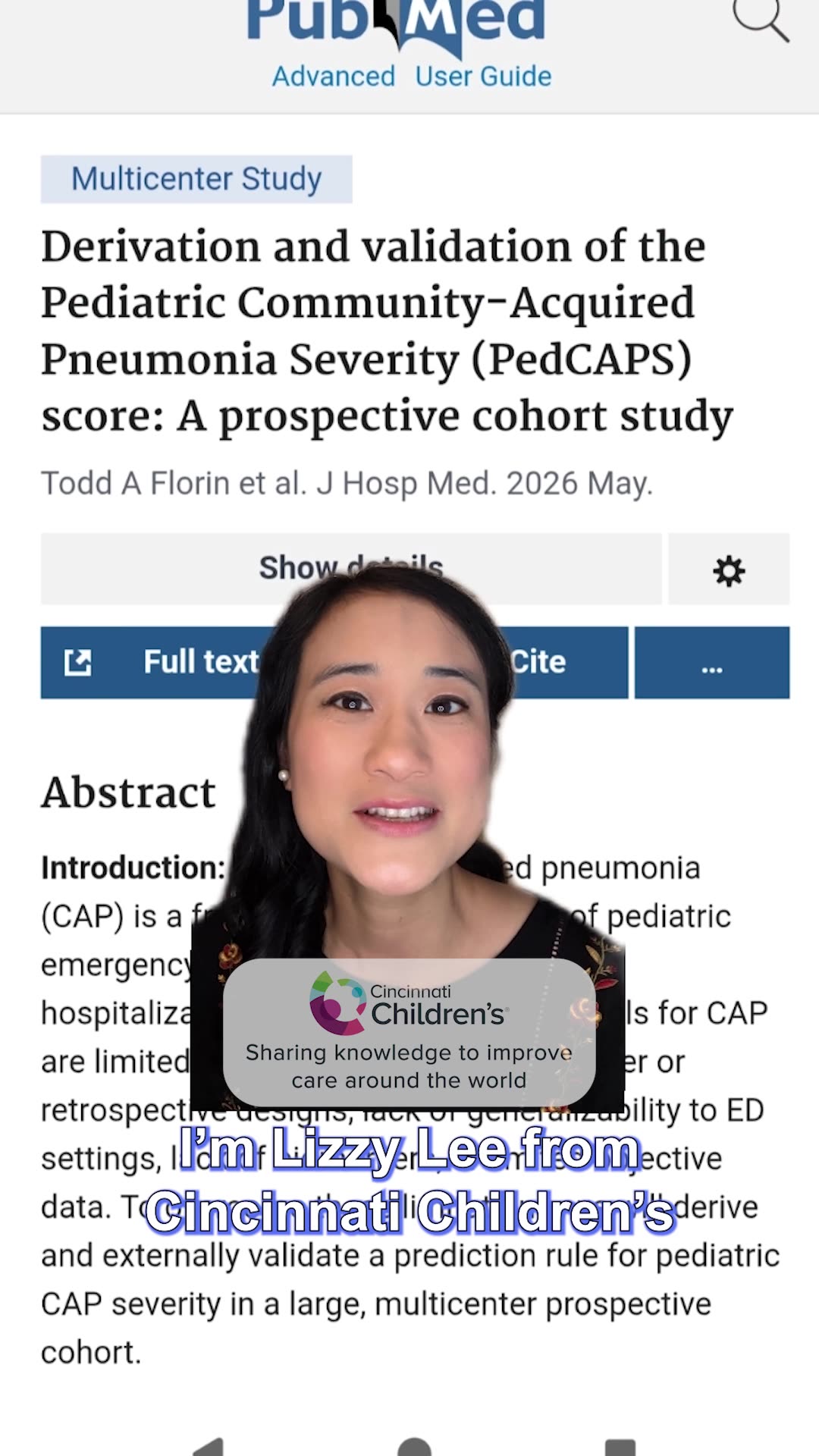
Derivation and validation of the Pediatric Community-Acquired Pneumonia Severity (PedCAPS) score: A prospective cohort study
50 s · Published Sep 2026
Video
FETO for Late-Diagnosed Severe Congenital Diaphragmatic Hernia (CDH) at Cincinnati Children's with Dr. Beth Rymeski
4 min · Published Sep 2026
Video
Severe Congenital Diaphragmatic Hernia (CDH) Case: FETO Management & Unexpected Findings with Dr. Beth Rymeski
3 min · Published Sep 2026
Video
Fetoscopic Endoluminal Tracheal Occlusion (FETO) Procedure: Step-by-Step Guide with Dr. Beth Rymeski
4 min · Published Sep 2026
Video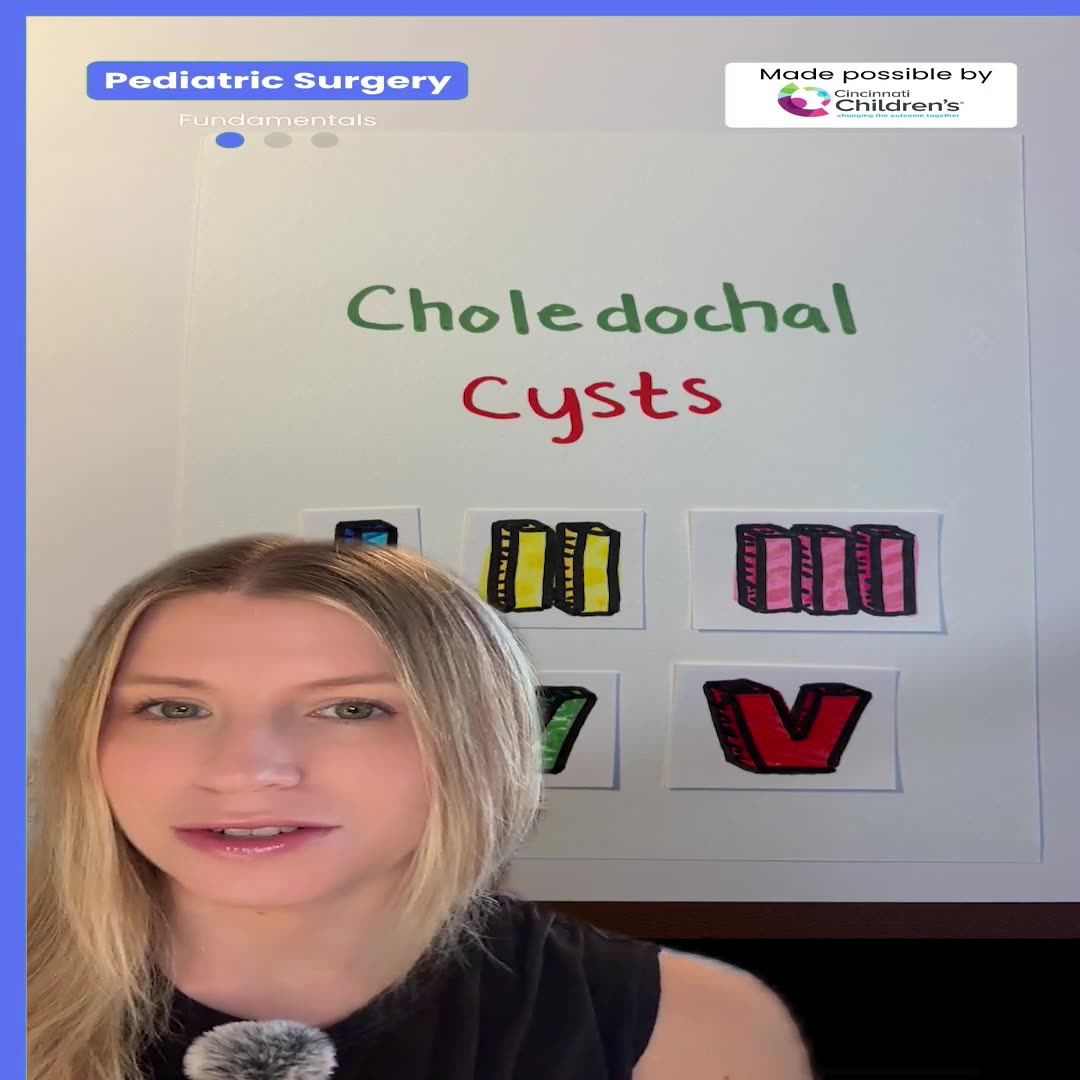
Choledochal Cyst Types Explained: Pediatric Surgery Fundamentals
1 min · Published Sep 2026
What the experts said
Standardization eliminates chance of errors in child abuse evaluation
Providers are terrible at predicting when there was child abuse when relying on subjective judgment
Institutional protocols should mandate automatic child abuse workup for sentinel injuries such as head injury in anyone under six months of age, removing opinion and emotion from the decision
APSA position statement number one: child abuse equals traumatic disease and justifies the resource utilization of a trauma system
APSA supports admission to a surgical trauma service to ensure coordination of care for child abuse patients
APSA supports a multi-disciplinary team for screening, evaluation and management of child abuse patients
APSA recommends creation of a child abuse team as established by the American College of Surgeons and the children surgery verification program
APSA recommends systematic evaluation including checklists and institutional protocols to be followed every time
Any reasonable suspicion of child abuse should be followed by a report to CPS as mandated by law
Transfer to another facility does not absolve the provider of mandatory reporting responsibility for suspected child abuse
APSA emphasizes universal screening with standardized tools applied across the board regardless of socio economic status, race, ethnicity, or gender
Institutional protocols include recognizing sentinel injuries and educating providers at all levels to identify risk factors
APSA recommends data collection using a trauma registry and reporting to national trauma databases for benchmarking and quality improvements
APSA recognizes the existence of abusive head trauma as a recognized form of child physical abuse
Abusive head trauma causes permanent and significant brain damage and neurodevelopmental issues
The term 'shaken baby syndrome' is no longer used for abusive head trauma