

From
Dr. Amr Moursi
Epilepsy Exam Questions for Neurosurgeons | MCQs, Concepts and Key Topics - part 1 out 3
With Dr. Amr Moursi
Part of
Epilepsy 3 items
Chapter 1 of 5
Introduction
Introduction and Structure
Expert statements on this page
No expert statements were drawn from this page.
Host summaries · secondary, not cited in answers
Educational content from recorded physician discussions — not medical advice. Talk to your (or your child's) care team about your situation.
Video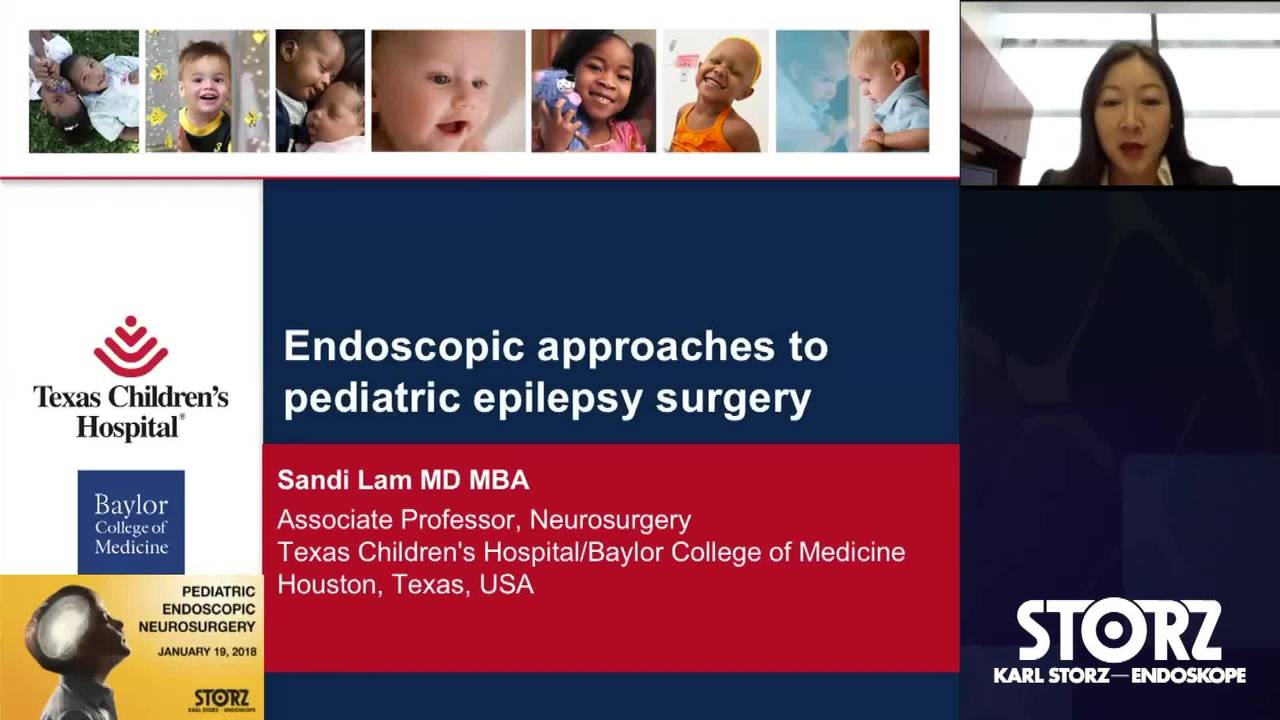
Endoscopic Approaches to Pediatric Epilepsy Surgery: Pediatric Endoscopic...
23 min · Published Jan 2018
Video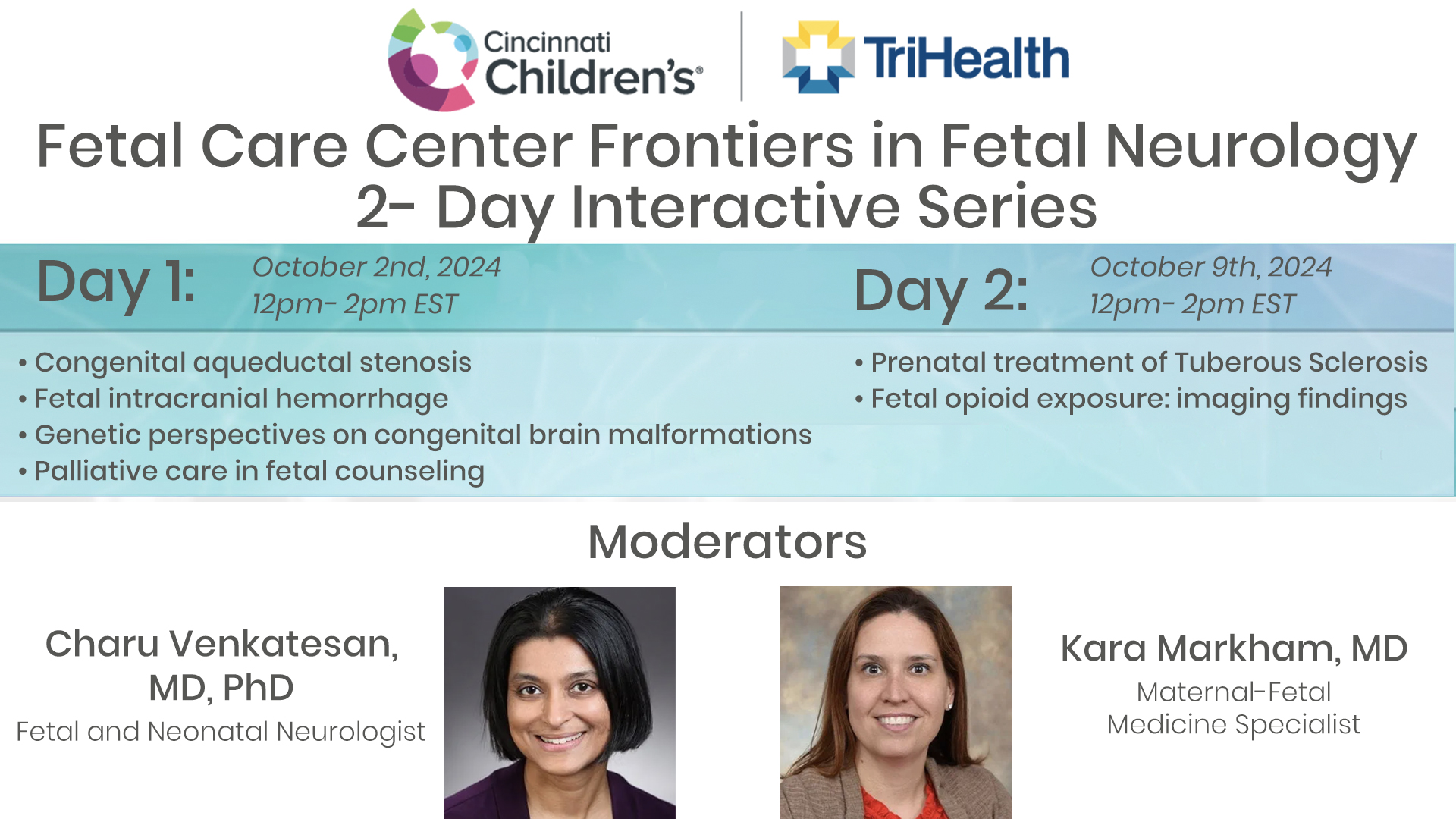
2024 Fetal Care Center Frontiers in Fetal Neurology Day 1 - Dr. Charu Venkatesen
12 min · Published Oct 2024
Video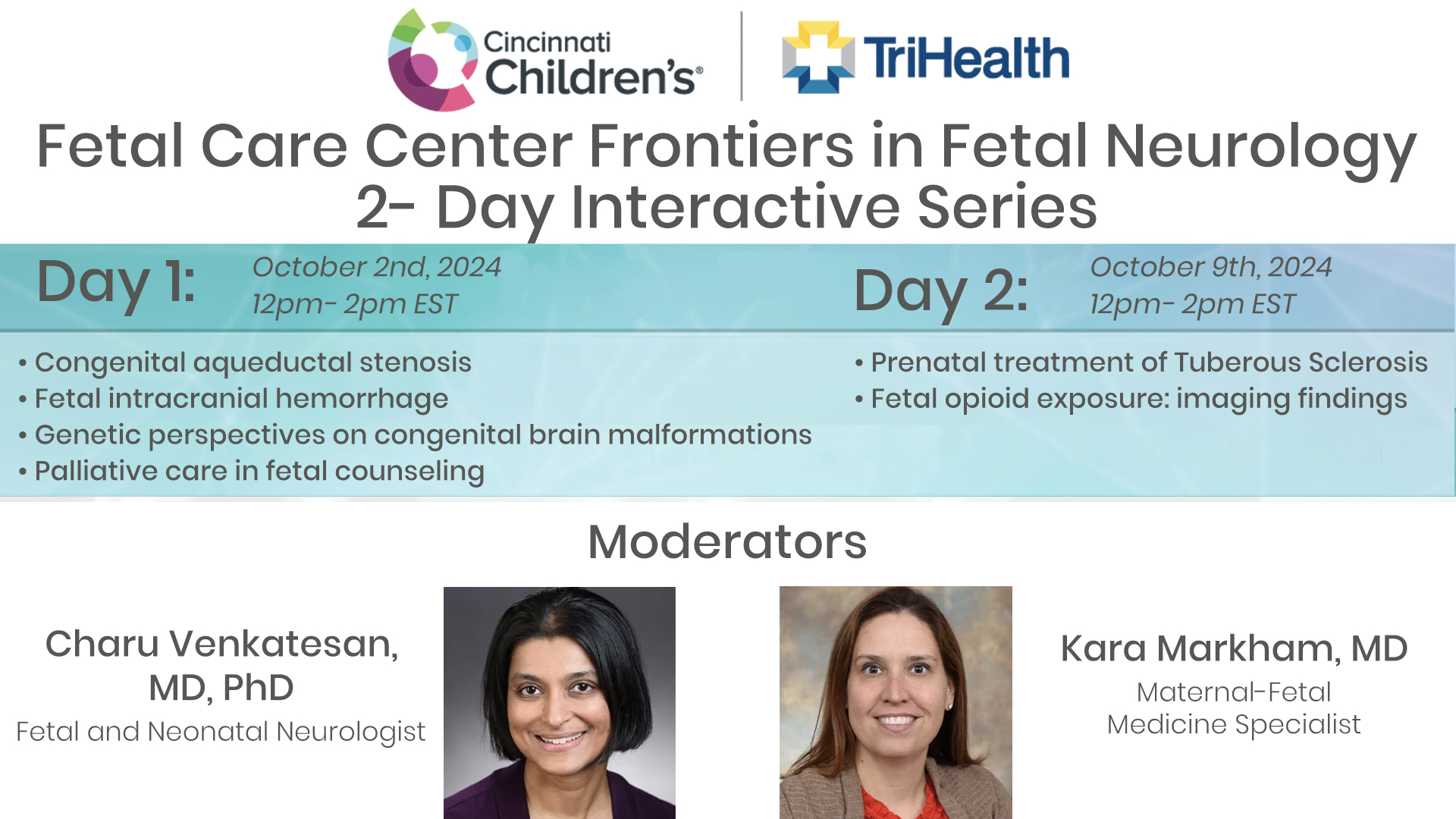
2024 Fetal Care Center Frontiers in Fetal Neurology Day 2 - Hour 1 Q&A
9 min · Published Oct 2024
Video
ERCP: Pancreatic Disease
CCHMC Pediatric Surgery · 9 min · Published Sep 2016
Video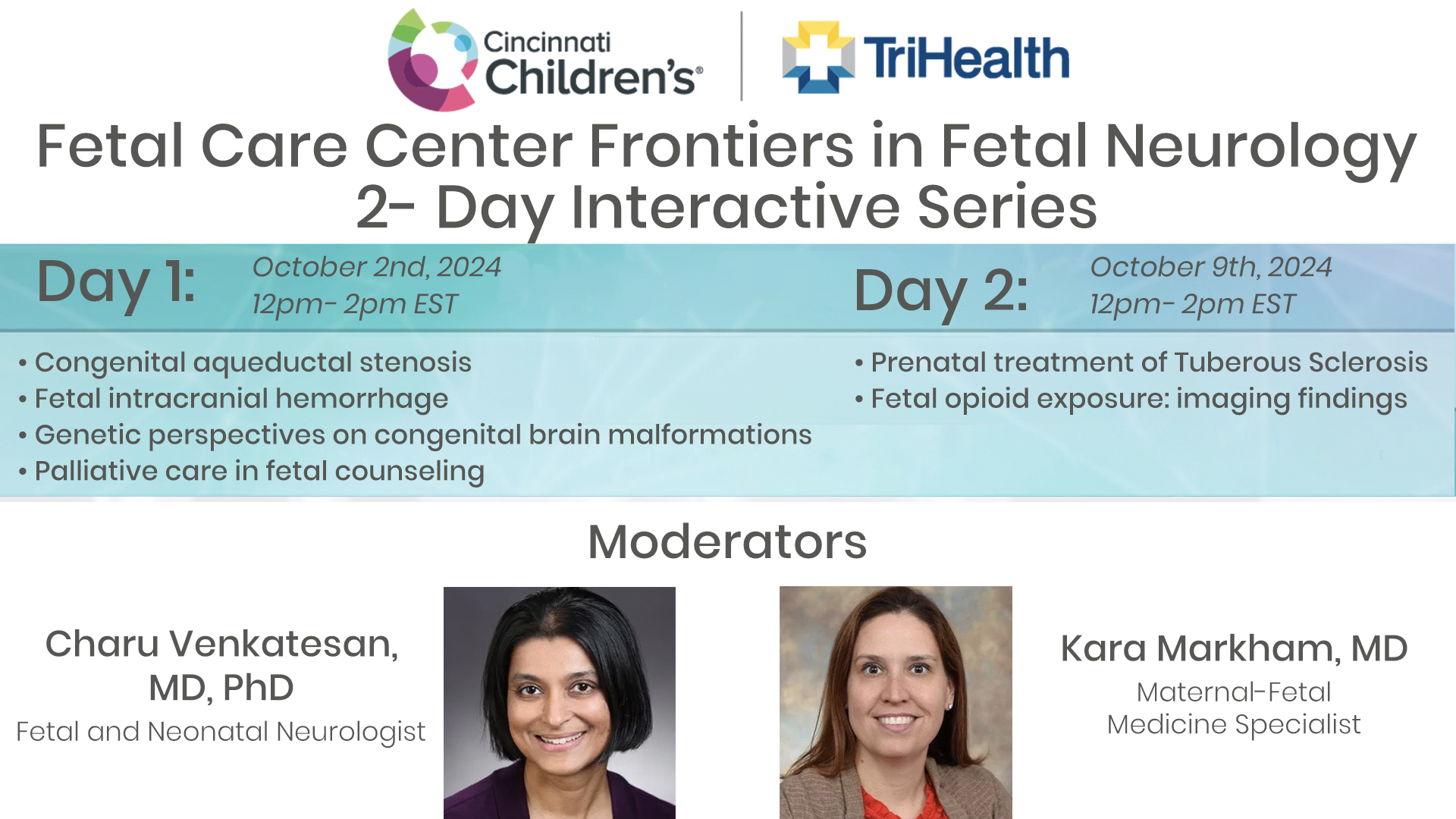
2024 Fetal Care Center Frontiers in Fetal Neurology Day 1 - Dr. Sonika Agarwal
17 min · Published Oct 2024
Video
Acute and Acute Recurrent Pancreatitis: Pancreatic Disease
56 min · Published Sep 2016
Video
Movement Disorder Exam Questions for Neurosurgeons | MCQs, Concepts and Key Topics
Amr Moursi · 9 min · Published Jul 2026
Video
Clinical Training vs Research: The Trade-Off Doctors Must Understand
Amr Moursi · 1 min · Published Jul 2026
Video
Epilepsy Surgery Outcomes Explained 🧠
Amr Moursi · 2 min · Published Jul 2026
Video
FRCS Neurosurgery Exam Explained in 2 Minutes
Amr Moursi · 2 min · Published Jul 2026
Video
The Surgical Window: Why Timing Matters as Much as Skill | Functional Surgery Minute #05
Amr Moursi · 2 min · Published Jul 2026
Video
3 Eras of Parkinson's Surgery: Destroy → Modulate → Respond
Amr Moursi · 2 min · Published Jul 2026
What the experts said
Epilepsy surgery is one of the hardest functional topics in the exam
The best way to understand epilepsy surgery is to follow the structure: Diagnose, Investigate, Operate
Two seizures are required to diagnose epilepsy
Two failed appropriate drugs are required before referring for surgical assessment
Absence epilepsy has a characteristic 3 Hz spike-and-wave pattern on EEG
Lennox-Gastaut syndrome has a slow 1.5-2.5 Hz spike-and-wave pattern on EEG
Juvenile myoclonic epilepsy has a 4-6 Hz polyspike-and-wave pattern on EEG
West syndrome is characterized by spasms, hypsarrhythmia, and developmental regression
Hypothalamic hamartoma presents with gelastic seizures and precocious puberty
Seizure classification includes focal, generalised, and unknown onset types
Clinical seizure sequence can help localise and lateralise the seizure focus
Normal posterior alpha rhythm is a recognized EEG pattern
Frontal beta activity is a recognized EEG pattern
Hypsarrhythmia is a recognized pathological EEG pattern
Burst suppression is a recognized pathological EEG pattern
Depth or stereo EEG and subdural grids are electrode types used in epilepsy evaluation