


From
Live Event Content
2024 Fetal Care Center Frontiers in Fetal Neurology Day 1 - Hour 2 Q&A
With Dr. Dawn Gano & Dr. Sonika Agarwal
Chapter 1 of 4 · Evidence & Research
TTTS outcomes
Twin-to-twin transfusion syndrome outcomes after fetoscopic laser surgery
Expert statements on this page
No expert statements were drawn from this page.
Host summaries · secondary, not cited in answers
Educational content from recorded physician discussions — not medical advice. Talk to your (or your child's) care team about your situation.
Video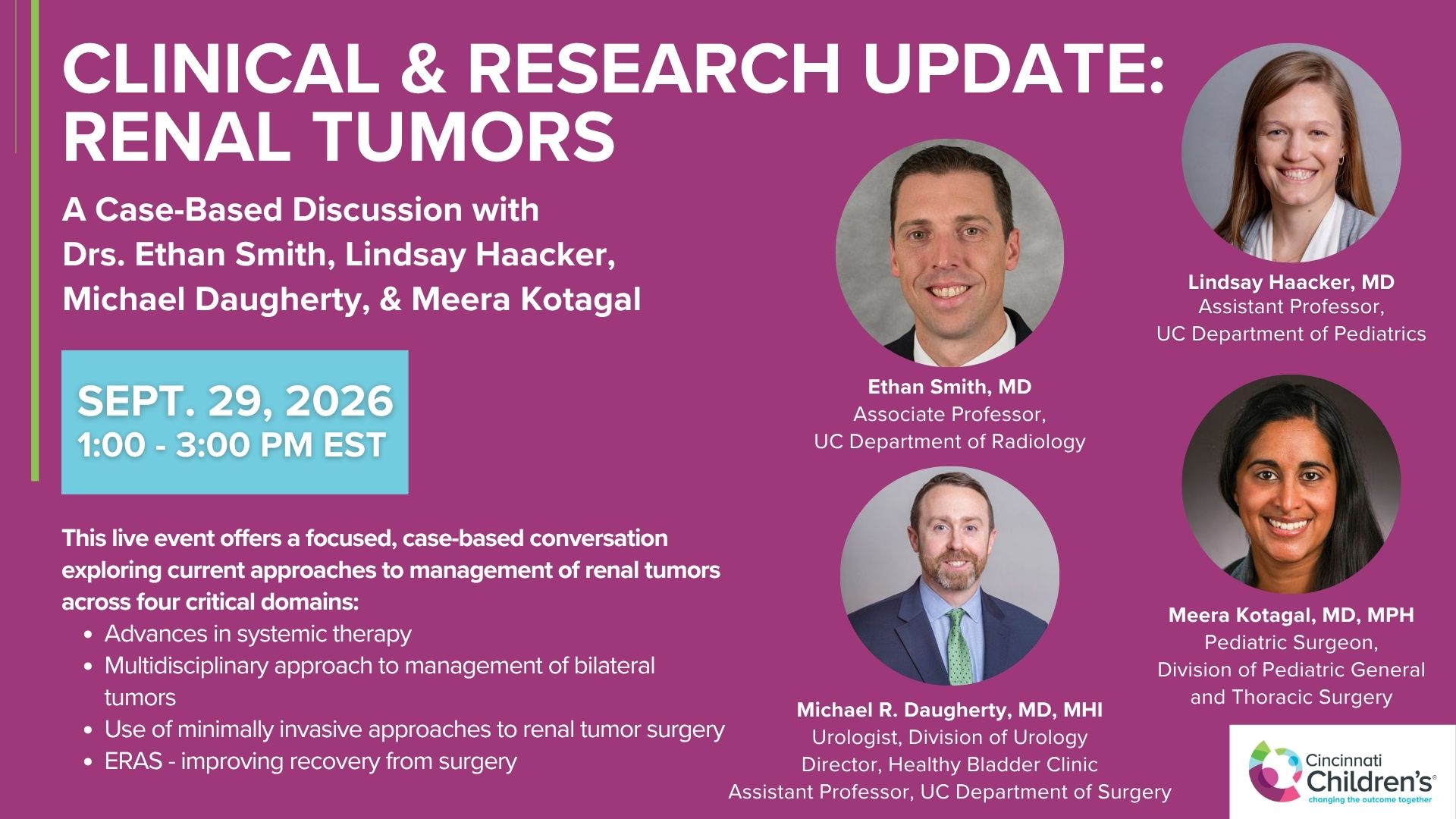
Clinical & Research Update: Renal Tumors with Drs. Ethan Smith, Lindsay Haacker, Michael Daugherty, and Meera Kotagal
71 min · Published Sep 2026
Video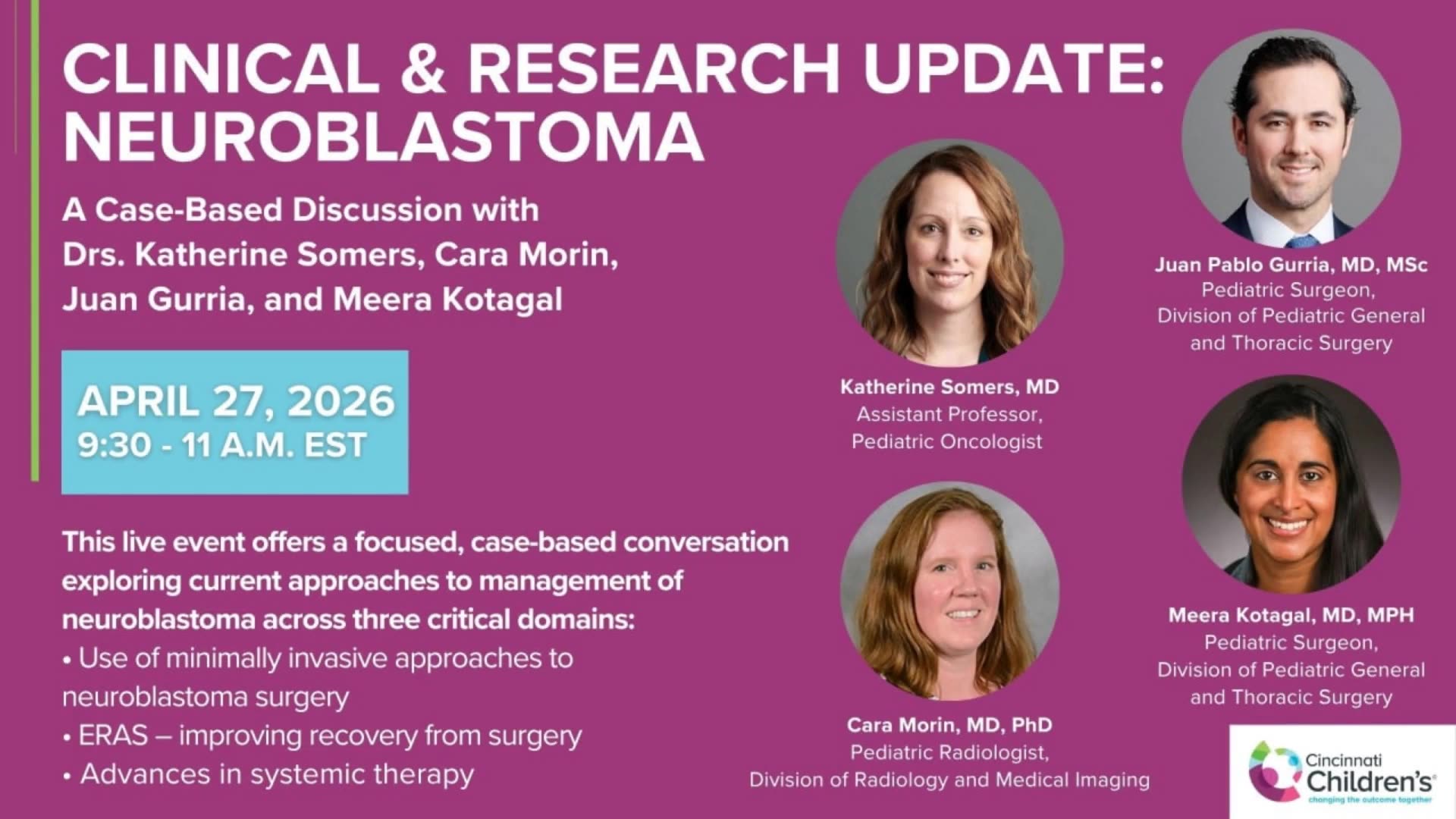
Clinical & Research Update: Neuroblastoma with Drs. Katherine Somers, Cara Morin, Juan Gurria, and Meera Kotagal
67 min · Published Sep 2026
Video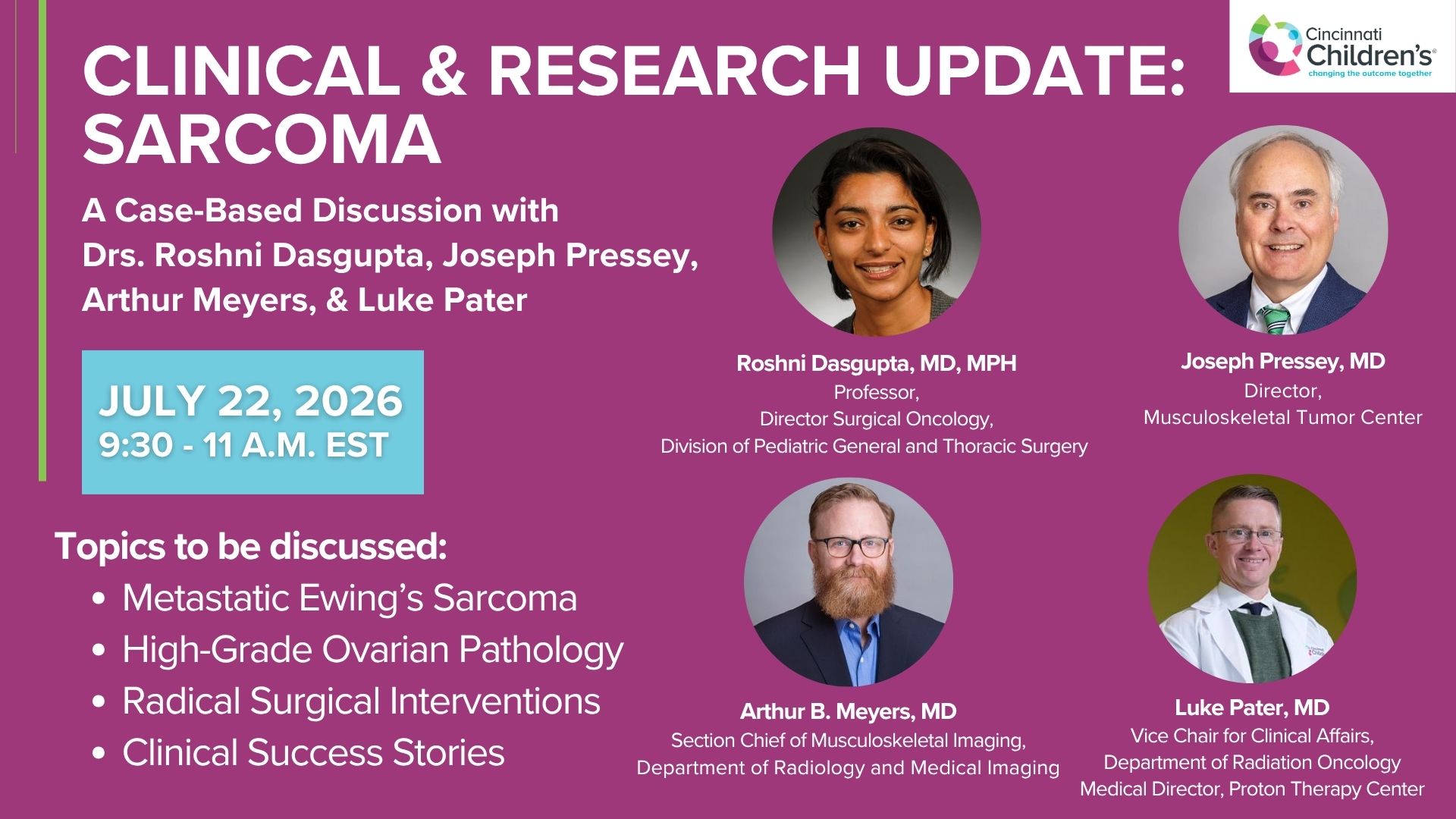
Clinical & Research Update: Sarcoma w/ Drs. Roshni Dasgupta, Joseph Pressey, Arthur Meyer, Luke Pater
66 min · Published Sep 2026
Video
2026 Laparoscopic Pediatric Hernia Repair
123 min · Published Jun 2026
Video
Beyond the Spectrum: Diagnosis, Myths & Management - Caitlin Couch & Leslie Lopez - APP Conference 2026
50 min · Published May 2026
Video
Dysautonomia: Navigating the Journey - Martha Willis - APP Conference 2026
55 min · Published May 2026
What the experts said
Most imaging studies reported in twin-to-twin transfusion are ultrasound-based, reporting in a meta-analysis a 2% rate of intracranial abnormalities (whether acquired acute injury, remote injury, or malformation secondary to remote injury).
Higher rates of brain injury are seen by MRI both in fetal MRI studies and studies of neonatal neuroimaging following a complicated twin pregnancy compared to ultrasound-based reporting.
Rates of brain injury after amnio reduction range from 6 to 38%.
After laser surgery for twin-to-twin transfusion, the estimated range of brain injury by MRI is about 8 to 18%.
Rates of cerebral palsy after laser surgery for twin-to-twin transfusion vary from about 3 to 12%.
Any neurodevelopmental impairment after laser surgery for twin-to-twin transfusion occurs in up to about 20% of cases.
After treatment with fetal laser surgery for twin-to-twin transfusion, about two-thirds have survival with no early neurodevelopmental impairment.
There is ongoing risk for brain injury even after laser surgery for twin-to-twin transfusion because there could be reanastomosis or co-twin demise.
There is an inverse relationship between risk of brain injury and gestational age at birth in twin-to-twin transfusion cases.
Charlotte's Web is a cannabis oil that families buy over the counter.
Neurologists do not recommend over-the-counter cannabis oils.
When counseling patients with severe abnormalities (genetic or structural), there is a tendency to focus on the risk of death, but clinicians must also prepare families for the chance of survival and what that looks like both short-term and long-term.
Parent decision-making evolves after seeing the child and cannot be determined solely by discussions at 24 weeks, 36 weeks, or even at the time of birth.
Hard conversations about care decisions need to be repeated again and again as parents see how the child is doing in the days or weeks after birth.
Child neurologists meeting families prenatally do not have an established relationship, making it challenging to convey information.
Following families through their neonatal period, postnatal period, and sometimes into adulthood is incredibly rewarding but not always possible at many centers.
Studies have shown that while many families have been pleased with their fetal experience, they struggle once they enter the NICU and beyond, feeling like they have lost their support system.
Writing a note in the electronic medical record with all details of medical care that aligns with the birth plan is helpful for continuity of care.
Even with the same Epic system, electronic medical records do not all communicate with each other, requiring providers to manually route notes to obstetricians.
Ensuring continuity of care through birth plans is labor intensive and by no means foolproof.