


Chapter 1 of 7 · Fundamentals
Framework overview
Introduction and Framework for Obesity Tools
Expert statements on this page
No expert statements were drawn from this page.
Host summaries · secondary, not cited in answers
Educational content from recorded physician discussions — not medical advice. Talk to your (or your child's) care team about your situation.
Video
AAP Policy for Adolescent Bariatric Surgery: Pediatric Obesity 2017
27 min · Published Feb 2018
Video
Clinical Research Facilitators, Barriers, and Preferences of Parents of Children With Overweight...
41 s · Published Aug 2026
Video
Taking the Battle Out of Getting Kids to Eat Healthier and Move More: Child &...
69 min · Published Jul 2017
Video
Rapid Fire and Conclusion: Pediatric Obesity 2017
23 min · Published Feb 2018
Video
Marc Michalsky, MD - 2024 Pediatric Bariatric Surgery Update Course
14 min · Published Feb 2024
Video
Stephanie Walsh, MD - 2024 Pediatric Bariatric Surgery Update Course
16 min · Published Feb 2024
Only a few other public items share this expert — go deeper there →
Video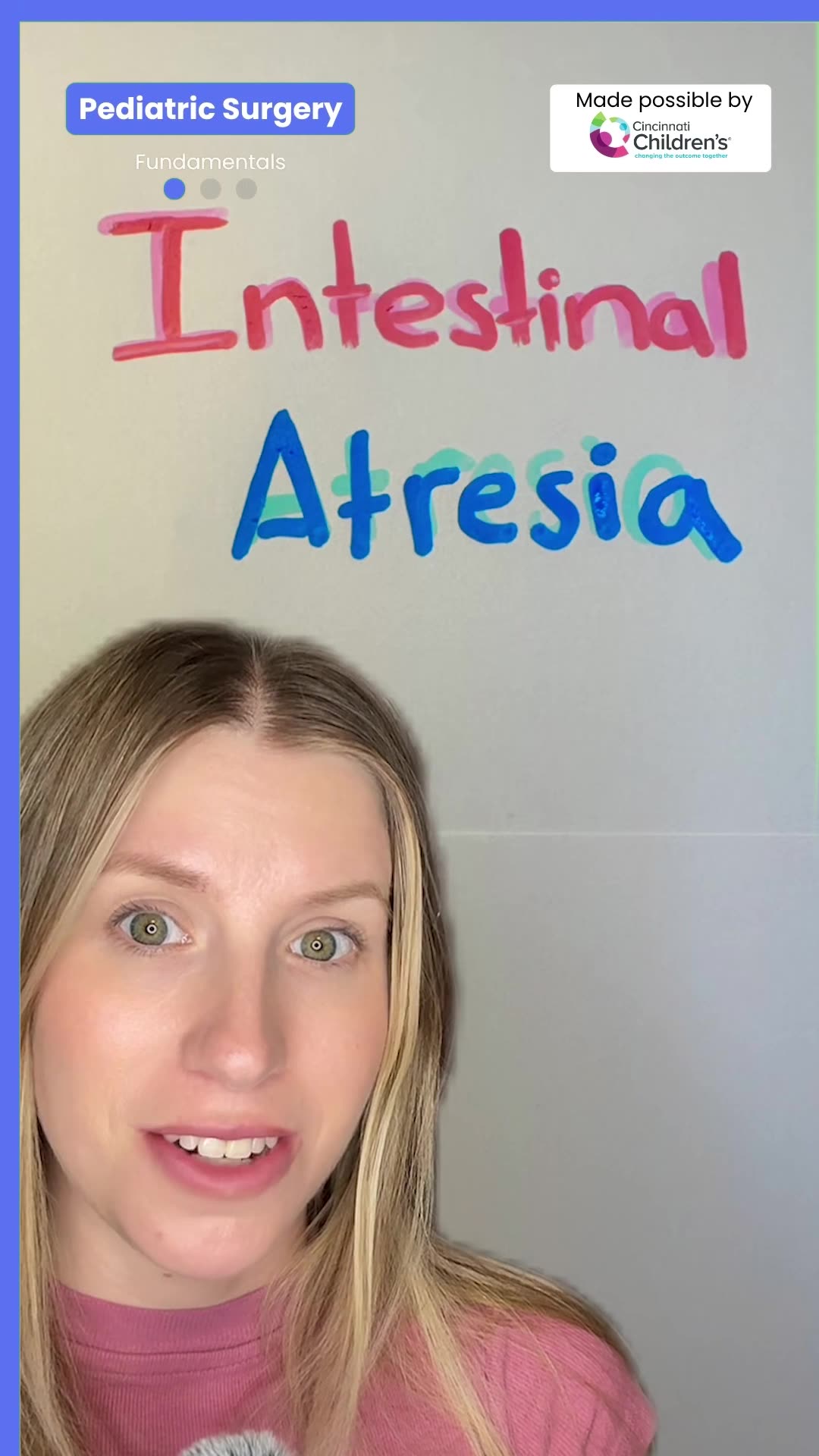
Intestinal Atresia Types Explained: Grossfeld Classification for Pediatric Surgery
1 min · Published Sep 2026
Video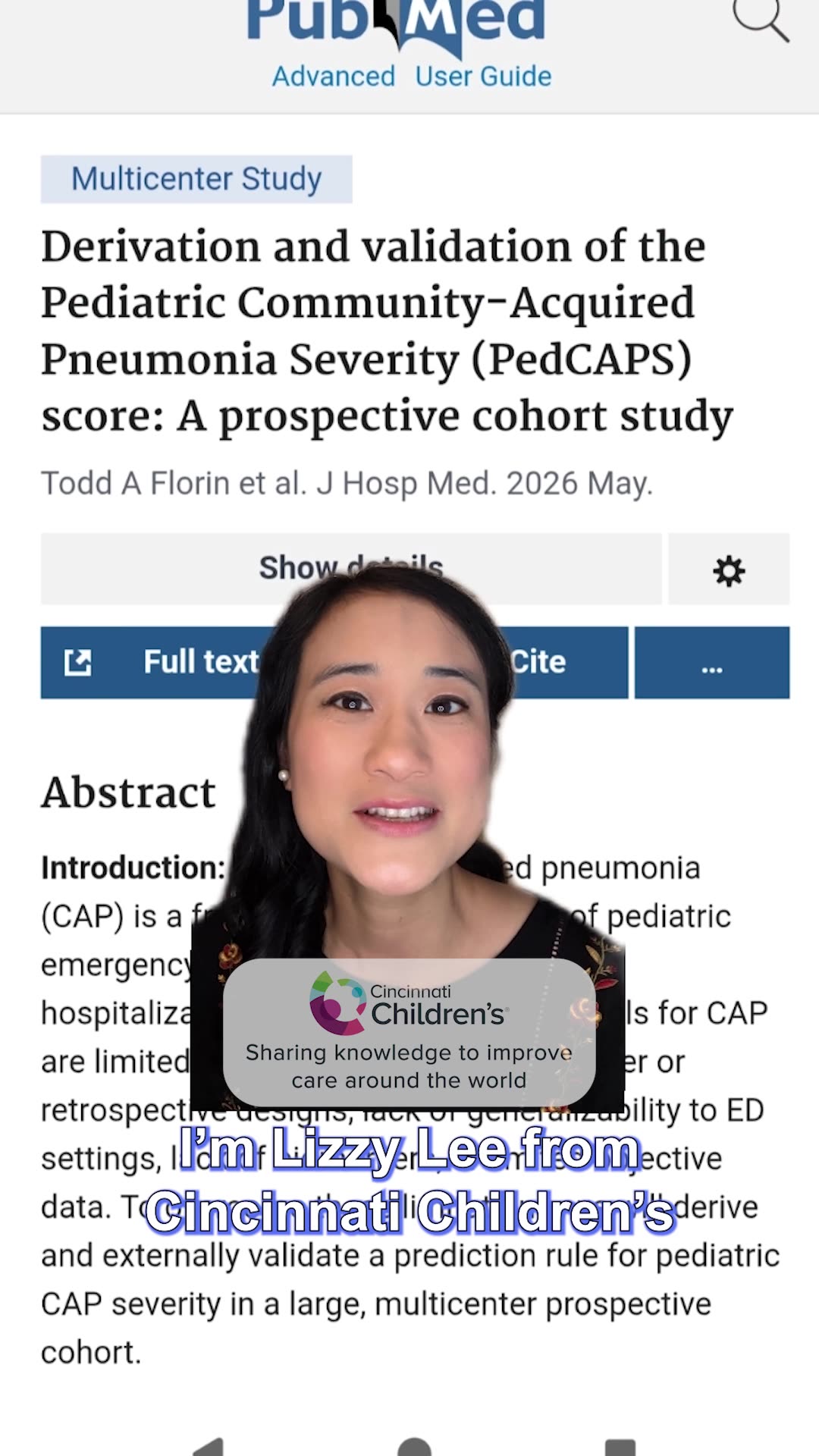
Derivation and validation of the Pediatric Community-Acquired Pneumonia Severity (PedCAPS) score: A prospective cohort study
50 s · Published Sep 2026
Video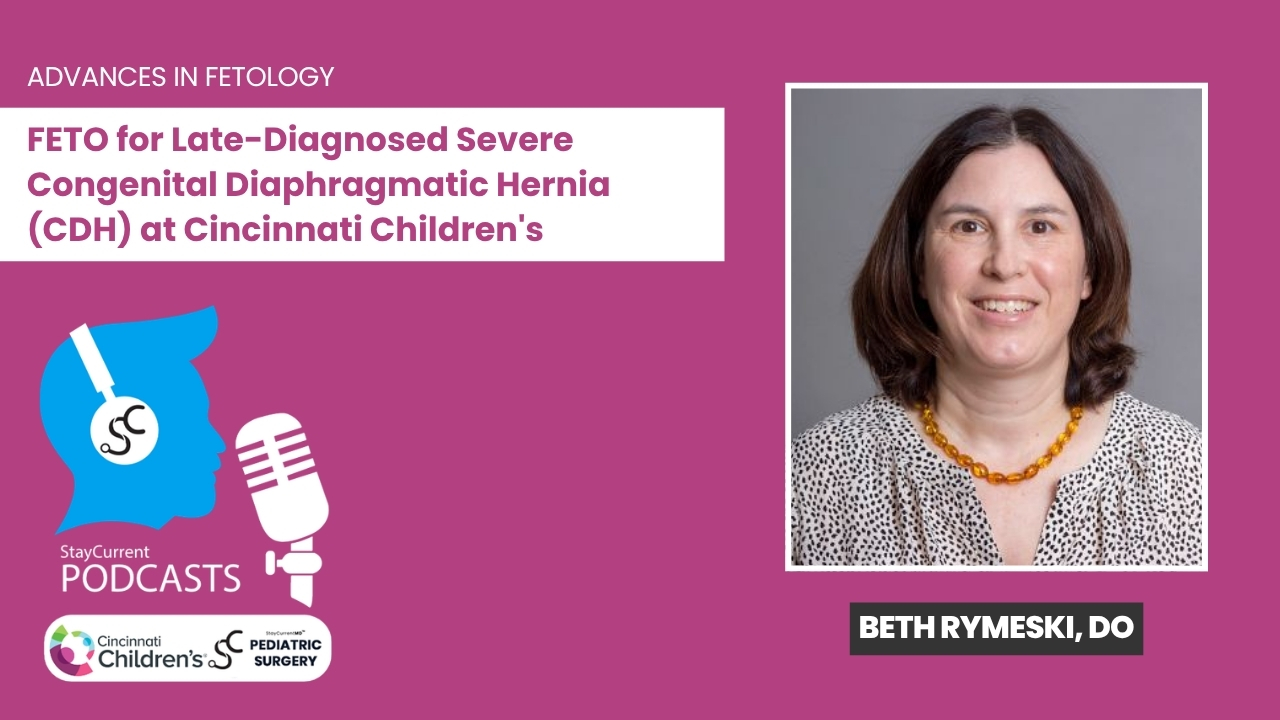
FETO for Late-Diagnosed Severe Congenital Diaphragmatic Hernia (CDH) at Cincinnati Children's with Dr. Beth Rymeski
4 min · Published Sep 2026
Video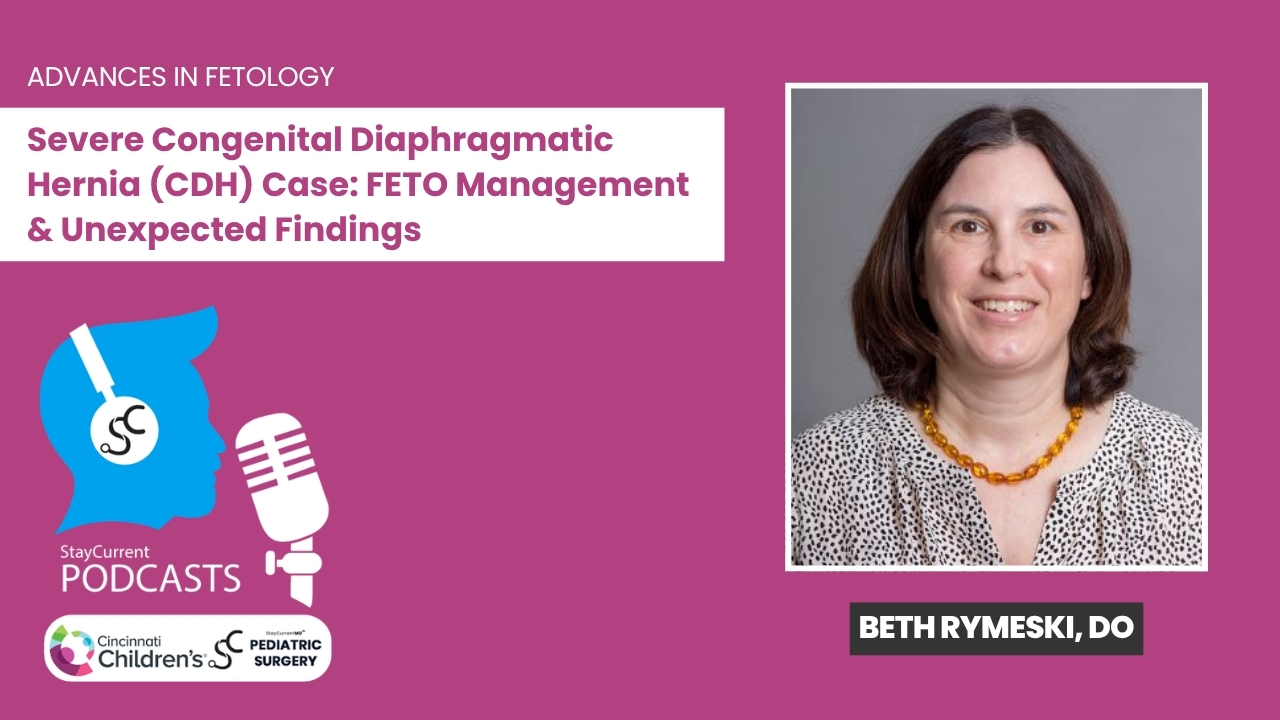
Severe Congenital Diaphragmatic Hernia (CDH) Case: FETO Management & Unexpected Findings with Dr. Beth Rymeski
3 min · Published Sep 2026
Video
Fetoscopic Endoluminal Tracheal Occlusion (FETO) Procedure: Step-by-Step Guide with Dr. Beth Rymeski
4 min · Published Sep 2026
Video
Choledochal Cyst Types Explained: Pediatric Surgery Fundamentals
1 min · Published Sep 2026
What the experts said
The 2007 AAP guidelines form the framework for obesity treatment tools, organizing interventions by age and obesity severity (85th-94th percentile, 95th-98th percentile, 99th percentile, and above 99th percentile).
Obesity treatment exists on a spectrum from prevention and healthy lifestyle promotion through surgical intervention, with practice capacity, resources, and community needs determining where a practice operates on this spectrum.
The pyramid model of obesity intervention shows progressively fewer patients requiring increasingly intensive interventions as severity increases, with universal prevention at the base and severe obesity treatment at the apex.
Let's Go Maine (letsgo.org) is the origin of the 5-2-1-0 prevention messaging and provides toolkits, community interaction strategies, office materials including posters and logos for practices implementing prevention programs.
The AAP Pediatric e-Practice (PEP) at pep.aap.org is a virtual office tool jointly created by AAP and the Institute for Healthy Childhood Weight, organizing resources by office location (exam room, waiting room, billing office) and topic area.
Healthy Active Living for Families (HALF) on healthychildren.org provides age-organized nutrition guidance, physical activity recommendations, and parenting strategies for all families, with strong obesity prevention messaging.
Motivational interviewing training is the cornerstone counseling skill for pediatricians doing weight management, and can be obtained through schools of public health, nursing, health education, or motivationalinterviewing.org, regardless of whether the course is weight-specific.
Motivational interviewing addresses the 'why' of behavior change while cognitive behavioral therapy (CBT) strategies address the 'how,' and elements of both are helpful in weight management.
The Cognito Change Talk app and desktop site, developed with Bob Schwartz from the Section on Obesity, provides free pediatric obesity-specific motivational interviewing training.
Content for obesity prevention should be personalized to the practice, use local vernacular and logo, and reference locally available resources rather than generic national programs that may not exist in the community.
The Super Tracker tool on ChooseMyPlate.gov allows families to track physical activity and food intake, find recipes, and compare their eating patterns to age-appropriate recommendations.
ChopChop magazine (chopchopmag.org), created by the Institute for Healthy Childhood Weight and New Balance Foundation, promotes fruit and vegetable intake based on the principle that children are more likely to eat foods they help prepare.
Activity tracking devices (Fitbit, pedometers, accelerometers) and food tracking apps (MyFitnessPal, Lose It) are appropriate tools to recommend for certain families in obesity treatment.
For higher-level obesity care, pediatricians need to develop expertise in managing comorbidities including interpreting elevated hemoglobin A1C, blood glucose, and abnormal lipid profiles, functioning more like internists.
Obesity contacts at tertiary care centers may reside in multiple divisions including gastroenterology, endocrinology, GI, cardiology, and psychology, requiring providers to search across departments.
The Next Steps program uses 17 behavioral goals; Foley's adapted version focuses on 8 core goals including the 5-2-1-0 behaviors plus restricting eating out to 3 times weekly, portion control, healthy snacks, and eating breakfast.
Super Tracker resources allow families to obtain age-appropriate eating plans and perform self-monitoring by entering food intake to compare against recommendations, though not all families will use all available tools.
Starting with topics where the clinician feels comfortable (such as sugar-sweetened beverages, screen time, or sleep) and gradually expanding to other areas is an effective approach for implementing obesity care in practice.