


From
StayCurrentMD
Efficacy of Neoadjuvant Chemotherapy on Nephron-Sparing Surgery for Wilms Tumor in Horseshoe Kidney
Part of
Pediatric Oncology 696 items
jpedsurg.org shows its articles on its own site.
Read the article on jpedsurg.org ↗Article · Apr 2024 · 1 min read
In brief
In brief
This commentary addresses surgical decision-making for Wilms tumor in horseshoe kidney, emphasizing that nephron-sparing approaches must preserve >50% of renal parenchyma to avoid functional equivalent of nephrectomy. The authors contribute to ongoing discussion about standardizing feasibility criteria for partial nephrectomy in this anatomic variant.
- Nephron-sparing surgery for Wilms tumor in horseshoe kidney requires >50% parenchymal preservation to avoid functional unilateral nephrectomy.
- Removing one renal moiety plus isthmus in horseshoe kidney is functionally equivalent to complete nephrectomy in normal two-kidney anatomy.
- Standardized feasibility criteria are needed to guide nephron-sparing approaches in horseshoe kidney Wilms tumor cases.
- Anatomic considerations in horseshoe kidney demand higher preservation thresholds than conventional partial nephrectomy for Wilms tumor.
Written by the GCMD Library team from the article.
The recent call for the development of standardized criteria to guide the feasibility of nephron-sparing surgery (NSS) for Wilms tumor (WT) in horseshoe kidney [1] stimulated us to share our thoughts on the subject. Amongst the proposed criteria, the authors appropriately included >50% preservation of the remaining renal parenchyma. This is actually the minimum requirement to be met in NSS for horseshoe kidney, given that the removal of one-half along with half a portion of the connecting isthmus equals unilateral nephrectomy in the normal (two-kidney) population.
Educational content from recorded physician discussions — not medical advice. Talk to your (or your child's) care team about your situation.
Video
Oncology Tumor Board Showdown: Pediatric Oncology 5 Question Quiz
1 min · Published Oct 2026
Article
Minimally invasive surgery for abdominal and thoracic neuroblastic tumors: A systematic review by the APSA Cancer committee
Juan Pablo Gurria · Published Oct 2026
Video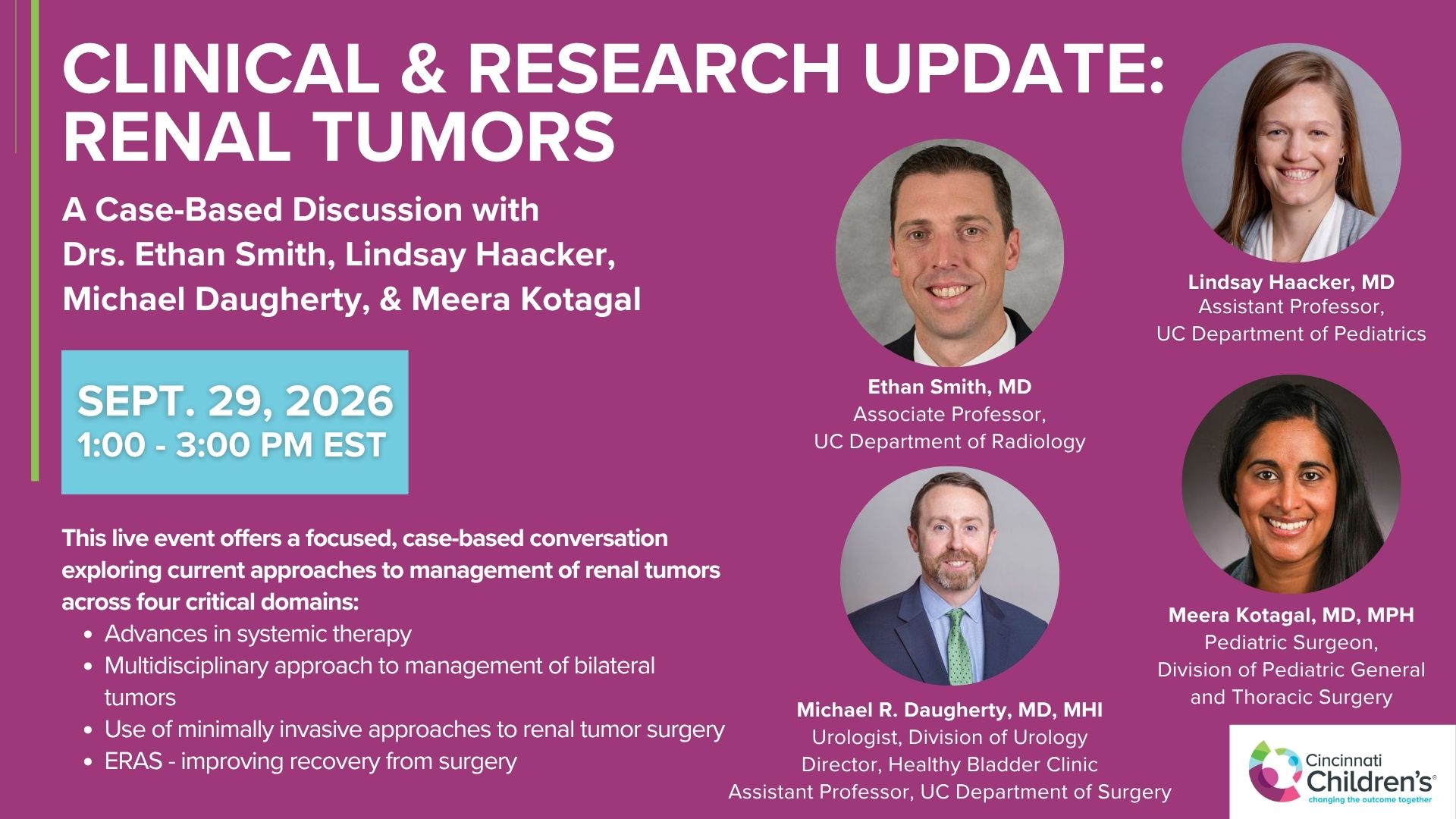
Clinical & Research Update: Renal Tumors with Drs. Ethan Smith, Lindsay Haacker, Michael Daugherty, and Meera Kotagal
71 min · Published Sep 2026
Video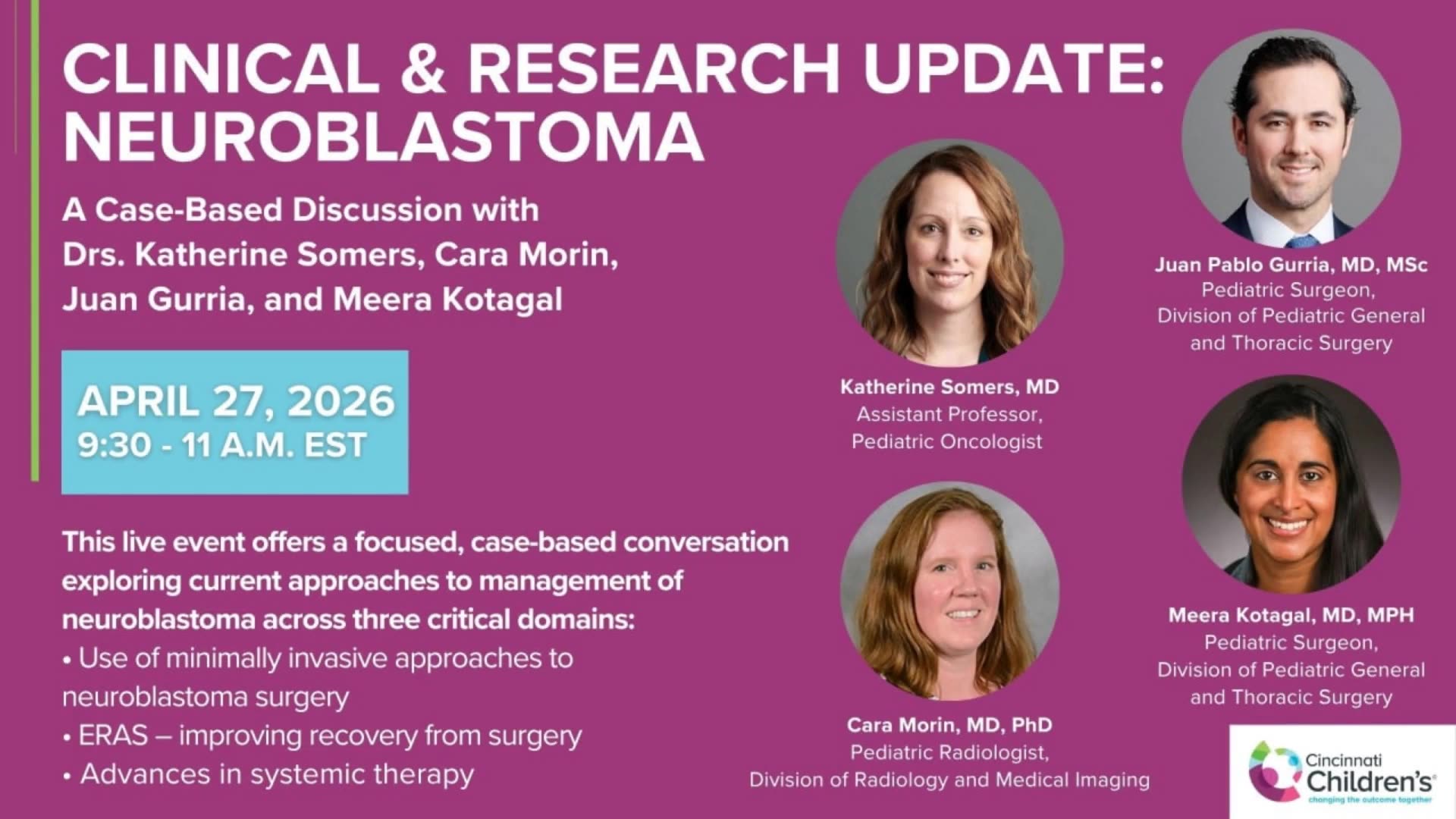
Clinical & Research Update: Neuroblastoma with Drs. Katherine Somers, Cara Morin, Juan Gurria, and Meera Kotagal
67 min · Published Sep 2026
Video
Clinical & Research Update: Sarcoma w/ Drs. Roshni Dasgupta, Joseph Pressey, Arthur Meyer, Luke Pater
66 min · Published Sep 2026
Video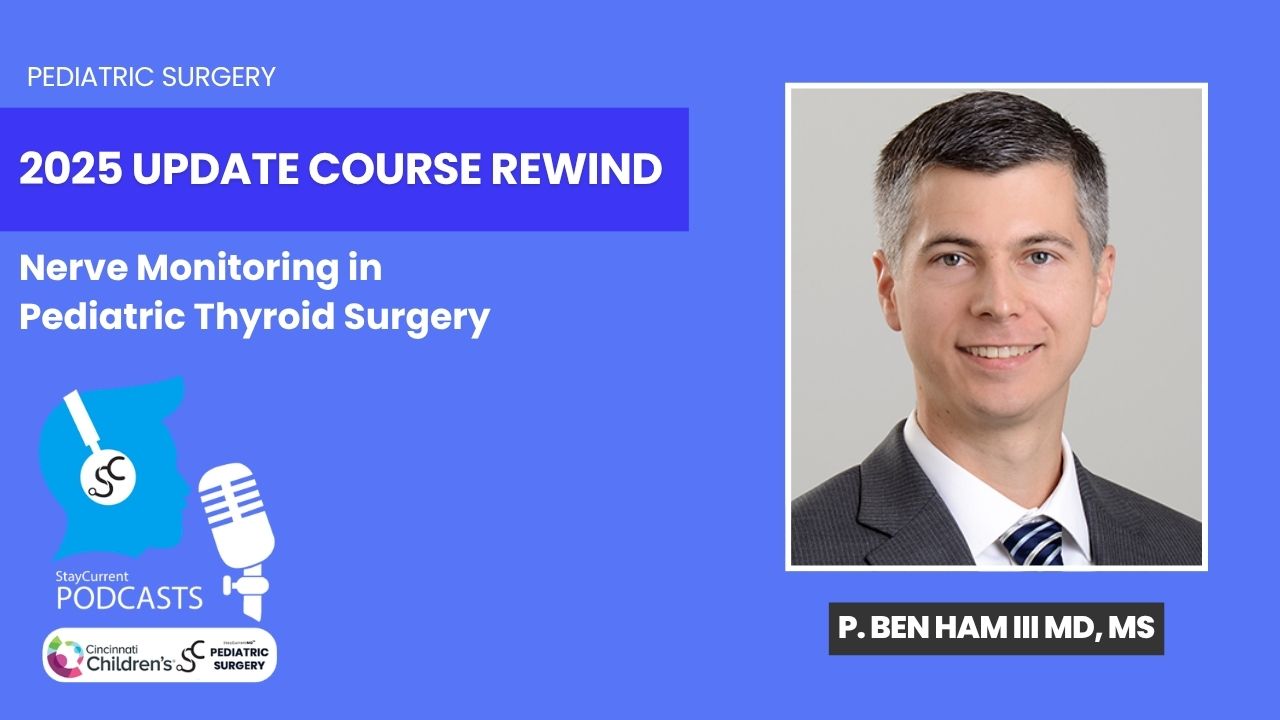
Update Course Rewind 2025: Nerve Monitoring in Pediatric Thyroid Surgery
6 min · Published Jul 2026
Video
Intestinal Atresia Types Explained: Grossfeld Classification for Pediatric Surgery
1 min · Published Sep 2026
Video
Derivation and validation of the Pediatric Community-Acquired Pneumonia Severity (PedCAPS) score: A prospective cohort study
50 s · Published Sep 2026
Video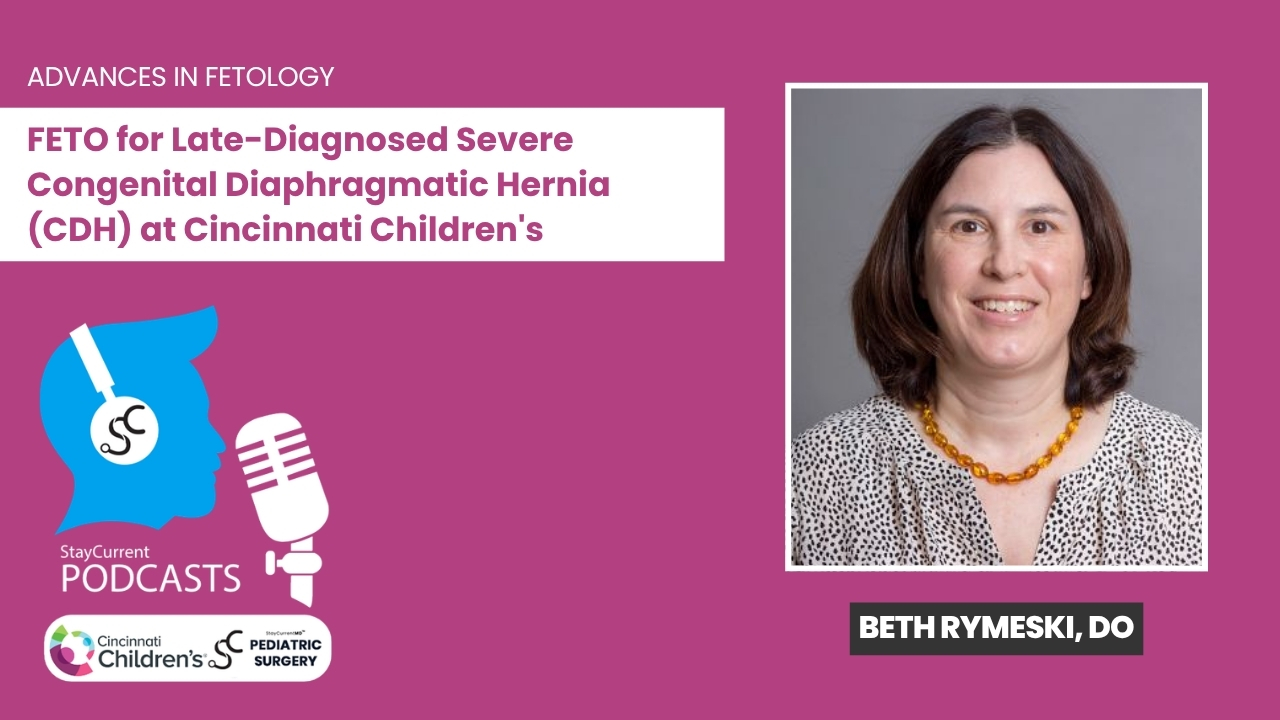
FETO for Late-Diagnosed Severe Congenital Diaphragmatic Hernia (CDH) at Cincinnati Children's with Dr. Beth Rymeski
4 min · Published Sep 2026
Video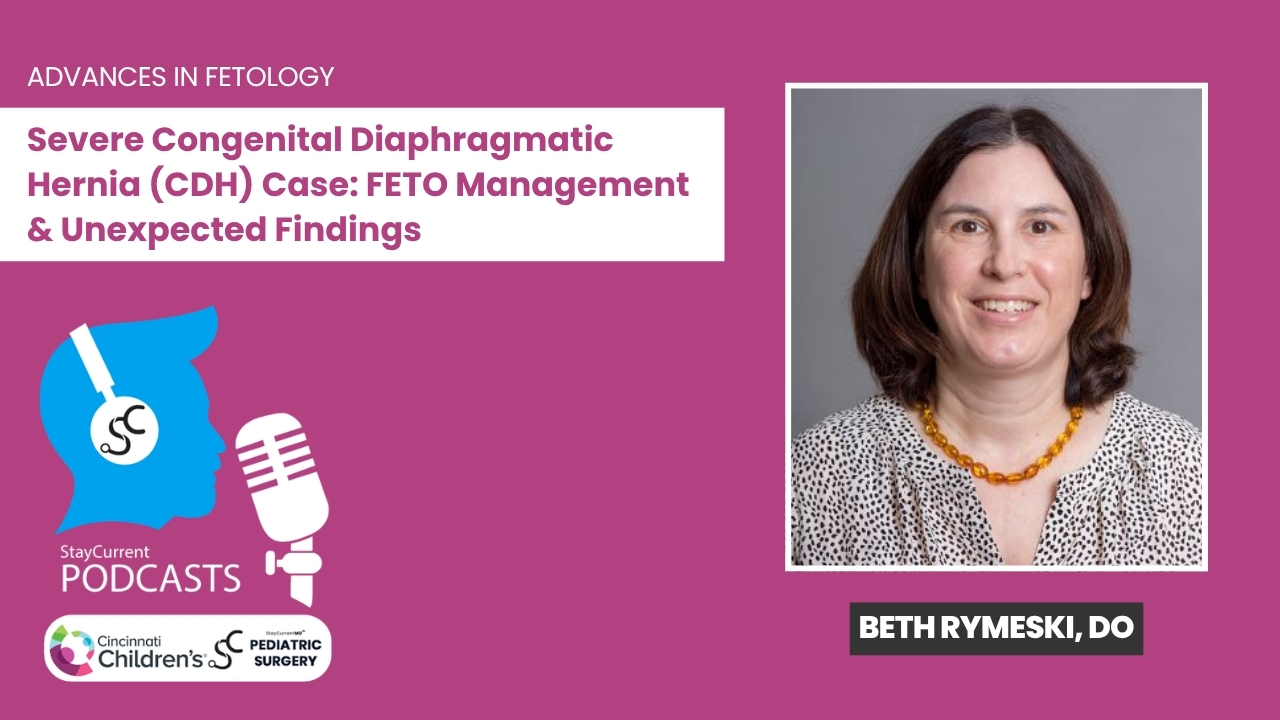
Severe Congenital Diaphragmatic Hernia (CDH) Case: FETO Management & Unexpected Findings with Dr. Beth Rymeski
3 min · Published Sep 2026
Video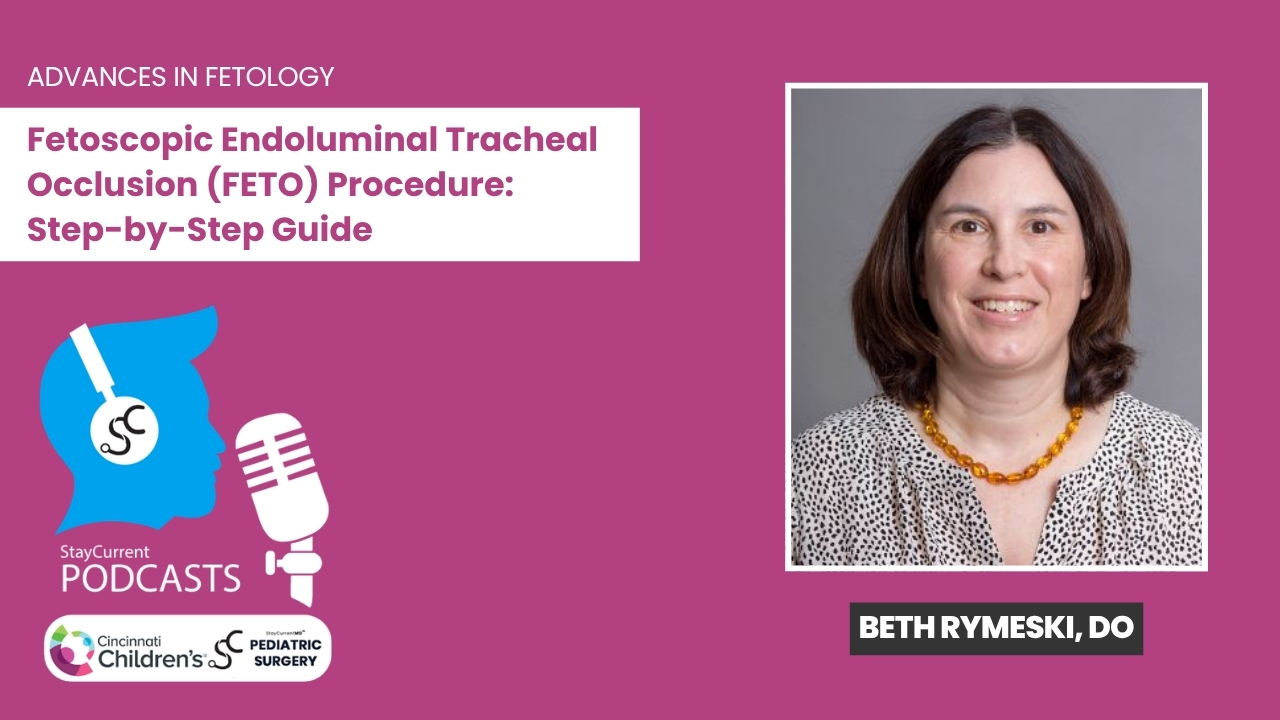
Fetoscopic Endoluminal Tracheal Occlusion (FETO) Procedure: Step-by-Step Guide with Dr. Beth Rymeski
4 min · Published Sep 2026
Video
Choledochal Cyst Types Explained: Pediatric Surgery Fundamentals
1 min · Published Sep 2026