


From
Live Event Content
Justin Ryder, MD- 2024 Pediatric Bariatric Surgery Update Course
With Dr. Justin Ryder
Chapter 1 of 5 · Fundamentals
Introduction
Introduction of Justin Ryder
Expert statements on this page
No expert statements were drawn from this page.
Host summaries · secondary, not cited in answers
Educational content from recorded physician discussions — not medical advice. Talk to your (or your child's) care team about your situation.
Video
Stephanie Walsh, MD - 2024 Pediatric Bariatric Surgery Update Course
16 min · Published Feb 2024
Video
Marc Michalsky, MD - 2024 Pediatric Bariatric Surgery Update Course
14 min · Published Feb 2024
Video
StayCurrent Forums - Obesity in Children
Dr. Todd Ponsky · Published Apr 2022
Video
Wrap Up Discussions - 2024 Pediatric Bariatric Surgery Update Course
13 min · Published Feb 2024
Video
Guillermo Ares, MD and Mark Wulkan, MD - 2024 Pediatric Bariatric Surgery Update Course
16 min · Published Feb 2024
Video
Evan Nadler, MD - 2024 Pediatric Bariatric Surgery Update Course
29 min · Published Feb 2024
Video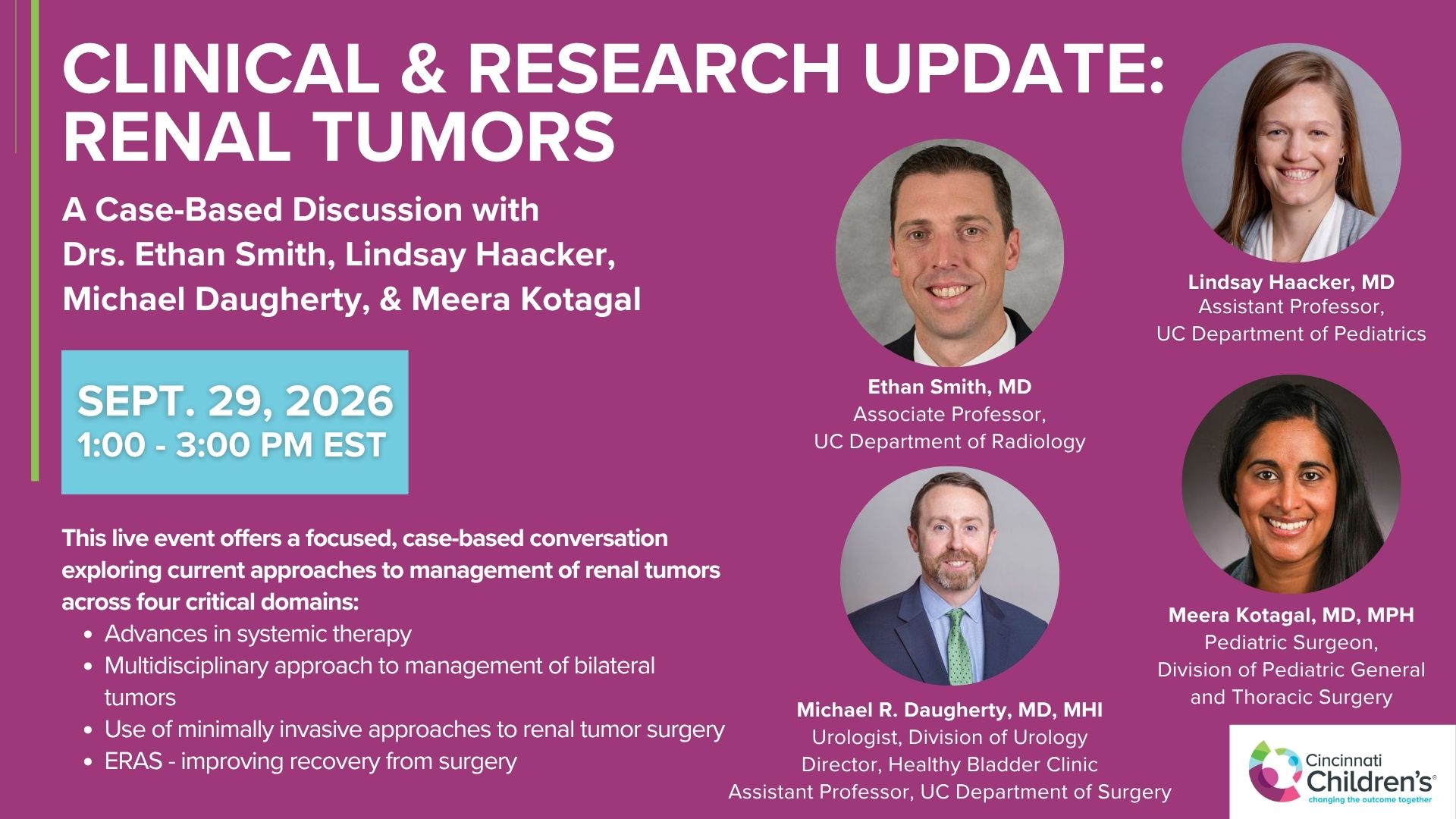
Clinical & Research Update: Renal Tumors with Drs. Ethan Smith, Lindsay Haacker, Michael Daugherty, and Meera Kotagal
71 min · Published Sep 2026
Video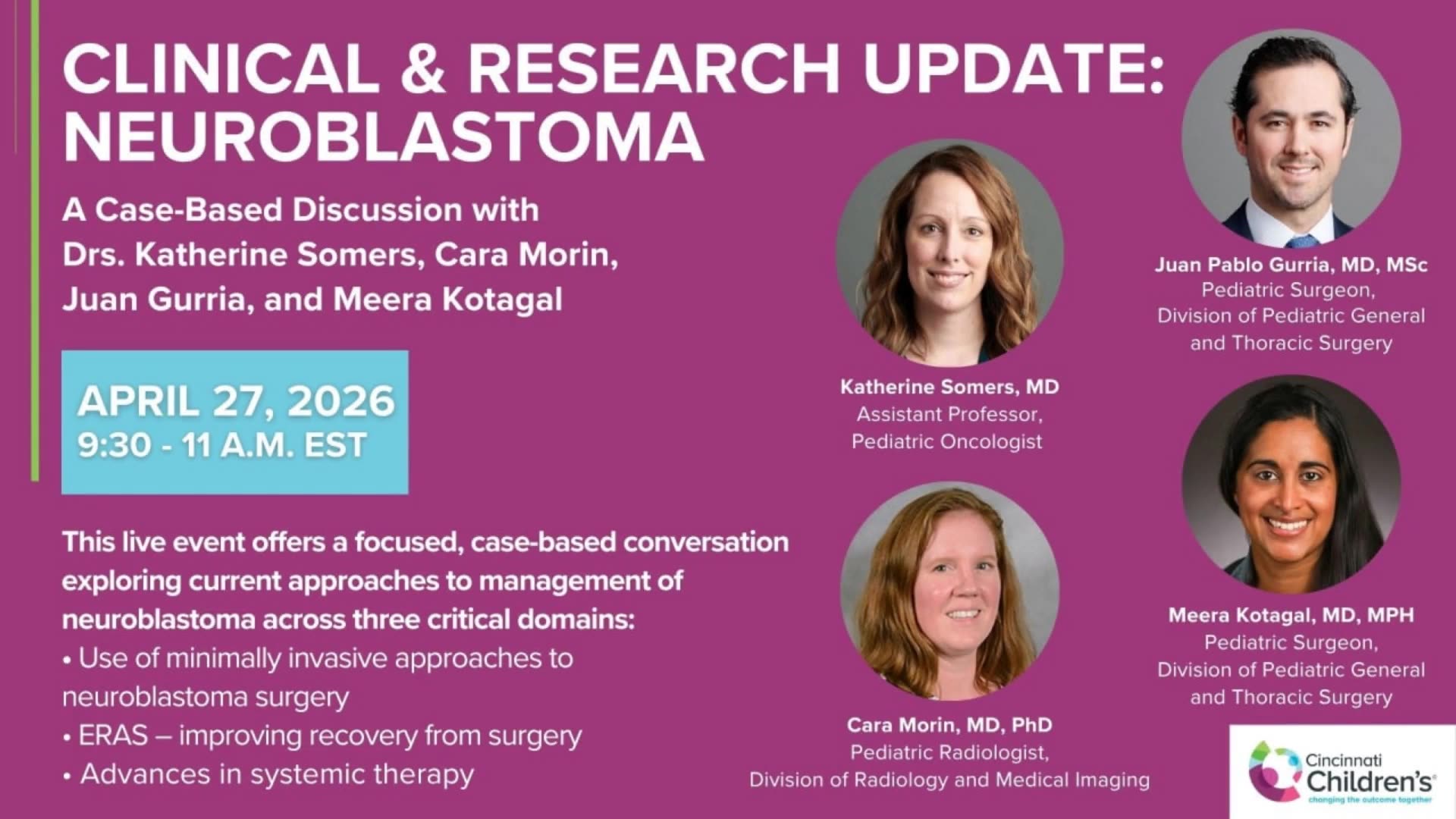
Clinical & Research Update: Neuroblastoma with Drs. Katherine Somers, Cara Morin, Juan Gurria, and Meera Kotagal
67 min · Published Sep 2026
Video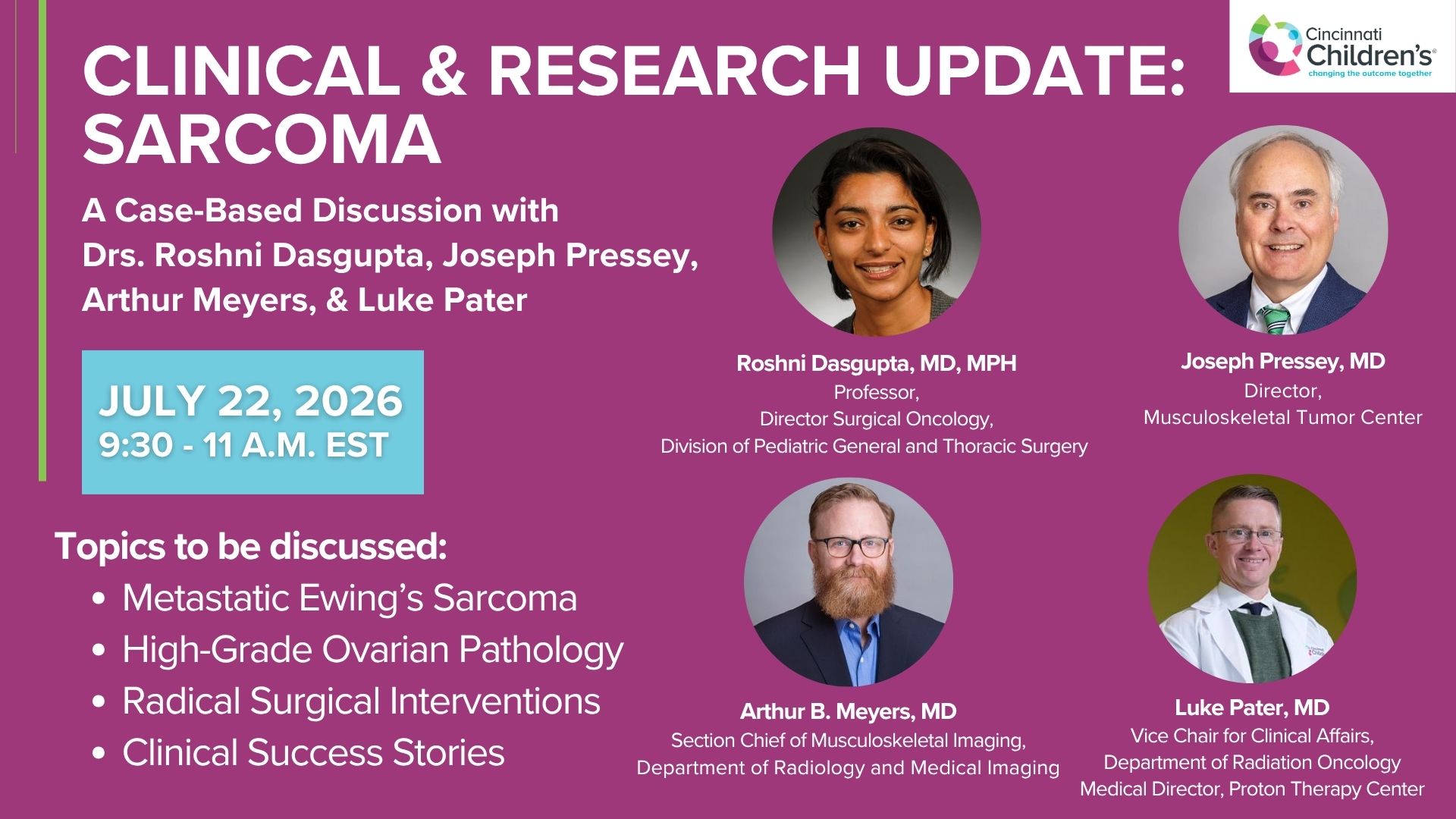
Clinical & Research Update: Sarcoma w/ Drs. Roshni Dasgupta, Joseph Pressey, Arthur Meyer, Luke Pater
66 min · Published Sep 2026
Video
2026 Laparoscopic Pediatric Hernia Repair
123 min · Published Jun 2026
Video
Beyond the Spectrum: Diagnosis, Myths & Management - Caitlin Couch & Leslie Lopez - APP Conference 2026
50 min · Published May 2026
Video
Dysautonomia: Navigating the Journey - Martha Willis - APP Conference 2026
55 min · Published May 2026
What the experts said
Teen Labs 10-year latent class analysis identified four phenotypes of bariatric surgery responders.
Superior responders (18% of cohort) lost about 45% of weight at nadir and maintained that loss out to 10 years.
A second group lost about 35% at nadir and kept over 25% off at 10 years.
A third group (one-third of cohort) had 12% BMI change at 10 years, comparable to semaglutide's mean response in adolescents at 1 year.
Non-responders (red group) did not lose ideal weight, returned to baseline by 4 years, and overshot their starting weight.
In Teen Labs, the only predictor of 10-year weight change was 6-month weight loss; no demographic, clinical, or social determinant factors predicted response.
Teen Labs shows no difference in outcomes between Roux-en-Y gastric bypass and sleeve gastrectomy at 10 years.
At 2 years, weight loss is about 30% in both sleeve gastrectomy and Roux-en-Y gastric bypass.
Tirzepatide (Eli Lilly's dual GLP-1/GIP receptor agonist) shows 25% weight loss at 72 weeks, similar to surgery at 2 years.
Bariatric surgery will continue to receive a grade of C from policymakers until randomized trials versus alternative therapies are conducted.
Randomized trials of surgery versus medications are now ethically feasible because newer AOMs have potential for comparable benefit.
Bariatric surgery is more effective in adolescents than adults, and this cannot be explained solely by duration of disease.
Remission of type 2 diabetes in adolescents versus adults after bariatric surgery highlights the need for mechanistic studies.
Mechanistic studies examining genetics, proteins, and metabolites may identify super-responders and guide combination therapies.
Oncology colleagues used genetics for precision medicine 30 years ago, and it took 20-30 years for patient impact.
Genetics should be evaluated on a large scale to identify preoperative predictors of bariatric surgery response.
Metabolic pathways perturbed by obesity are relevant to treatment response and may not have genetic origins.
Tirzepatide and semaglutide drug trials are approximately 70% white and not conducted in urban settings.
Real-world AOM efficacy in urban, predominantly Black and Hispanic populations does not match published trial results.
Clinical trial diversity is abysmal, and drug companies prioritize timeline over quality in enrollment.