


From
Live Event Content
Traci Williams, MD - 2024 Pediatric Bariatric Surgery Update Course
With Dr. Tracy Williams
Chapter 1 of 8 · Fundamentals
Introduction
Introduction of Dr. Tracy Williams
Expert statements on this page
No expert statements were drawn from this page.
Host summaries · secondary, not cited in answers
Educational content from recorded physician discussions — not medical advice. Talk to your (or your child's) care team about your situation.
Video
Rapid Fire and Conclusion: Pediatric Obesity 2017
23 min · Published Feb 2018
Video
Identifying & Managing Eating Disorders in Pediatric Obesity Treatment: Current Practices in Weight
53 s · Published Aug 2026
Video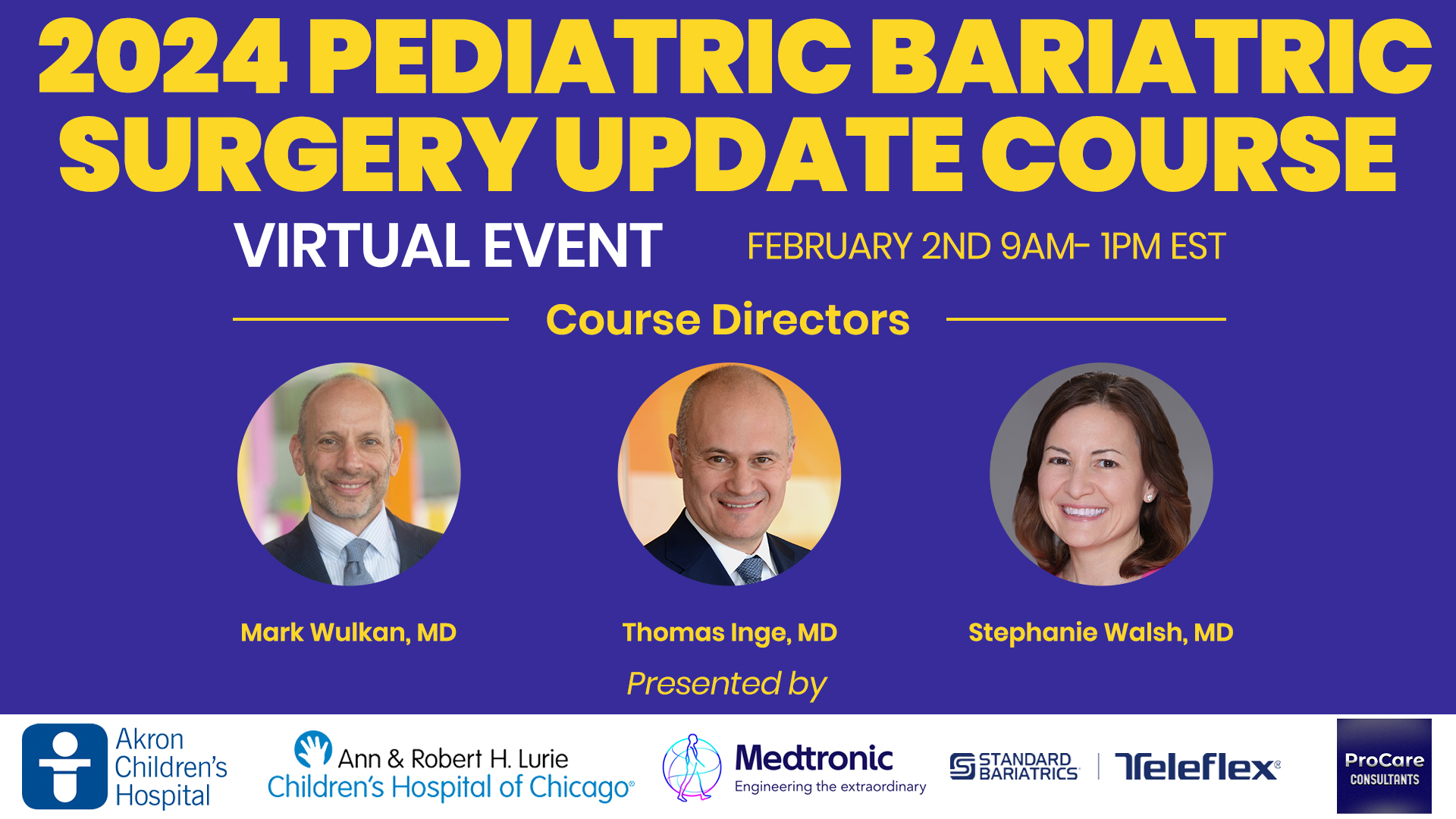
Stephanie Walsh, MD - 2024 Pediatric Bariatric Surgery Update Course
16 min · Published Feb 2024
Video
Weight Bias: Child & Adolescent Obesity 2015
34 min · Published Jul 2017
Video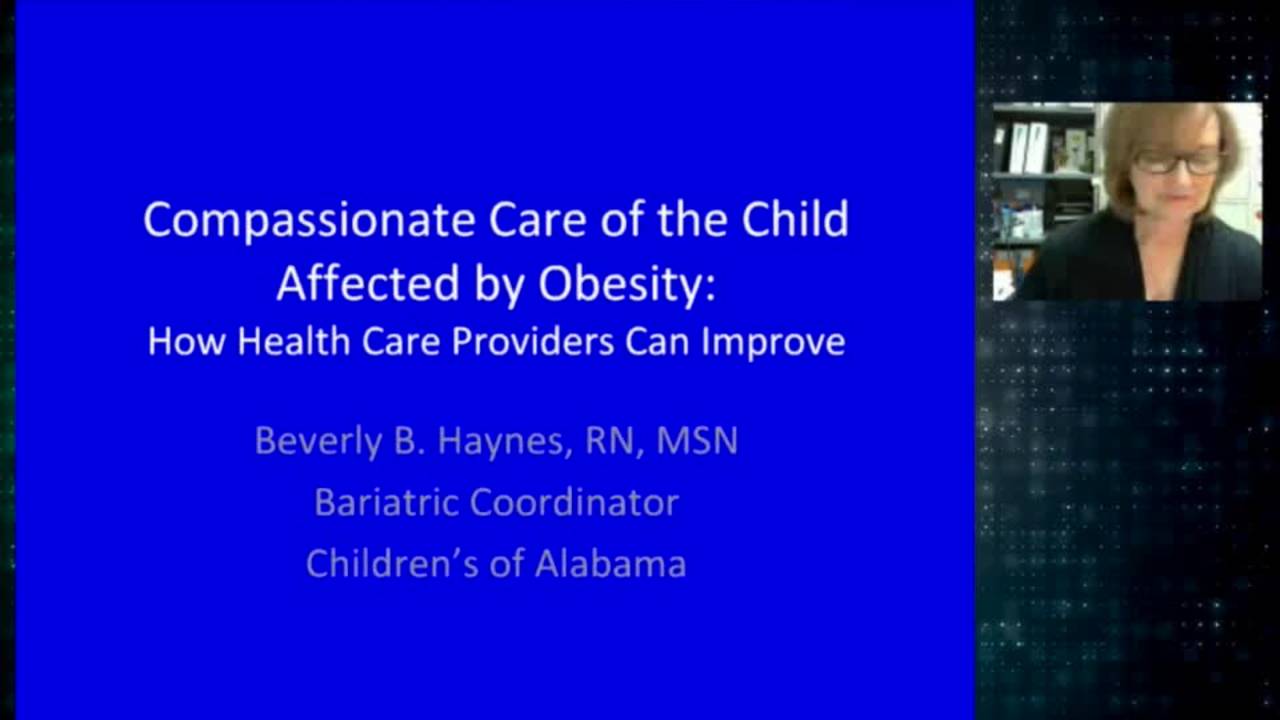
Obesity: Advanced Practice Providers
36 min · Published Feb 2014
Video
Everyday Stress: Child & Adolescent Obesity 2015
27 min · Published Jul 2017
Only a few other public items share this expert — go deeper there →
Video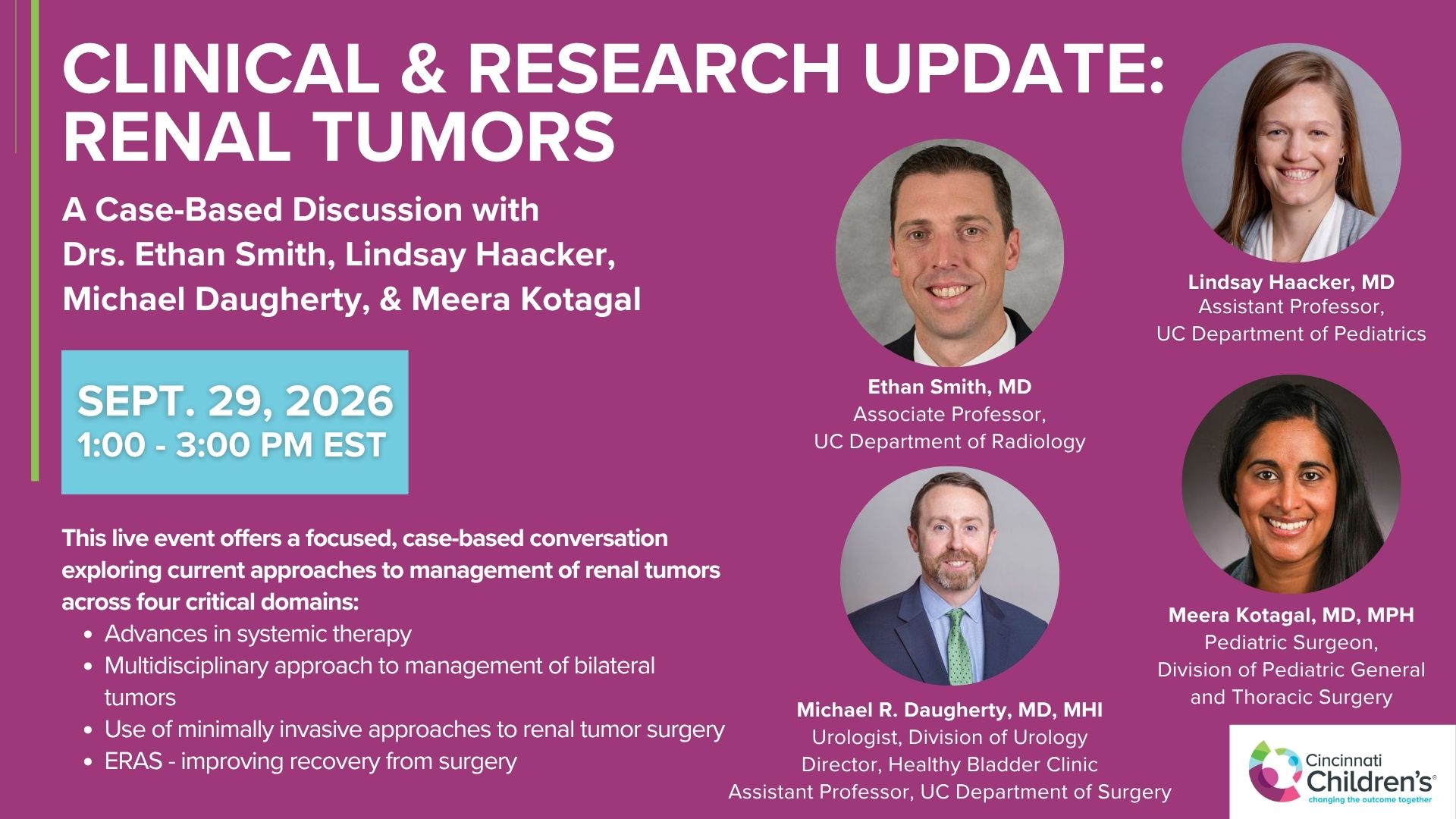
Clinical & Research Update: Renal Tumors with Drs. Ethan Smith, Lindsay Haacker, Michael Daugherty, and Meera Kotagal
71 min · Published Sep 2026
Video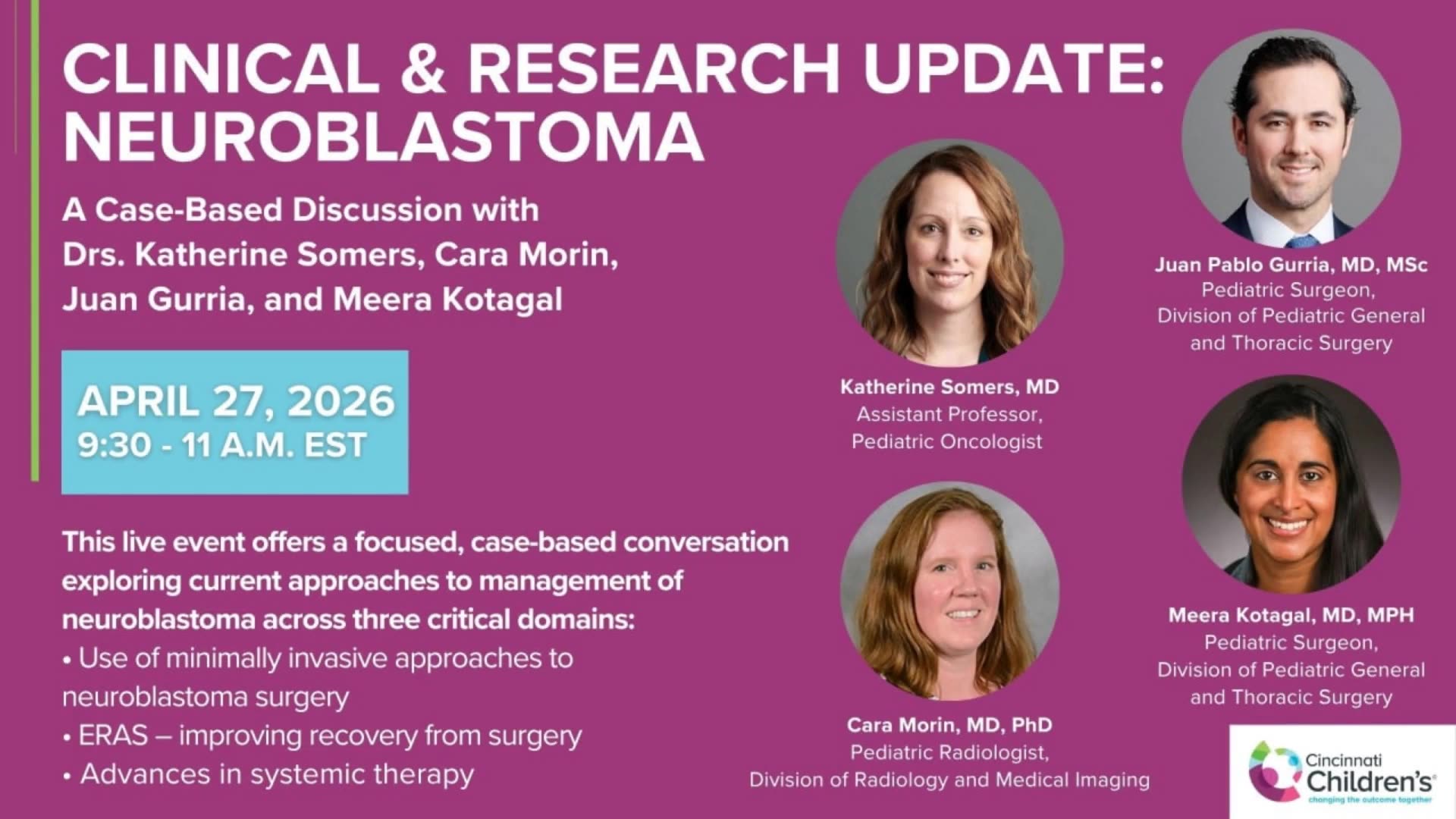
Clinical & Research Update: Neuroblastoma with Drs. Katherine Somers, Cara Morin, Juan Gurria, and Meera Kotagal
67 min · Published Sep 2026
Video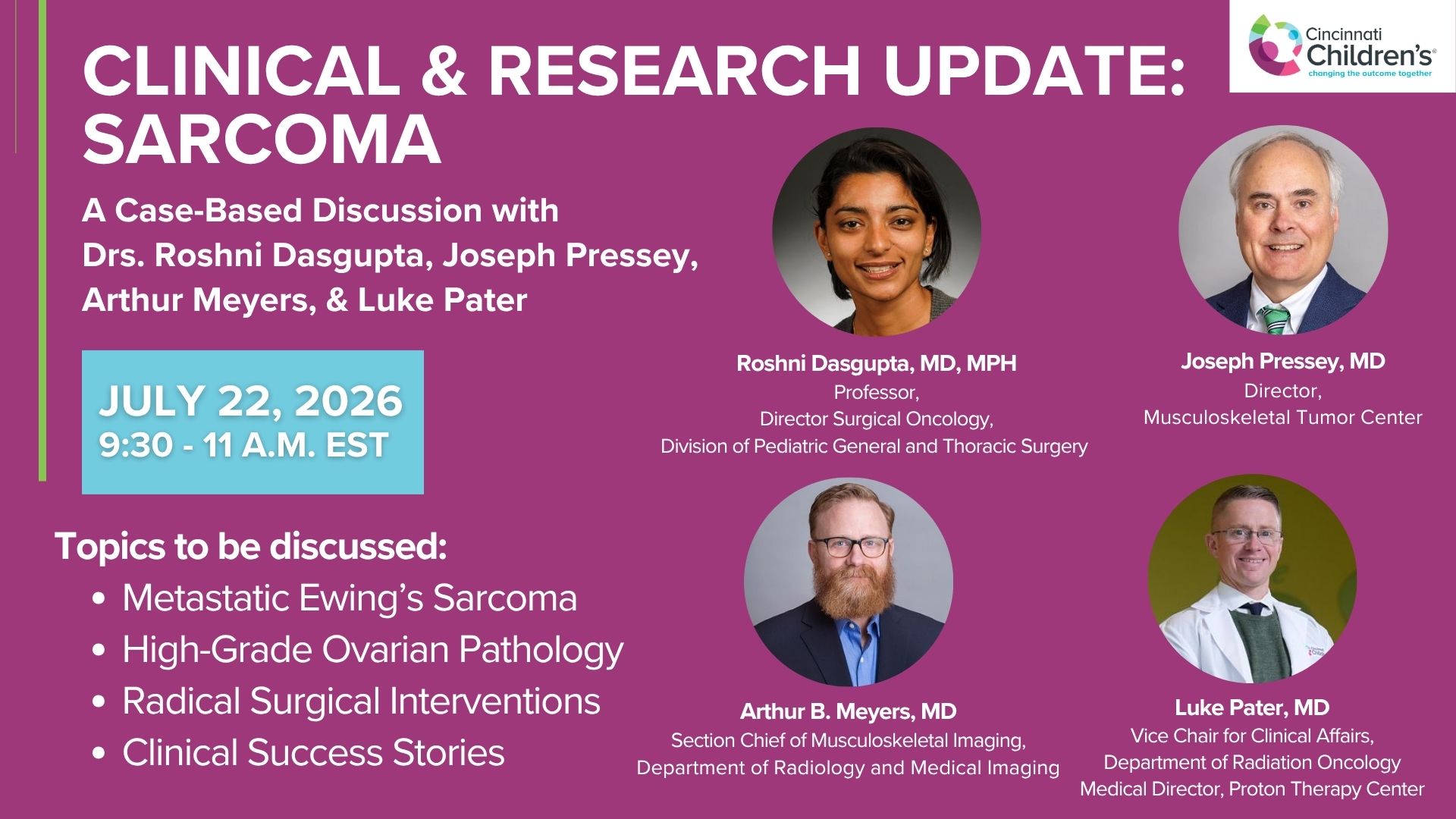
Clinical & Research Update: Sarcoma w/ Drs. Roshni Dasgupta, Joseph Pressey, Arthur Meyer, Luke Pater
66 min · Published Sep 2026
Video
2026 Laparoscopic Pediatric Hernia Repair
123 min · Published Jun 2026
Video
Beyond the Spectrum: Diagnosis, Myths & Management - Caitlin Couch & Leslie Lopez - APP Conference 2026
50 min · Published May 2026
Video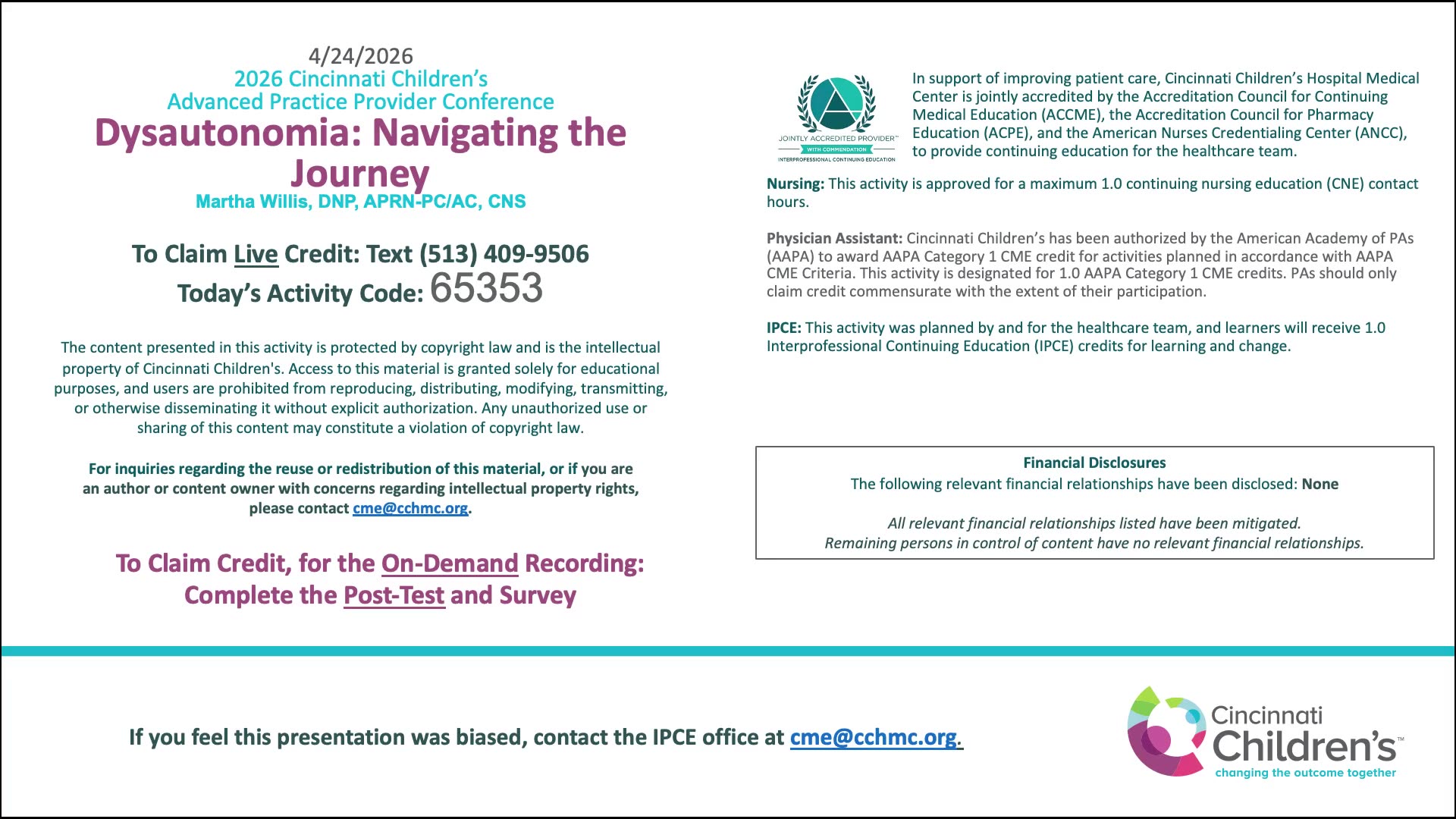
Dysautonomia: Navigating the Journey - Martha Willis - APP Conference 2026
55 min · Published May 2026
What the experts said
Kids and teens experiencing obesity are at higher risk for mood disorders including depression and anxiety, body image difficulties, self-esteem issues, peer relationship problems (including bullying and teasing), and lower resilience.
There is a reciprocal relationship among psychosocial factors in obesity: poor sleep impacts mood and attention, and kids with obesity are at risk for ADHD; these factors are interconnected and affect self-perception.
All psychosocial aspects of patients' lives need monitoring even after bariatric surgery.
Long-term mental health care is advised post-operatively, including assessment such as 3-month screening for depression and anxiety, and some places recommend screening for body dysmorphia.
There is a connection between quality of physical health and quality of moods, emotions, and relationships: as physical health improves, mood and relationships are likely to improve.
Pre-operative discussions about post-surgical lifestyle changes are important because teenagers typically do not spend much time thinking in future tense.
Post-operative check-ins should assess not only adherence to recommended behaviors but also how patients are managing lifestyle changes.
Developmental transitions such as finishing high school, academic stress, and preparing to launch from home are important considerations, as stress has a connection with relationship to food.
People who experience obesity tend to have disconnection from their body and are not fully connected to their sense of physical self.
After bariatric surgery, physical changes happen rapidly but the change in how patients view themselves does not happen as quickly, leading to a disconnect where patients do not recognize they are changing even when others comment on it.
Positive body image and physical satisfaction continue to be a work in progress post-operatively and will not automatically result from bariatric surgery or subsequent cosmetic surgery; this is a subconscious process that takes time.
Cosmetic surgery teams should assess for body dysmorphia.
Patients who have been bullied and socially isolated may be at risk when they suddenly receive attention (such as male attention) after weight loss post-surgery.
Social concerns should be addressed preoperatively; mild concerns require basic tools for managing peer conflicts and difficult conversations, while severe concerns (difficulties forming or keeping friendships, dating issues) require referral for concurrent treatment during the bariatric journey.
Pre-surgical evaluation should include discussion of who knows about the surgery, who is supporting the patient, and the quality of that support, as well as how to address lack of support from family members.
Patients should be prepared with responses for when people comment on their changed appearance post-surgery, particularly if they have not disclosed the surgery.
Separate conversations with parents and with teens are a crucial component of pre-surgical evaluation.
In the world of bariatric surgery and obesity, pediatric patients do not look like typical eating disorder patients, and screening needs to address disordered eating behavior which is different from eating disorder symptoms.
Bariatric surgery patients have disordered eating but are often not welcome in disordered eating outpatient programs because their BMI or symptomatology does not meet inclusion criteria.
Access to mental health services is difficult, and bariatric patients are often excluded from targeted disordered eating treatment because their BMI status does not meet criteria despite being on the eating disorder spectrum.
In the mental health world, there is not a good understanding of obesity or how obesity develops, and the general assumption is that obesity results from binging or binge eating, which is not typically the case.
Many bariatric surgery patients have restrictive eating patterns, not binge eating as commonly assumed.
PSYPACT allows for telemedicine visiting across 40 states, enabling psychologists to provide care without being locally licensed.
Unless patients had a true BED (binge eating disorder) diagnosis, they could not access eating disorder treatment programs and had to be managed pre-op and post-op within the bariatric program.
Bariatric surgery has a significant and positive impact on the psychological comorbidities of obese teenagers and improves their quality of life and overall health.
Research shows that psychosocial symptomatology in bariatric surgery patients tends to remit or improve for the most part, and psychosocial concerns seen post-operatively are typically pre-existing conditions rather than new symptoms.
Follow-up research shows decreases in mood disorder symptoms (anxiety, depression, anger, disruptive behavior), improvements in social isolation, and improvements in mood and relationships as patients feel better about themselves.