


From
StayCurrentMD
Quick Literature Updates Episode 11
hosted by Dr. Em Gootee & Dr. Ellen Encisco & Dr. Alex Halpern
Chapter 1 of 5 · Fundamentals
Introduction
Introduction and Episode Overview
Expert statements on this page
No expert statements were drawn from this page.
Host summaries · secondary, not cited in answers
Educational content from recorded physician discussions — not medical advice. Talk to your (or your child's) care team about your situation.
Video
Appendicitis Management & APPY Trial: Update Course 2016
31 min · Published Oct 2018
Video
Update Course 2021: DEI – CONCORDANCE AND POST OP COMPLICATION STUDIES
Published May 2022
Podcast
Update Course Rewind: Perforated Appendicitis 2019
12 min · Published Apr 2021
Video
Update Course Rewind: Management of Appendicitis 2022
Published May 2023
Video
Dr. Krysta Sutyak - Best of the Best in Pediatric Surgery 2025
Dr. Todd Ponsky · 7 min · Published Mar 2025
Video
Standardization of Care for Pediatric Perforated Appendicitis
Dr. Todd Ponsky · 2 min · Published Jan 2018
Video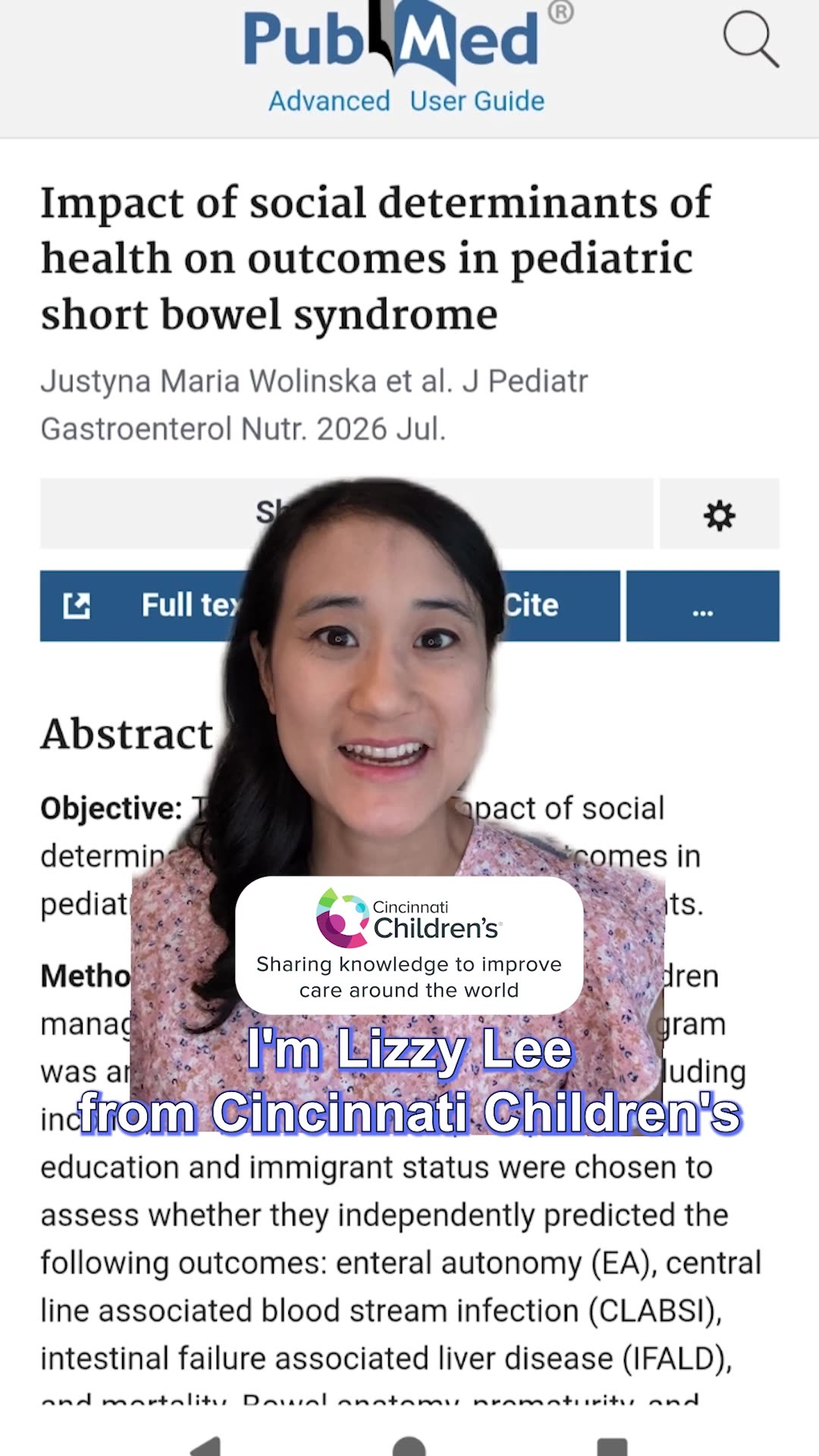
Impact of social determinants of health on outcomes in pediatric short bowel syndrome...
43 s · Published Aug 2026
Video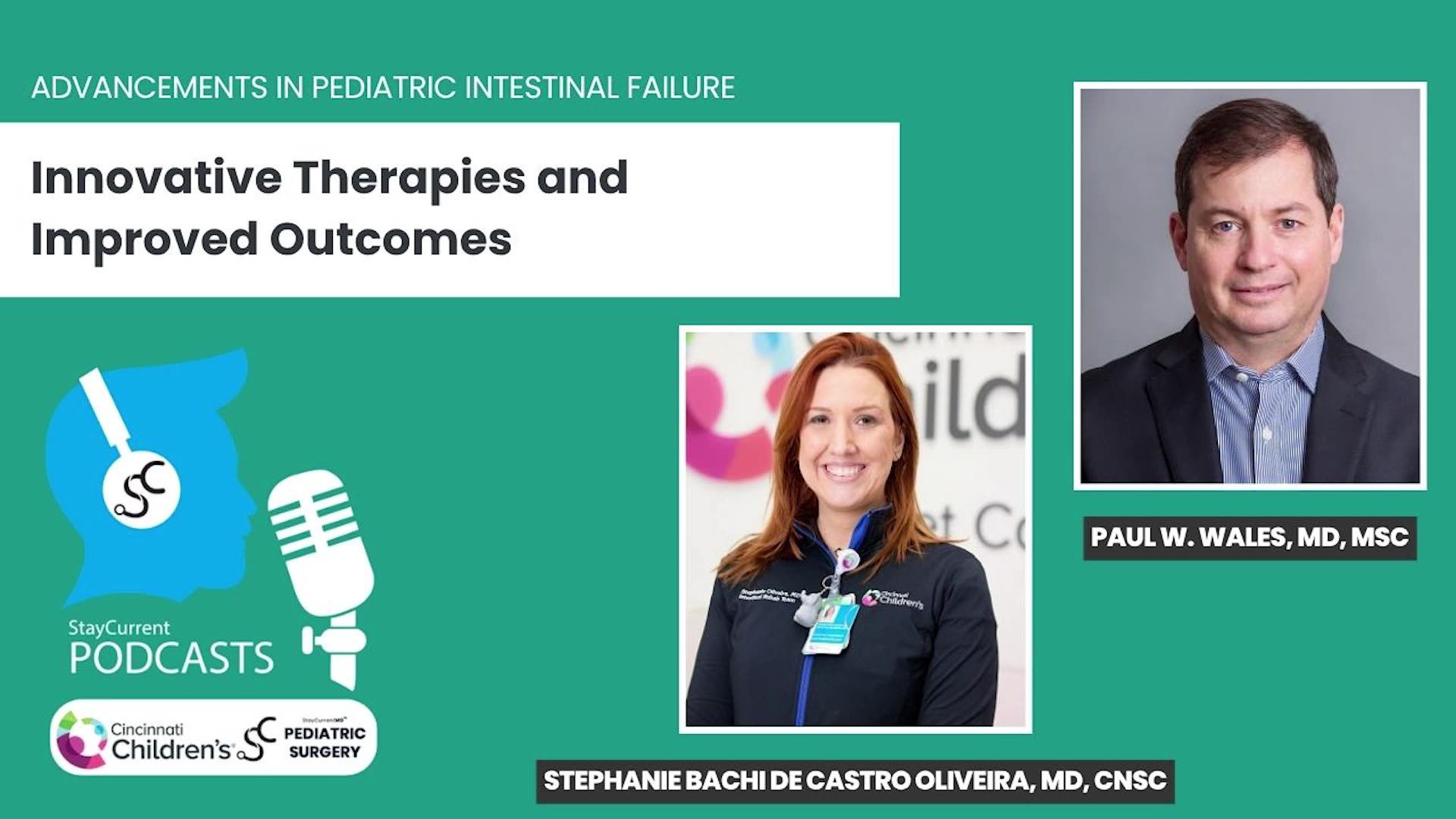
Advancements in Pediatric Intestinal Failure: Innovative Therapies and Improved Outcomes
17 min · Published Aug 2026
Podcast
Update Course Rewind: Omphalocele & Gastroschisis 2020
Miguel Guelfand · 15 min · Published Jul 2026
Video
Update Course Rewind 2025: Updates in NEC Management
11 min · Published Jul 2026
Video
Availability, utilization, and barriers to bowel ultrasound for necrotizing enterocolitis...
55 s · Published Jul 2026
Video
Malrotation and Volvulus with Trinity
Dr. Steve Rothenberg · 8 min · Published May 2026
Video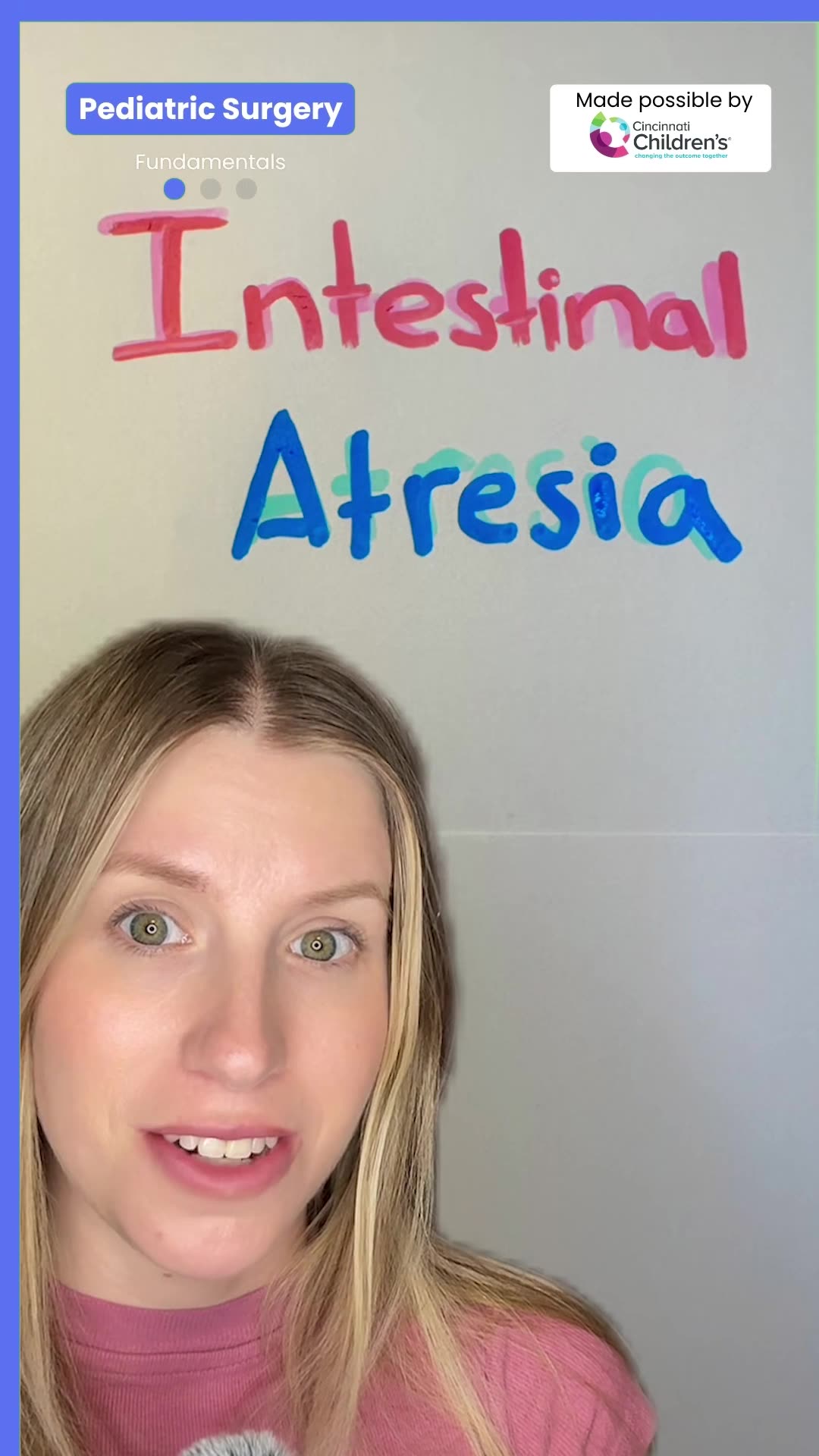
Intestinal Atresia Types Explained: Grossfeld Classification for Pediatric Surgery
1 min · Published Sep 2026
Video
Derivation and validation of the Pediatric Community-Acquired Pneumonia Severity (PedCAPS) score: A prospective cohort study
50 s · Published Sep 2026
Video
FETO for Late-Diagnosed Severe Congenital Diaphragmatic Hernia (CDH) at Cincinnati Children's with Dr. Beth Rymeski
4 min · Published Sep 2026
Video
Severe Congenital Diaphragmatic Hernia (CDH) Case: FETO Management & Unexpected Findings with Dr. Beth Rymeski
3 min · Published Sep 2026
Video
Fetoscopic Endoluminal Tracheal Occlusion (FETO) Procedure: Step-by-Step Guide with Dr. Beth Rymeski
4 min · Published Sep 2026
Video
Choledochal Cyst Types Explained: Pediatric Surgery Fundamentals
1 min · Published Sep 2026
What the experts said
Stevens et al. examined CDC Wonder database data between 1999 and 2020 for pediatric firearm and automobile fatalities.
Stevens et al. used the Gifford's Law Center annual gun law scorecard between 2014 and 2020 to assess state gun law scores.
In recent years, the fatality rate for firearms has surpassed the fatality rate for automobiles in children.
Stronger gun laws were associated with decreased fatality rates, with a 55% lower firearm fatality rate for states with the strongest gun laws compared to those with the weakest gun laws.
Gabapentin is an anticonvulsant often used off-label as part of multimodal pain control after major surgery.
Lascano et al. performed a retrospective cohort study at Children's Hospital of LA looking at kids age 2 to 18 who underwent appendectomy for perforated appendicitis between 2014 and 2019.
In the Lascano et al. study, kids who received gabapentin had decreased postoperative opioid use.
In the Lascano et al. study, kids who received gabapentin had decreased postoperative length of stay.
Frazier et al. conducted a retrospective study from the Midwest Pediatric Surgery Consortium following 375 patients with gastroschisis who underwent closure between 2013 and 2016.
The overall rate for periumbilical hernias after gastroschisis closure was 22.7%.
Periumbilical hernia rate was significantly higher in patients who underwent primary closure versus those who needed silo placement.
Patients who underwent sutureless gastroschisis closures had 50% rates of persistent hernia.
Only 16.4% of patients who underwent sutured gastroschisis closure had a persistent hernia.
Spontaneous closure of periumbilical hernias after gastroschisis was seen in 38.8% of cases.
Only 31.8% of patients with periumbilical hernias after gastroschisis needed surgery.
Sutureless gastroschisis closures lead to more periumbilical hernias, but they can be managed as any other congenital umbilical hernia and have no additional risk.