


Chapter 1 of 4 · Evidence & Research
Study rationale
Introduction and Study Rationale
Expert statements on this page
No expert statements were drawn from this page.
Host summaries · secondary, not cited in answers
Educational content from recorded physician discussions — not medical advice. Talk to your (or your child's) care team about your situation.
Podcast
Case-Based Journal Review: Inguinal Hernia 2025
19 min · Published Apr 2025
Video
Quick Literature Updates Episode 9
Published Jun 2023
Video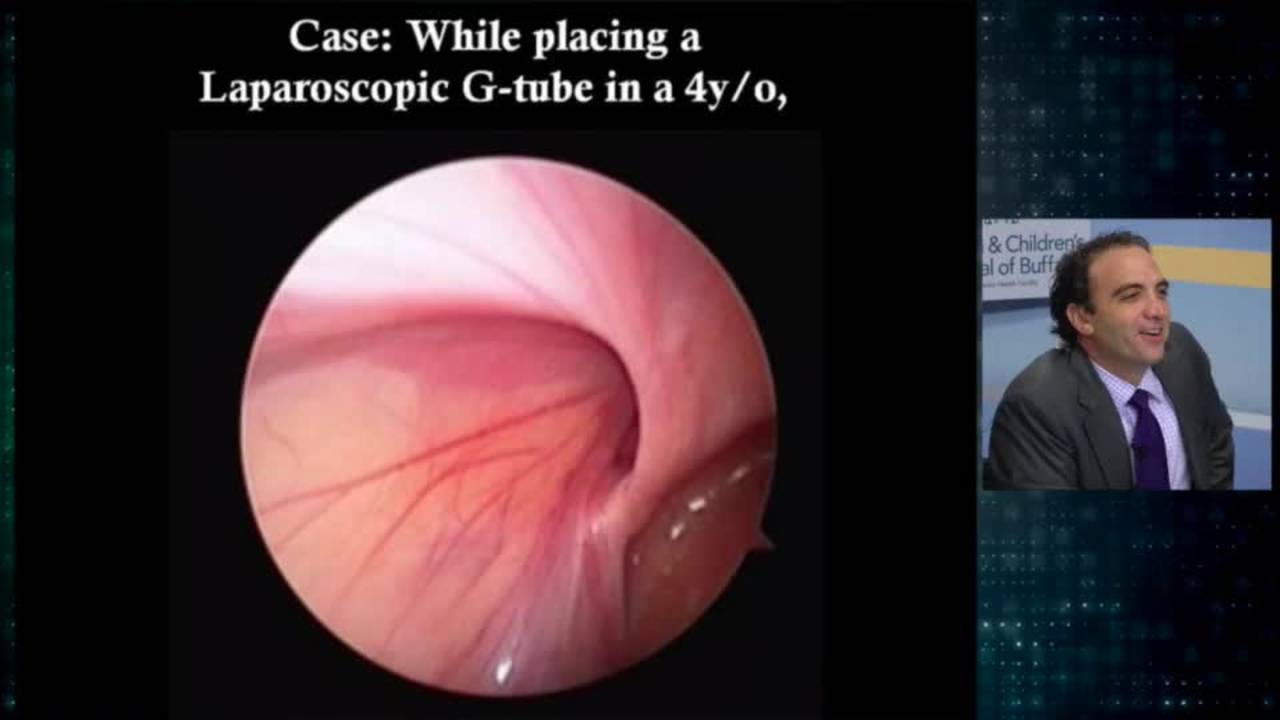
Groin Controversies: Update Course 2016
Dr. Todd Ponsky · 28 min · Published Jul 2017
Video
BOB in Ped Surg 2023 - WOFAPS Winner - Tran Ngoc Son, MD
Published Feb 2023
Video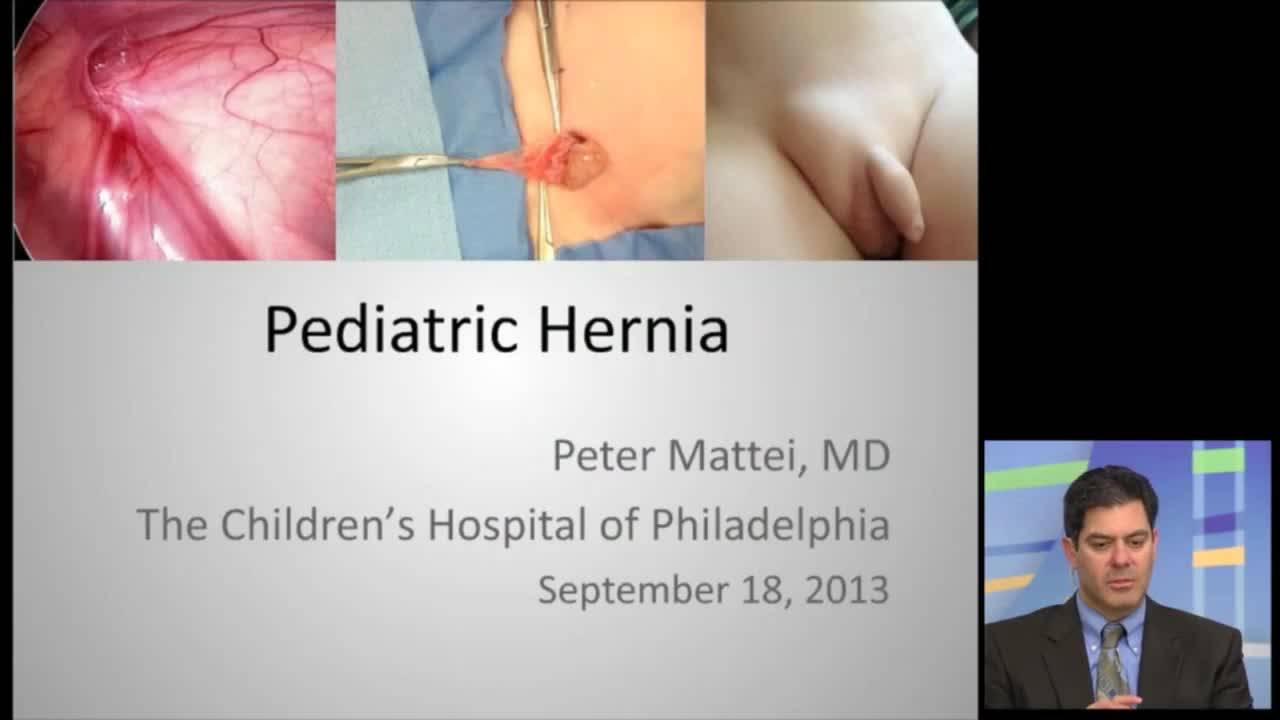
Pediatric Hernia: Update Course 2013
52 min · Published Jul 2017
Video
Focus on Technique- Laparoscopic Pediatric Hernia Repair 2015
Dr. Todd Ponsky · 140 min · Published Mar 2014
More from this expert
Dr. Jason FraserVideo
Update Course Rewind: Gastroschisis Feeding protocols 2022
CCHMC Pediatric Surgery · Published Feb 2023
Video
Update Course 2022 - UPDATES IN GASTROSCHISIS FEEDING PROTOCOLS - Jason Fraser, Beth Rymeski, and Steven Lee
21 min · Published Sep 2022
Podcast
Gastroschisis and sutureless abdominal wall closure
12 min · Published Jan 2021
Video
Complications and Beyond
66 min · Published Sep 2020
Video
Clinical & Research Update: Renal Tumors with Drs. Ethan Smith, Lindsay Haacker, Michael Daugherty, and Meera Kotagal
71 min · Published Sep 2026
Video
Clinical & Research Update: Neuroblastoma with Drs. Katherine Somers, Cara Morin, Juan Gurria, and Meera Kotagal
67 min · Published Sep 2026
Video
Clinical & Research Update: Sarcoma w/ Drs. Roshni Dasgupta, Joseph Pressey, Arthur Meyer, Luke Pater
66 min · Published Sep 2026
Video
2026 Laparoscopic Pediatric Hernia Repair
123 min · Published Jun 2026
Video
Beyond the Spectrum: Diagnosis, Myths & Management - Caitlin Couch & Leslie Lopez - APP Conference 2026
50 min · Published May 2026
Video
Dysautonomia: Navigating the Journey - Martha Willis - APP Conference 2026
55 min · Published May 2026
What the experts said
The natural history of the patent processus vaginalis (PPV) in the absence of symptomatic hernia is relatively unknown.
There are inconclusive recommendations on managing PPVs when found incidentally at the time of another operation or on the contralateral side during inguinal hernia repair.
The natural history and timing of obliteration of the processus vaginalis is indistinct.
The study enrolled infants less than four months of age undergoing laparoscopic pyloromyotomy with inguinal canal examination.
Patients with a PPV were followed yearly via phone survey up to age 18 years, while those without a PPV were not included or followed.
PPV was measured using the pyloric grasper, whose metal portion length is 2 centimeters and width when opened is 1.5 centimeters.
Of 526 patients analyzed, 283 (nearly 54%) had a PPV: 35 on the left, 132 bilateral, and 116 on the right.
Patients with PPV were significantly younger, weighed less, were more commonly male, and had significantly lower estimated gestational age at birth than those without PPV.
There were 414 PPV dimensional measurements recorded where bilateral PPVs are not separated.
The scrotum and labia most frequently did not insufflate during PPV examination.
Right-sided PPV is more common, but there is similar depth and width of right and left PPVs as determined by ability to visualize the bottom.
Of 246 patients eligible for at least one annual follow-up, 85% responded to at least one yearly follow-up call.
Three patients presented in the first year with an inguinal hernia, with no hernias seen in patients who reached two, three, or four-year follow-up milestones.
There were three inguinal hernias among 246 patients with PPV who had follow-up, representing a 1.2% hernia rate, all occurring in the first year.
There is a high incidence of PPV seen in this patient population (infants under 4 months undergoing pyloromyotomy).
The need for inguinal hernia repair in patients with incidental PPV has been low to date in this cohort.