


From
StayCurrentMD
Invited Commentary on Vasudevan, et al: Outcomes of children with well differentiated fetal hepatoblastoma treated with surgery only: Report from Children's Oncology Group Trial, AHEP0731
Part of
Pediatric Oncology 696 items
jpedsurg.org shows its articles on its own site.
Read the article on jpedsurg.org ↗Article · Jun 2022 · 1 min read
In brief
In brief
This commentary addresses efforts to reduce cisplatin-based chemotherapy in children with well-differentiated fetal hepatoblastoma, given that 25-90% of cisplatin-treated patients develop hearing loss. Identifying candidates for surgery-only treatment could maintain survival while eliminating chronic ototoxicity.
Written by the GCMD Library team from the article.
Advances in hepatoblastoma treatment have improved survival but have been accompanied by the chronic toxicities of pediatric cancer therapy. Cisplatin is the cornerstone of chemotherapy treatment for hepatoblastoma. The most frequent long-term complication of hepatoblastoma treatment is cisplatin-related ototoxicity. Among children who receive cisplatin, 25-90% will exhibit measurable hearing loss, impacting language and social development [1]. Therefore, efforts to identify children eligible for reduction or elimination of cisplatin-based chemotherapy while maintaining excellent oncologic outcomes are paramount in reducing the long-term toxicities of hepatoblastoma cancer treatment.
Educational content from recorded physician discussions — not medical advice. Talk to your (or your child's) care team about your situation.
Video
Oncology Tumor Board Showdown: Pediatric Oncology 5 Question Quiz
1 min · Published Oct 2026
Article
Minimally invasive surgery for abdominal and thoracic neuroblastic tumors: A systematic review by the APSA Cancer committee
Juan Pablo Gurria · Published Oct 2026
Video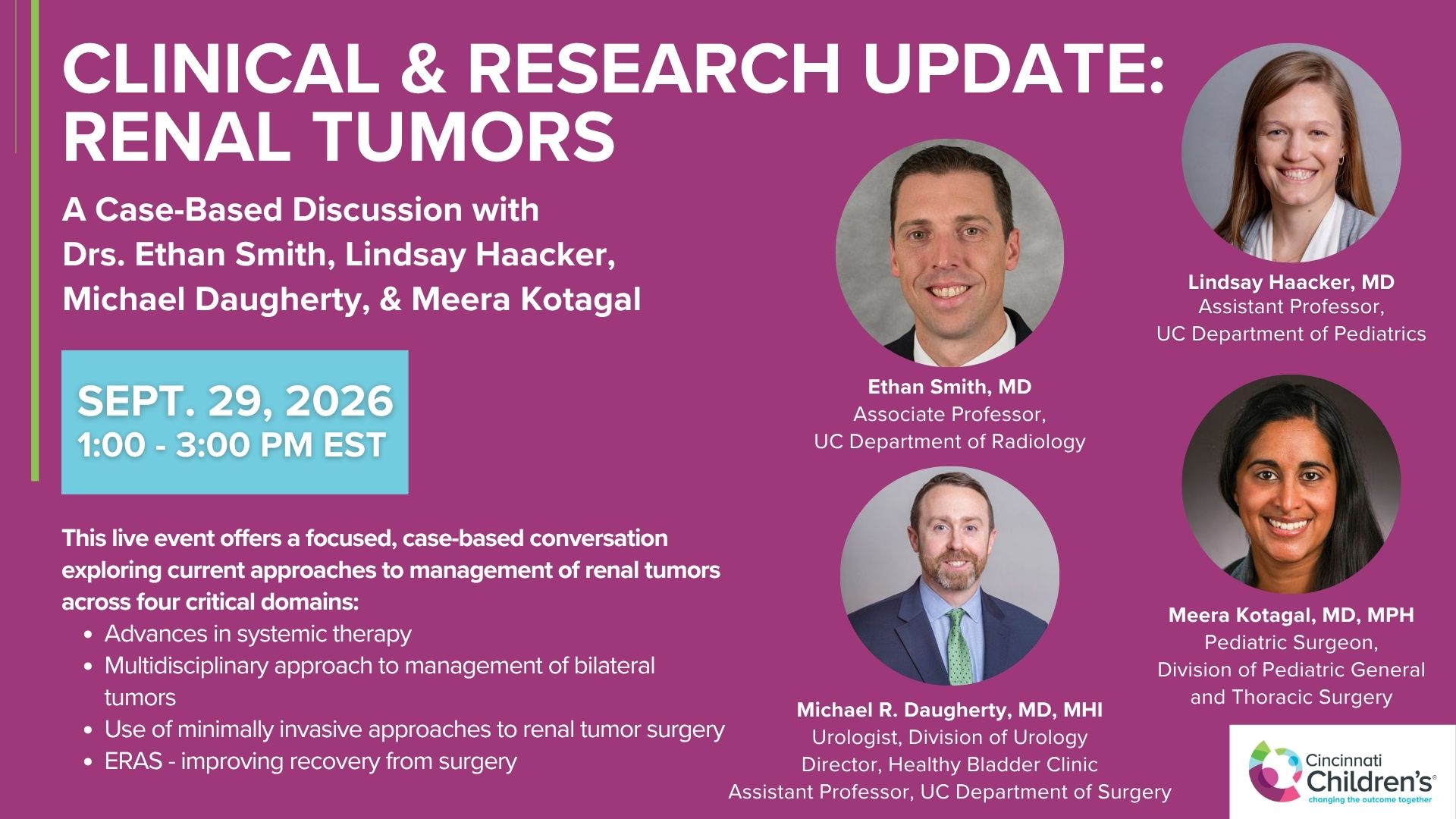
Clinical & Research Update: Renal Tumors with Drs. Ethan Smith, Lindsay Haacker, Michael Daugherty, and Meera Kotagal
71 min · Published Sep 2026
Video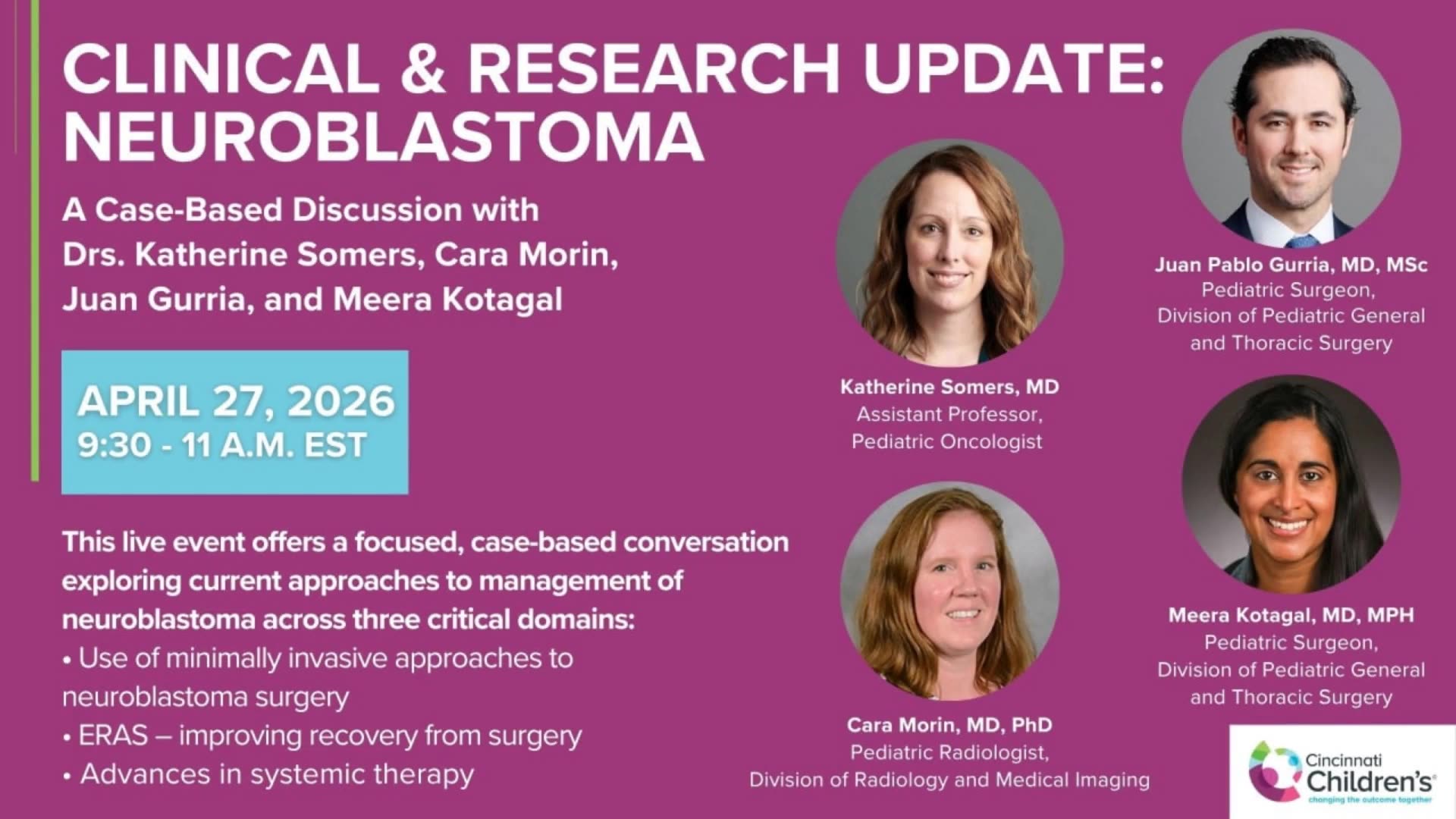
Clinical & Research Update: Neuroblastoma with Drs. Katherine Somers, Cara Morin, Juan Gurria, and Meera Kotagal
67 min · Published Sep 2026
Video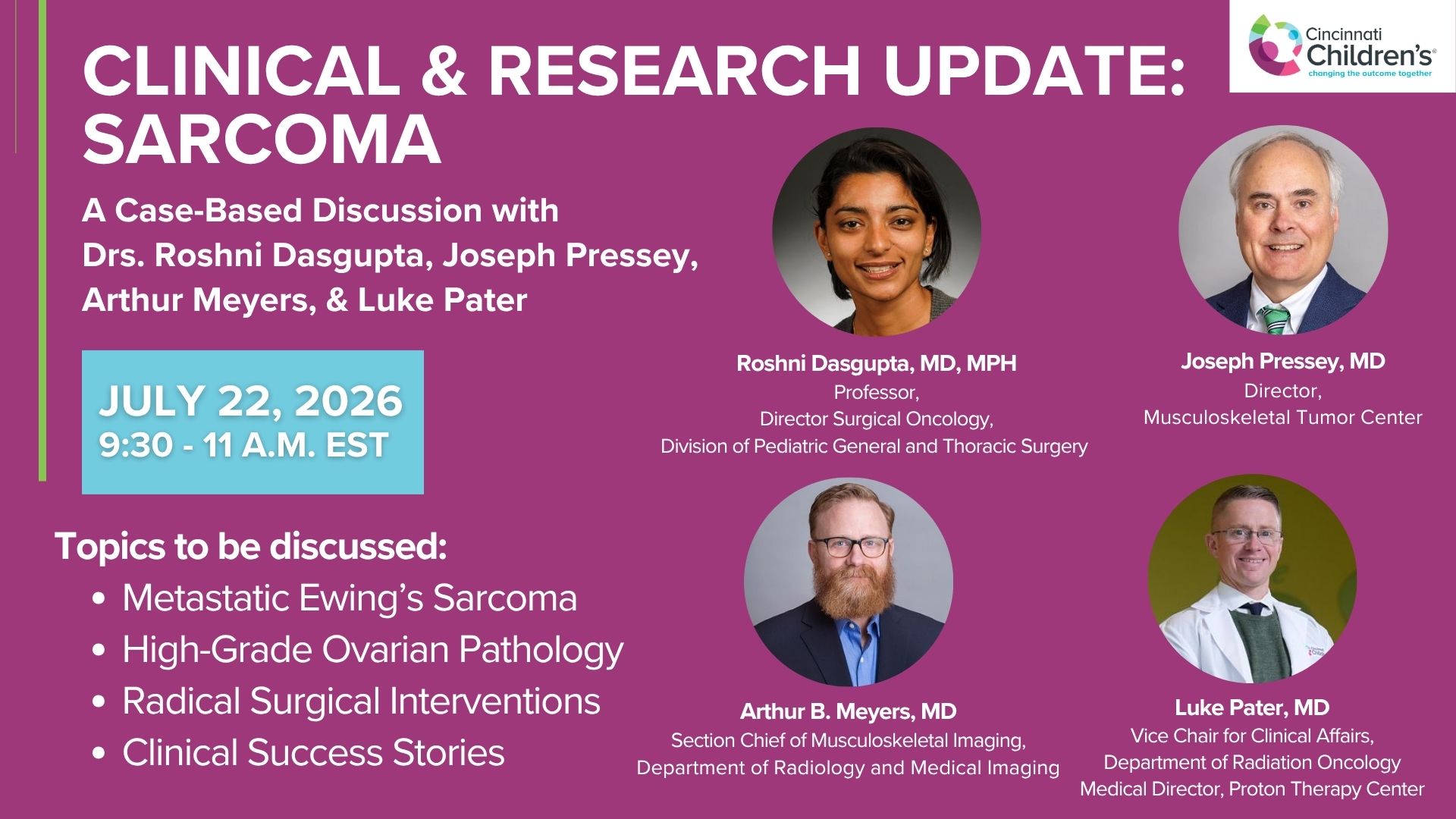
Clinical & Research Update: Sarcoma w/ Drs. Roshni Dasgupta, Joseph Pressey, Arthur Meyer, Luke Pater
66 min · Published Sep 2026
Video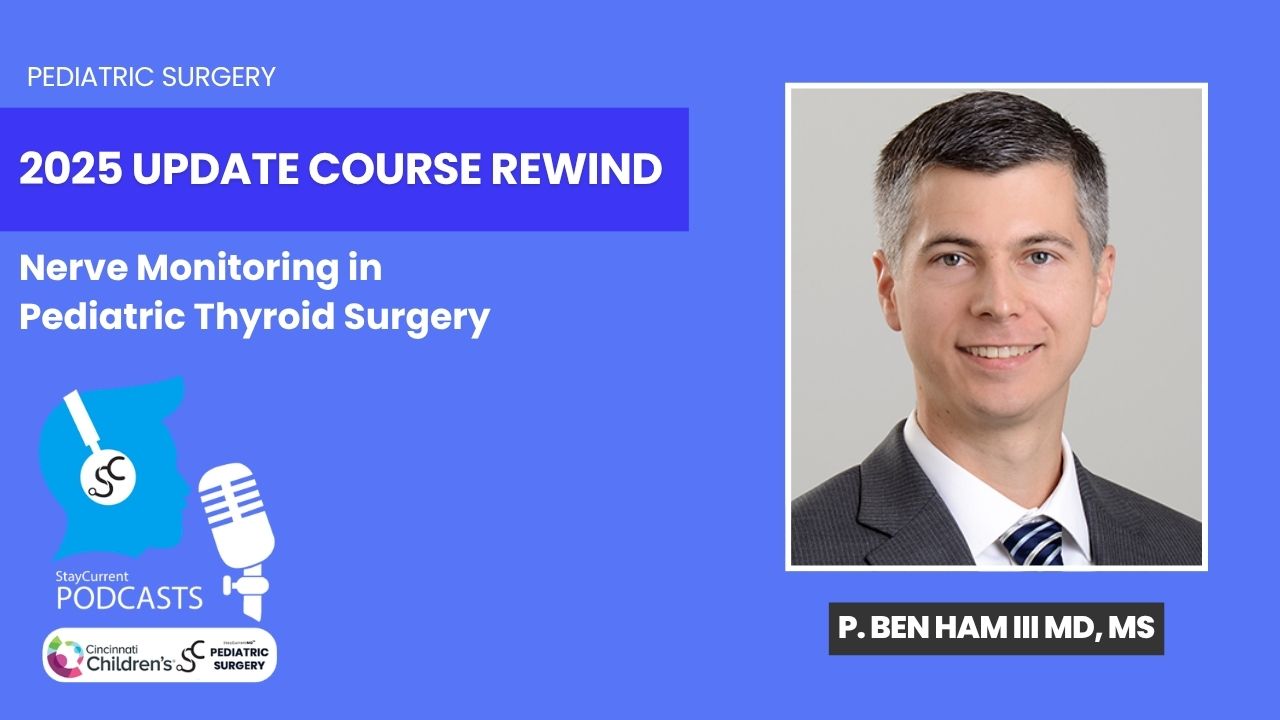
Update Course Rewind 2025: Nerve Monitoring in Pediatric Thyroid Surgery
6 min · Published Jul 2026
Video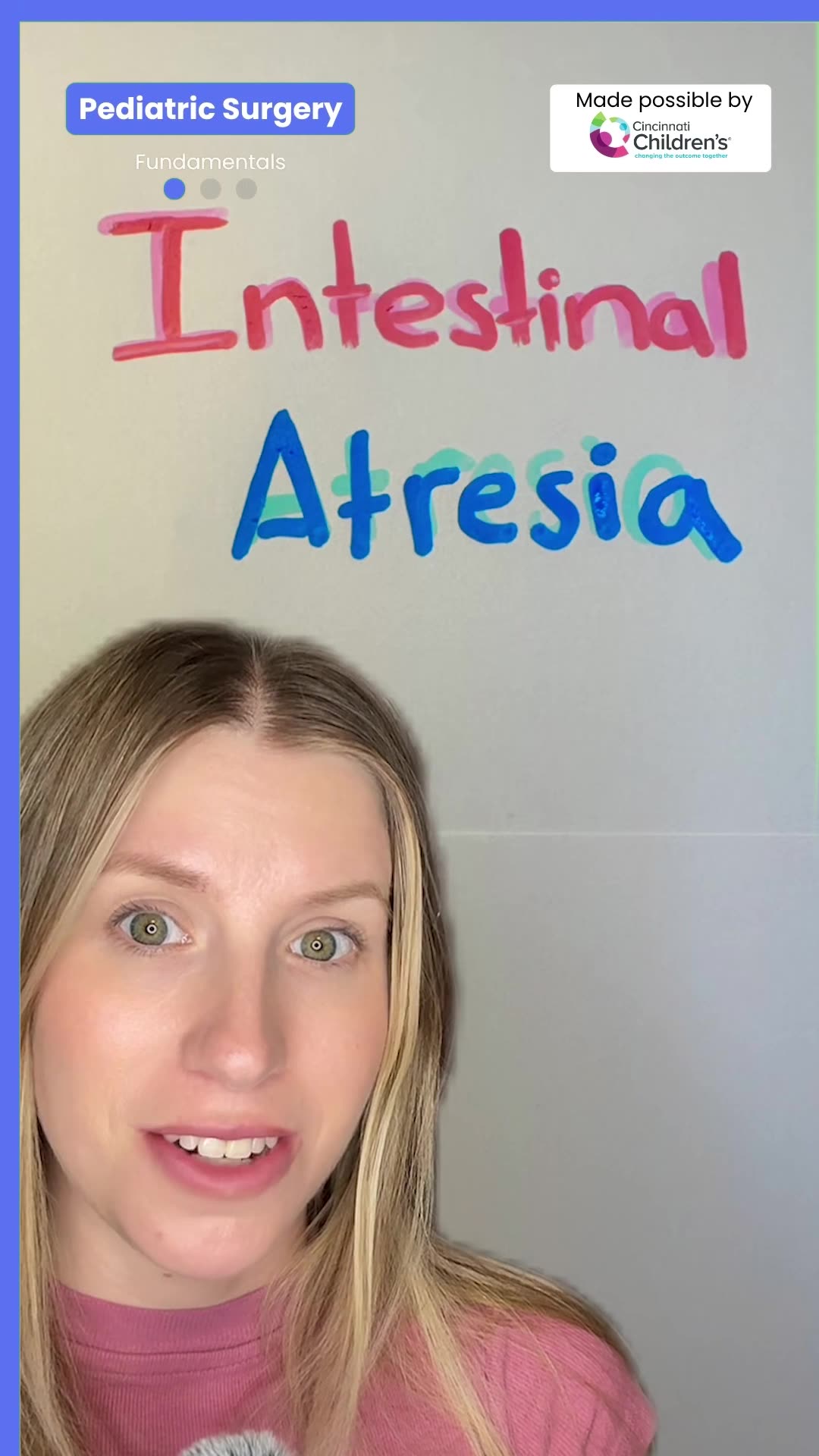
Intestinal Atresia Types Explained: Grossfeld Classification for Pediatric Surgery
1 min · Published Sep 2026
Video
Derivation and validation of the Pediatric Community-Acquired Pneumonia Severity (PedCAPS) score: A prospective cohort study
50 s · Published Sep 2026
Video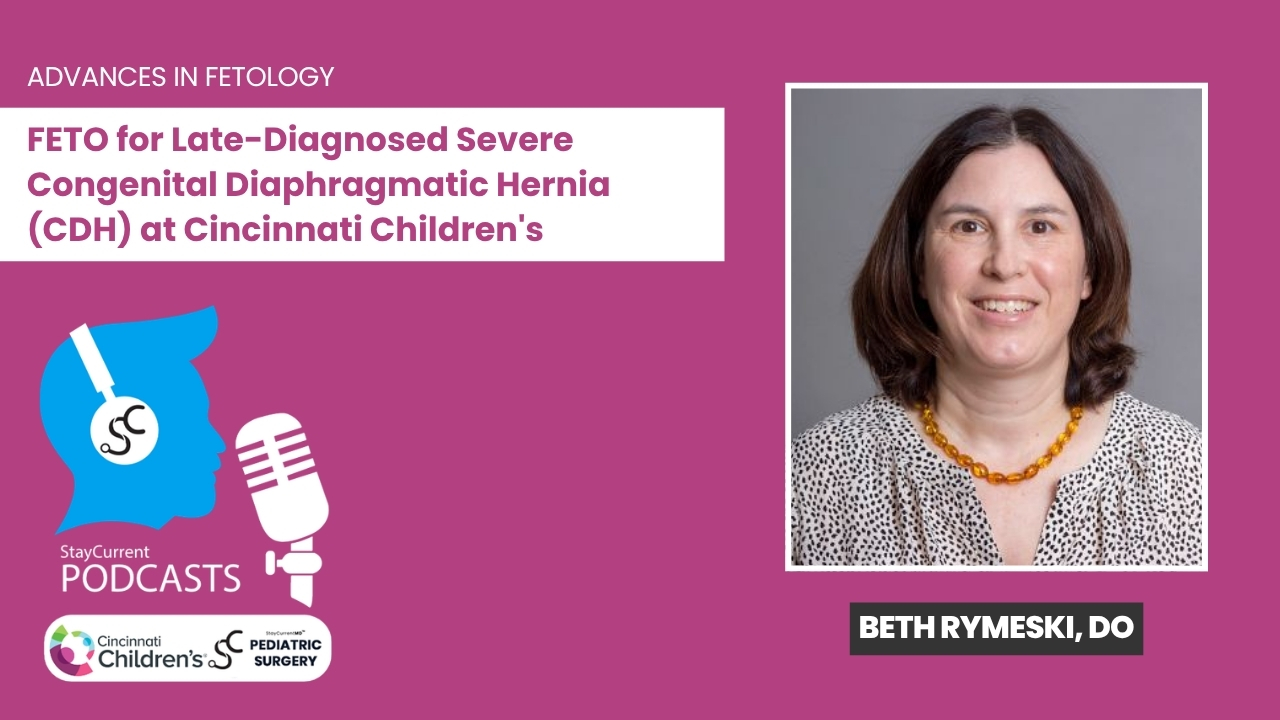
FETO for Late-Diagnosed Severe Congenital Diaphragmatic Hernia (CDH) at Cincinnati Children's with Dr. Beth Rymeski
4 min · Published Sep 2026
Video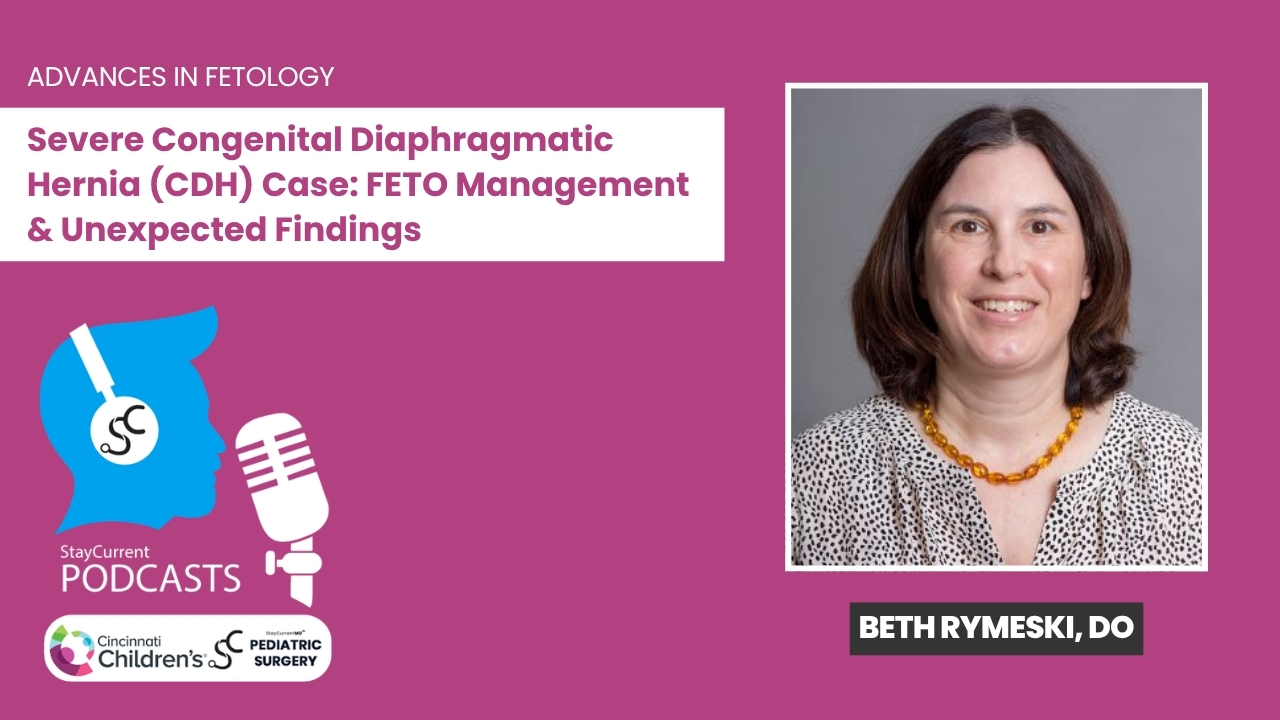
Severe Congenital Diaphragmatic Hernia (CDH) Case: FETO Management & Unexpected Findings with Dr. Beth Rymeski
3 min · Published Sep 2026
Video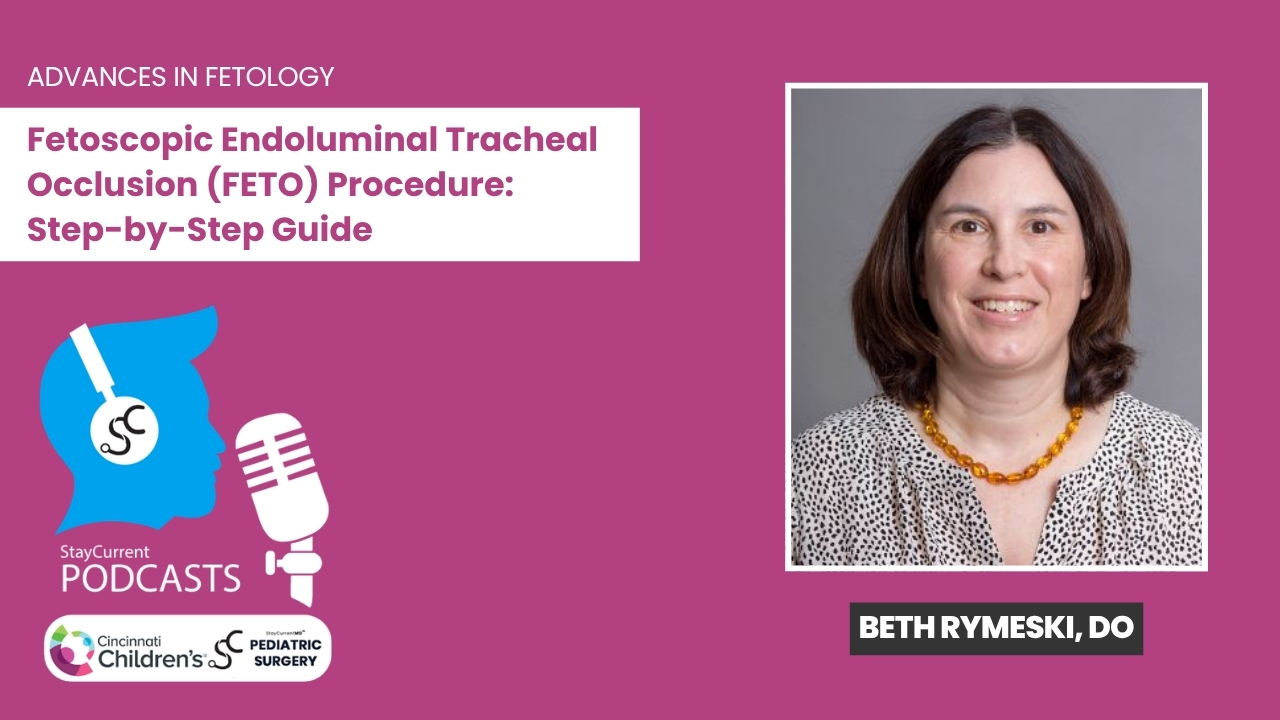
Fetoscopic Endoluminal Tracheal Occlusion (FETO) Procedure: Step-by-Step Guide with Dr. Beth Rymeski
4 min · Published Sep 2026
Video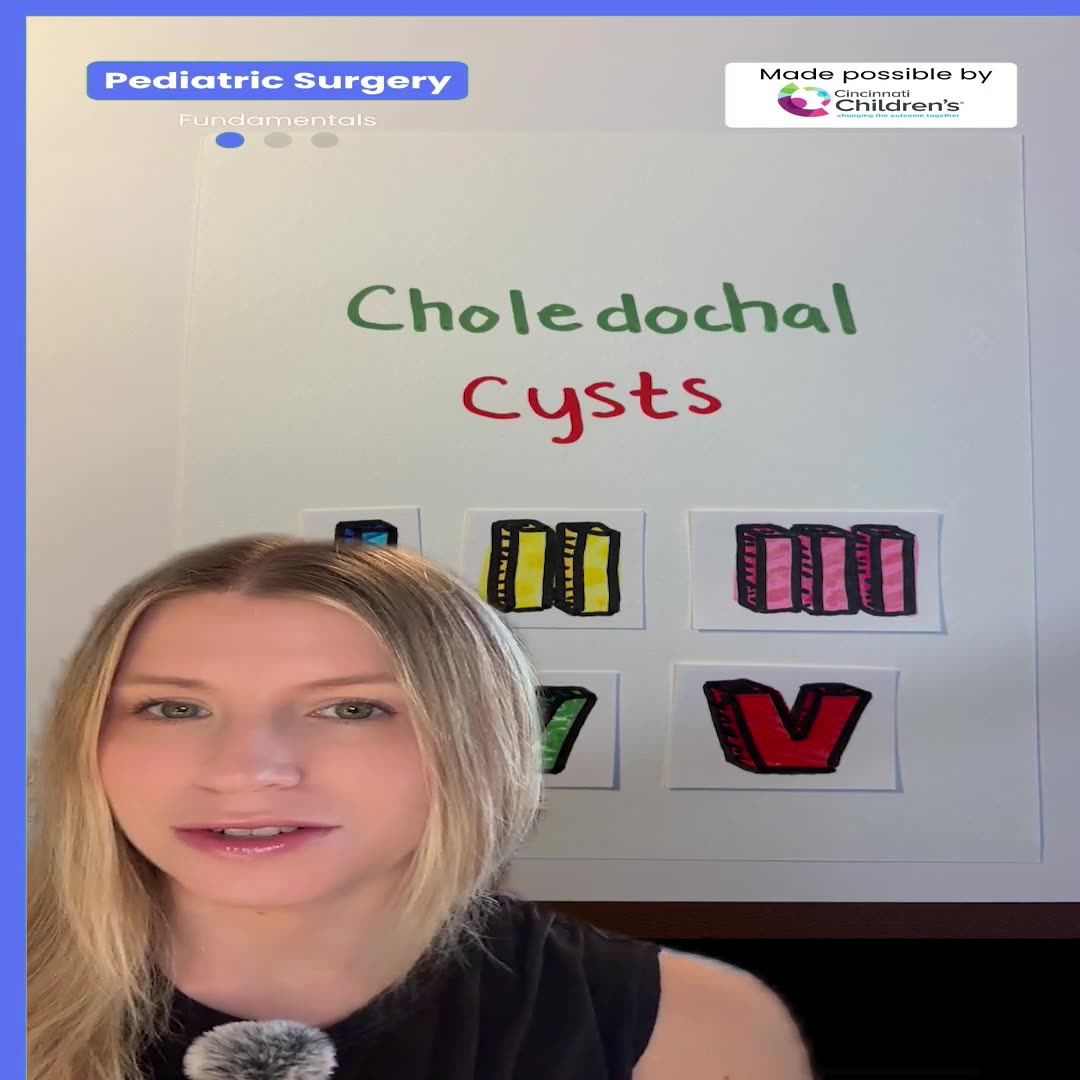
Choledochal Cyst Types Explained: Pediatric Surgery Fundamentals
1 min · Published Sep 2026