

StayCurrent Forums - Obesity in Children
With Dr. Stephanie Walsh · hosted by Dr. Jeffrey Ponsky
Chapter 1 of 6 · Fundamentals
Obesity epidemiology
Scope and epidemiology of pediatric obesity
Expert statements on this page
No expert statements were drawn from this page.
Host summaries · secondary, not cited in answers
Educational content from recorded physician discussions — not medical advice. Talk to your (or your child's) care team about your situation.
Video
Justin Ryder, MD- 2024 Pediatric Bariatric Surgery Update Course
12 min · Published Feb 2024
Video
Marc Michalsky, MD - 2024 Pediatric Bariatric Surgery Update Course
14 min · Published Feb 2024
Video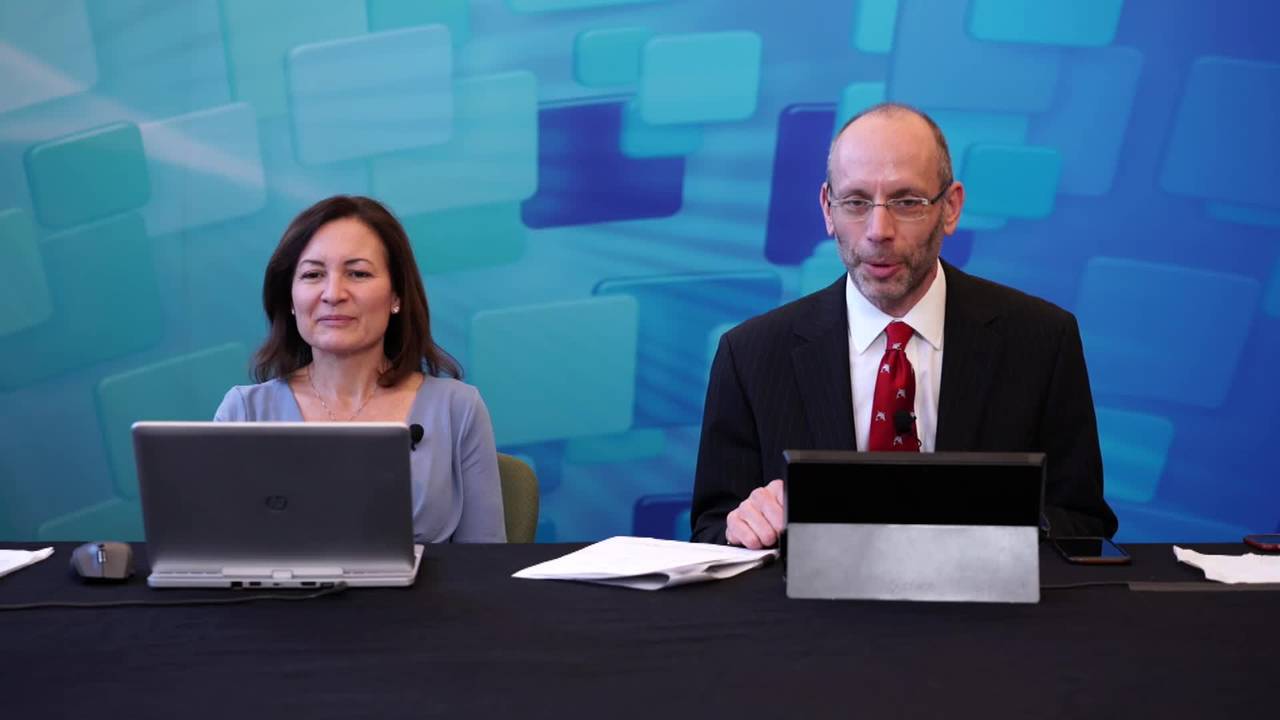
Rapid Fire and Conclusion: Pediatric Obesity 2017
23 min · Published Feb 2018
Video
Pediatric Obesity Is a Disease: Treatment, Medications, Surgery & Equity in Care with Dr. Justin Ryder
Lurie Children's Hospital · 6 min · Published Mar 2026
Video
Wrap Up Discussions - 2024 Pediatric Bariatric Surgery Update Course
13 min · Published Feb 2024
Video
Guillermo Ares, MD and Mark Wulkan, MD - 2024 Pediatric Bariatric Surgery Update Course
16 min · Published Feb 2024
What the experts said
Numbers from 2017 show approximately 14.5 million children in the United States are struggling with obesity.
Big increases in pediatric obesity have been seen with COVID.
Pediatric obesity is a worldwide problem, particularly in countries that have become more developed.
Obesity is a disease, and once weight is gained, the body fights to keep it on.
Epigenetic changes are thought to be causing higher levels of obesity.
Talking about weight with children increases the likelihood they will develop eating disorders in the future.
Management should focus on health and the whole family doing healthy habits together rather than discussing weight.
Stopping sugar drinks and sodas is recommended because these are easy calories to eliminate and are harmful to the body and liver.
There has been a tremendous decrease in physical activity among children.
Physical activity provides metabolic improvements in muscles, lungs, and other systems beyond just burning calories.
Everybody gets lifestyle changes regardless of treatment path.
There is an increase in the use of medications for pediatric obesity, with off-label use until age 18 supported by research.
Bariatric surgery is not a last resort but a viable treatment option that should be offered to children.
Bariatric surgery works well across races and cultures, being equally effective for Black, White, and Asian patients.
Medications used for pediatric obesity include GLP-1 inhibitors, phentermine, Wellbutrin, and Topamax, all used off-label.
Some GLP-1 inhibitors have been approved for ages 12 to 18.
Phentermine can cause jitteriness, increased heart rate, and usual stimulant side effects.
Wellbutrin has a black box warning because it is an antidepressant, but it can help as an activator giving patients a boost.
Some patients stay on obesity medications forever, while others can stop and sustain weight loss, though it is difficult to predict which patients will need long-term medication.
The combination of phentermine and Topamax is a medication that can be taken indefinitely.
Adult bariatric surgery patients typically have BMIs in the low 40s at the time of surgery.
Pediatric bariatric surgery patients typically have BMIs closer to 50 at the time of surgery.
Bariatric surgery produces approximately a 25 to 35% decrease in BMI.
Bariatric surgery in pediatrics is offered late, and starting at BMIs of 50 or 60 limits how far patients can expect to go with surgery.
Pediatric bariatric surgery requires a multi-month preparation process including exercise logs, food logs, and lifestyle changes.
Children's frontal lobes are not fully developed, limiting their ability to plan, which requires working with their developmental level to build skills for post-operative success.
Patients are given clear numbers about expected weight loss (approximately 25%) and told their body type will remain the same, just becoming a smaller, healthier version.
Most pediatric bariatric surgery patients have not been disappointed in their weight loss, with any weight loss making them feel good, stronger, and happier.
The sleeve gastrectomy decreases hunger after surgery because many ghrelin cells are removed.
The sleeve gastrectomy is the first choice procedure for adolescents, with Roux-en-Y gastric bypass as the second choice.
Almost all adolescent bariatric surgeries are sleeve gastrectomies.
After gastric bypass, the duodenum and gastric remnant cannot be visualized, which is a concern in young people with long life expectancy.
If sleeve gastrectomy does not work, it can be converted to a gastric bypass.
Initial post-operative issues after sleeve gastrectomy include getting patients back to eating, ensuring adequate caloric intake, and some dehydration, though dehydration has improved.
Research shows that after sleeve gastrectomy, approximately one-third of patients develop reflux, one-third experience improvement in reflux, and one-third remain the same.
New recommendations suggest performing endoscopy before patients transition to adult care after five years to check for Barrett's esophagus.
Currently, zero pediatric sleeve gastrectomy patients have required conversion to Roux-en-Y gastric bypass, though this may be seen by adult surgeons since the average patient age is 17.
Patients can be followed until age 21 at the speaker's institution.