StayCurrent Forums - Obesity in Children
Timestops (8)
Tools Used
Topic Overview
Keywords
Hashtags
Transcript
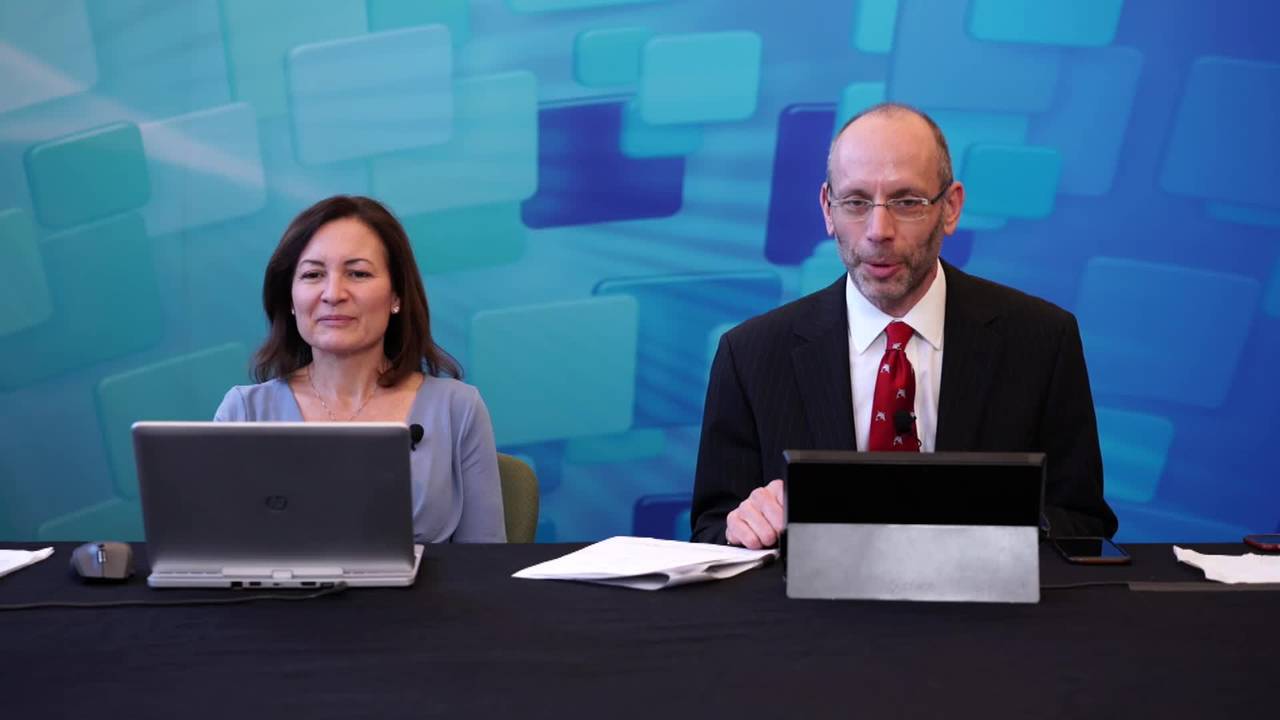
Well, I'm Dr. Jeffrey Ponssky here doing a um, stay current surgical forum. And I'd like to welcome today our guest is Dr. Stephanie Walsh, who's associate professor of both surgery and pediatrics at Emory University School of Medicine and she's board certified in both pediatrics and obesity medicine, which is an interesting area. And we're here today to talk a little bit about childhood obesity. So Stephanie, welcome. It's fun to talk to you today. Thank you. Um, let me I'm an adult surgeon and you know, we think we can do everything and we, we, we operate on patients every day for morbid obesity. And then we look at a child and we say, well, we can do this. It's simple. They're they're actually smaller. It might not be so difficult. But we don't really consider the whole area of uh childhood weight problems very uh seriously. So, can I ask you how big a problem is obesity in children? So, that's a great question and it's funny that you mentioned that adult surgeons think they can just do everything. Well, pediatric surgeons may feel the same way too. But it's been a really great development around combining bariatric surgery and adolescence with um, what we know about the adult world. So, pediatric obesity is a tremendous problem. Numbers back from 2017 show there's about 14 and a half million kids struggling. So, it's quite a large number and we've certainly seen big increases with COVID. Is this a United States problem or is this worldwide? It's at, well, we have a certainly a large problem in the United States, but it's worldwide. Anywhere that has become a little more developed, we're certainly seeing bigger issues and the levels are increasing across many countries. So, is this just a caloric intake thing that we're feeding our kids too much or is this some genetic uh issue? Tell me about the ideology of this. So that's a great question because I always tell people, if it was just calories in and calories out, I wouldn't have a job. And it wouldn't be a multi-billion dollar industry as well, right? It's just not that simple. So, while it's important to eat healthy and be active, the reality is we've seen changes. We think they're more epigenetic changes going on that are really causing us to see even higher levels. And let's not forget we've learned so much that obesity is a disease, and we now know that once you've gained the weight, your body is going to fight you to keep it on. So it's not like you can just say, oh, I'm going to cut out, you know, that soda and it's all going to get better. It just doesn't work that way. It's just not that simple. So if if I have a patient or I know somebody who has a problem with weight in childhood, where do you begin? So you start basically by not talking about weight, which is kind of a funny thing, but we don't. The more you talk about weight with your kids, the more likely they are to develop more issues and actually eating disorders in the future. So really stay focused on health and the whole family doing healthy habits together. Like I get asked all the time, what's the one thing I can do? And I wish there was one thing. I I usually do say, please stop drinking calories, no sugar drinks, no sodas, all that stuff because those are easy calories to get rid of and really harmful to your body and your liver. So those are always a good place to start, but really focusing on health, trying to get us more active. We've seen so much uh just such a tremendous decrease in physical activity amongst our kids. And and we're not appreciating. It's not just that they're out burning calories, it's also all the changes and the metabolic improvements in their muscles and their lungs and everywhere else that leads them to be healthier. So when you see these people in your office, you start with lifestyle changes and recommendations for the family and the patient. What happens after that? So, that's great. So, everybody gets lifestyle changes, no matter what path you're on, but there is certainly an increase in the use of medications for kids, off label use until they're 18, but that has been growing and there's lots of great research supporting that. And then also bariatric surgery. What I really want people to know is bariatric surgery is not a last resort. It's not that it's it's something we need to offer our kids because it's a viable option. And what's really great about bariatric surgery too is that it it works well across races and cultures. So it's not bariatric surgery is just as good if you're black or if you're white or if you're Asian. So that's what it's a really good treatment and something we need to think about. I'm I'm so interested in hearing all about, so you talked about medications. What kind of medication do you begin with? So, we've been using, you know, basically everything is off label, so lots of good discussion, but using a lot of the ones that they've been using in the adult world, we've been trying to get some of the GLP1 inhibitors used. Those have have been started. It's a little hard to get those approved, but they've actually had some that are approved for ages 12 to 18 now. I've been using a little bit of phentermine, try some wellbutrin, topamax. Those are the ones that we basically have been starting on some of the kids. And do they have any side effects the these the medications? They have the same ones that that they've been known to have in adults, right? So you have to be really careful especially with things like, you know, jitteriness with phentermine and just, you know, feeling their heart rate and the usual stimulant side effects. Wellbutrin has its own black box warning because it is an antidepressant, but I've seen a lot of kids do really well with that because wellbutrin is also a little bit of an activator. So it helps give a little bit of a boost. So if they take these medications, do they take them forever? Do they getting weight loss and then stop and have just lifestyle changes? What happens? So that's that's another good question. So some of them, they end up staying on medication forever. And it's a little hard to tell because again, it's newer in the younger population and then once they're 18, they're not, you know, they're not contraindicated. They're they're appropriate for that age. There have been some changes going on with combining phentermine and topamax and that's the medicine you can stay on forever. And it just depends. You know, I'd love to say that every case we know, they stopped the medication, they gained the weight, but that's not necessarily true. Sometimes they just need to stop the medication and and they are able to sustain. So you discuss, you said that you start discussing bariatric surgery earlier than I might think you do. At what point do you introduce the discussion of bariatric surgery? So, to give you a rough idea. So, on average when adult bariatric surgeons operate on patients, their BMIs are usually in the low 40s. And for those of us in the pediatric realm, their BMIs are usually closer to the 50s. So it's already something that's being offered late. And we know that with bariatric surgery, you see about a 25 to 35% decrease. Well, if you start at a BMI of 50 or 60, there's only so far you can expect to go with the surgery. So what we're trying to do is get rid of the stigma that weight, weight loss surgery is just for a last resort and not something you want to do and realize it's a really good tool. And the thing about pediatrics too is you don't come in and get the surgery. I had two new patients yesterday, both of whom thought they were going to get scheduled at their first visit. And we had to talk about the process. It's it's a multi-month process. You have to do exercise logs, we have them do food logs, you have to make lifestyle changes because they need to prepare for life after. And remember that these are kids and the their frontal lobe isn't developed. So therefore their ability to plan is really not there. So we work a lot with where they are developmentally and building the skills to be able to be be able to do what they need to do to be successful afterwards. So, I've met a lot of patients and taking care of a lot of patients who've had bariatric surgery. Some of them have unrealistic expectations. They think this is like going to the drugstore. How do you prepare a child psychologically for undergoing bariatric surgery? Well, we do that a lot. It's really interesting because we do have people, we talk a lot about what you want from the surgery so we can start off understanding where they're hoping to get. And we give them really clear numbers. We say things like, you're going to lose about 25%. What does that mean? And your body is your body. You're busty, you're busty, you're hippie, you're hippie, you are what you are. It's just going to be a smaller, healthier version of you. But the reality is, it's really hard to give people realistic expectations about things like this. And what we can do is just be there to offer support as they're seeing the changes and feeling better. Luckily and thankfully, we haven't had a lot of kids who've been disappointed in what what they've lost. Usually any weight loss makes them feel good and stronger and happier. And my favorite visit is that first post-op visit where they're wearing new clothes or they're putting on makeup or they just have that new zest for for life. Yeah, I've seen that. That's wonderful. The um, do you tell them about eating? You prepare them for the way they're going to have to eat after surgery. So many adults think, oh, that I'm going to go have a full steak after I have a ruin my gastric bypass. It's just not going to happen. Do you explain it to the kids? Yes. So we have lots of preparation ahead of time of what meals look like afterwards. We have them start meal prepping. We talk about, we actually give them um little cups and things and a bariatric plate so they can understand how much they'll be eating. The nice thing about the sleeve, which is the procedure that's done most often in kids is the decrease in our hunger afterwards because they a lot of those Grelin cells go away. And so really for us it's about getting them to eat after and to eat healthy in the small meals that they need to. Okay, so we only have a little time, but I really want to understand and and you said something, you said most of the time you do the sleeve. And we know that the two best operations out right now are probably the sleeve and the ruin Y gastric bypass. Mhm. How do you decide which way you're going for the child? So, for adolescence, the sleeve is always the first choice. A bypass would be then then the the second choice either for some reason. I know in our program, I think there have been one or two bypasses done and not necessarily for medical reasons, but insurance companies is really insisting that that's the better procedure. you know, with the research, but now I almost all surgeries are sleeves. And it's very interesting as a surgeon, I know that once we do a bypass, I can't see the duodenum anymore. And I worry about that in young people and uh I think that that's a long life to live where you can't see the gastric remnant or the duodenum and so, uh if the sleeve works, I think it's a great operation. If it doesn't work, we can convert it to a bypass. So so you're telling me the great proportion of your patients have sleeves, is that right? Almost everyone, almost all adolescents have sleeves. And what kind of problems do you see after sleeves? So for us usually what we see is getting them initially it's about getting them back to eating and making sure they're getting in enough calories to sustain themselves. Initially some dehydration, but even that has gotten a lot better. The big long-term surgical problems, of course you worry about um staple line, you worry about leaks, you worry about, you know, any other internal issues from having a a surgical procedure. Do you see a lot of reflux in these children? So that's interesting. So the the research really shows that about a third get reflux, a third get better reflux and a third stay the same. We have found from our patients that they do much better afterwards. But we definitely have to be really careful about that. And there's new recommendations now that before they transition to adult care after five years that you go ahead and scope them. So you can make sure internal barriers or something. Very good. Yes, you worry about that for sure. What percentage of your patients require a conversion to a ruin Y? After a sleeve. Right now zero. But so I'll go with that. But we also realized, you know, an average age our kids are 17. So if they probably require that, that's probably going to be seen by the adult guys. You follow your patients after surgery, don't you? Yes. I'm allowed to follow them in my in my institution until 21. That's fantastic. I think that so many patients get lost to follow-up and that's a shame because they they do the wrong thing. I want to thank you so much, Stephanie. This has been so much fun for me because it's a question that I've always wondered about for a long time and it's fun to find an expert who really deals with on a daily basis these patients. So thank you so much for allowing me the time to interview today. I've loved it. Thank you. I had a great time too. Thank you.