


Chapter 1 of 4 · Fundamentals
Procedure overview
Introduction to Heller myotomy and procedural overview
Expert statements on this page
No expert statements were drawn from this page.
Host summaries · secondary, not cited in answers
Educational content from recorded physician discussions — not medical advice. Talk to your (or your child's) care team about your situation.
Video
Update Course 2023 - Updates in Pediatric Achalasia Management
26 min · Published Aug 2023
Podcast
Gastroesophageal Reflux Disease
Jeffrey Ponsky · 33 min · Published Jun 2016
Podcast
Gastroesopheal Reflux Disease
33 min · Published Dec 2016
Video
Update Course Rewind: Updates in Achalasia 2023
Published Mar 2024
Video
How effective is POEM in children?
Published Oct 2019
Video
Endoscopy and Surgery
Jeffrey Ponsky · 11 min · Published Mar 2021
Video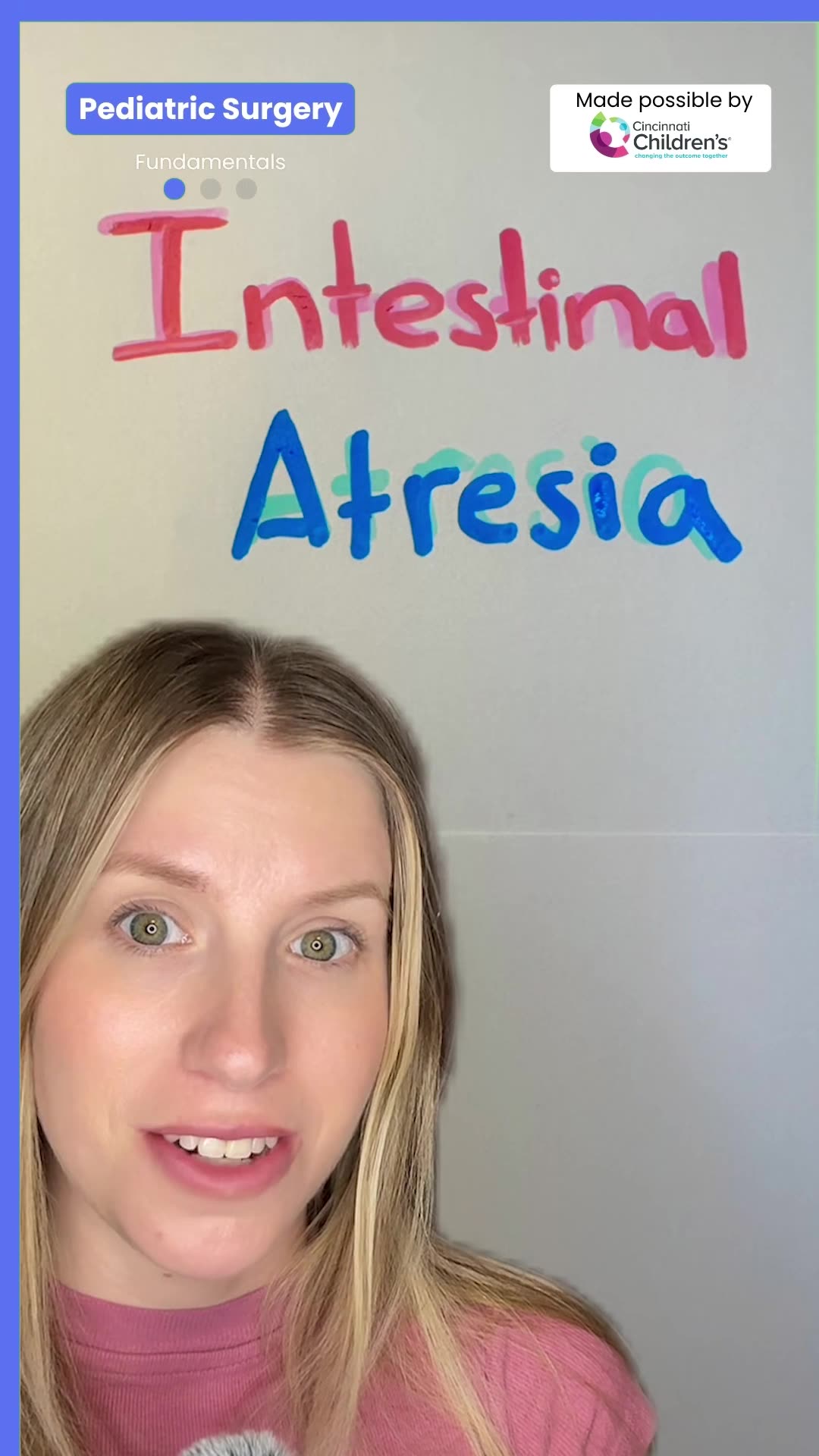
Intestinal Atresia Types Explained: Grossfeld Classification for Pediatric Surgery
1 min · Published Sep 2026
Video
Derivation and validation of the Pediatric Community-Acquired Pneumonia Severity (PedCAPS) score: A prospective cohort study
50 s · Published Sep 2026
Video
FETO for Late-Diagnosed Severe Congenital Diaphragmatic Hernia (CDH) at Cincinnati Children's with Dr. Beth Rymeski
4 min · Published Sep 2026
Video
Severe Congenital Diaphragmatic Hernia (CDH) Case: FETO Management & Unexpected Findings with Dr. Beth Rymeski
3 min · Published Sep 2026
Video
Fetoscopic Endoluminal Tracheal Occlusion (FETO) Procedure: Step-by-Step Guide with Dr. Beth Rymeski
4 min · Published Sep 2026
Video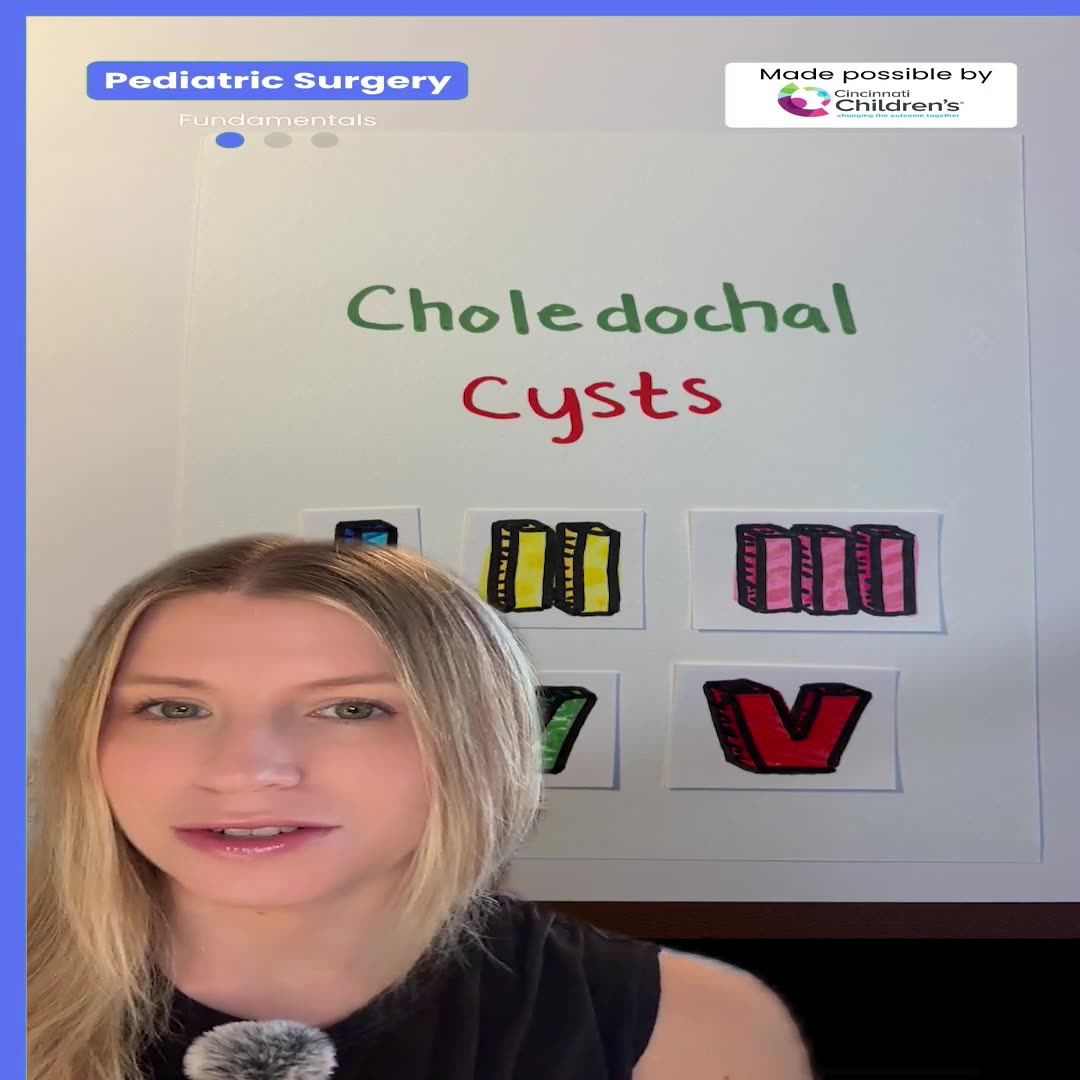
Choledochal Cyst Types Explained: Pediatric Surgery Fundamentals
1 min · Published Sep 2026
What the experts said
Children account for approximately 5% of all patients with achalasia.
The Heller esophagocardiomyotomy is the most definitive treatment for achalasia.
The four major steps of Heller myotomy are mobilization of the distal esophagus, a long esophagomyotomy carried onto the stomach as a cardiomyotomy, and an anterior fundoplication to cover the myotomy and decrease gastroesophageal reflux.
The most critical part of the Heller operation is the myotomy, where mucosal perforations can occur, typically secondary to burns from an energy source such as hook cautery.
Myotomy can be performed in a precise manner without the use of any energy source.
An 8-centimeter silk suture is used to measure the distance from the diaphragm to the cardia during the procedure.
The posterior attachments of the esophagus to the hiatus are kept intact during mobilization.
An arthroscopic knife introduced through the abdominal wall is used to initiate the esophageal myotomy, then scissors deepen the myotomy.
A right-angle grasper spreads the muscle fibers, and once the longitudinal muscle is mobilized, traction in opposite directions achieves satisfactory separation without injury to the submucosa.
The myotomy proceeds from distal to proximal, with the outer longitudinal and inner circular layers well identified, including individual circular fibers which can be precisely divided by the tip of the instrument with the heel protecting the submucosa.
The dissection is bloodless when performed with this technique.
After reaching the proximal extent of the esophagus at the diaphragm, the direction of dissection is reversed to extend the myotomy onto the gastric cardia for approximately 2 centimeters.
The myotomy is tested by pulling the nasogastric tube back to the hiatus and performing air insufflation.
The procedure is completed with an anterior fundoplication.
The patient had near-complete resolution of symptoms postoperatively.
A postoperative contrast study confirmed resolution of the esophageal obstruction.