


From
StayCurrentMD
Maintenance Fluids in Resuscitation: 2018 Pediatric Surgery Practice Gap #4
With Dr. Todd Ponsky
Part of
Hyponatremia 3 items
Chapter 1 of 1 · Evidence & Research
Maintenance fluids
Practice Gap #4: Isotonic vs Hypotonic Maintenance Fluids
Expert statements on this page
No expert statements were drawn from this page.
Host summaries · secondary, not cited in answers
Educational content from recorded physician discussions — not medical advice. Talk to your (or your child's) care team about your situation.
Video
Isotonic maintenance fluid: Practice Gap discussion at Update Course 2018
5 min · Published Aug 2018
Video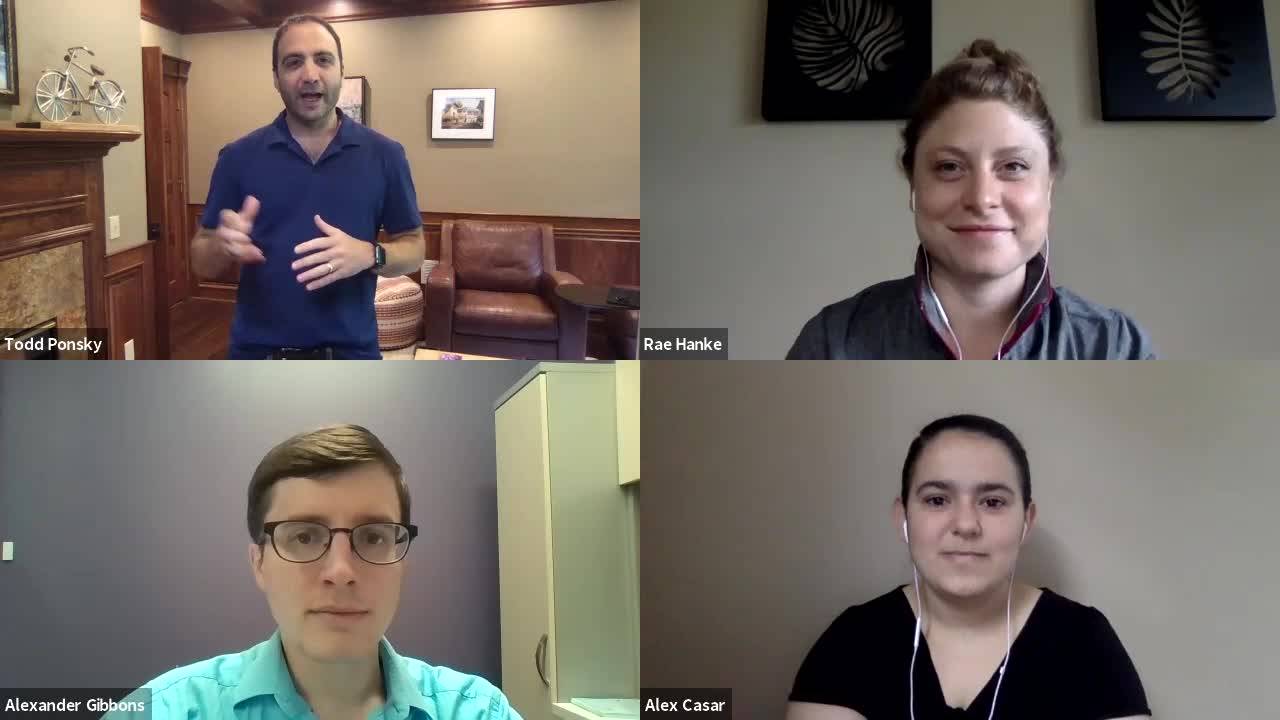
Journal Club: Review of 2018 Pediatric Surgery Practice Gaps
Dr. Todd Ponsky · Published Jul 2019
Video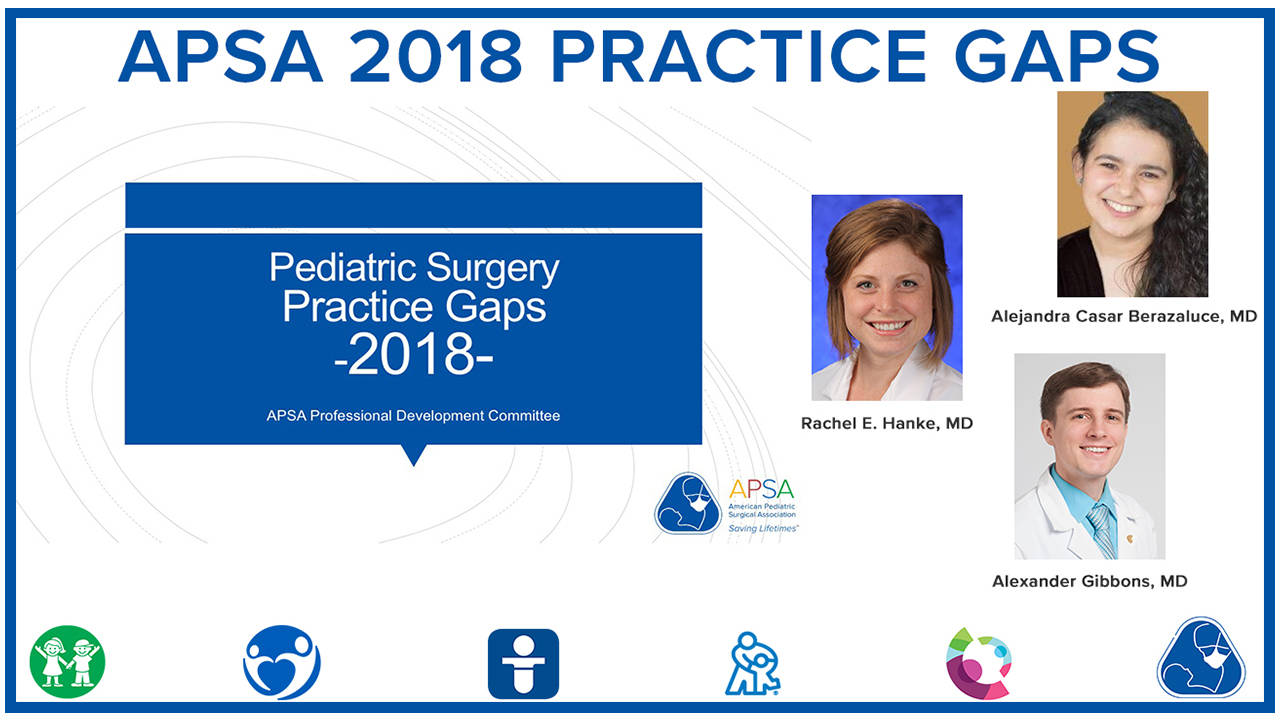
APSA 2018 Practice Gaps
Published Mar 2020
Video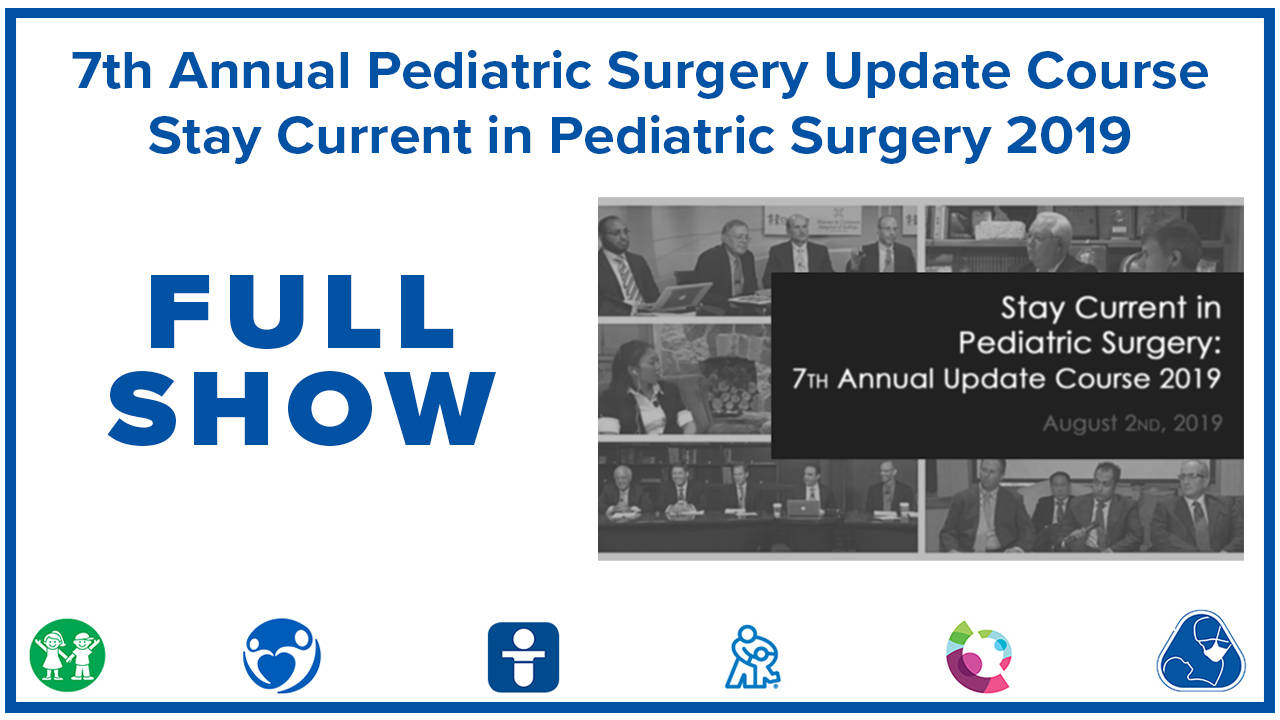
7th Annual Pediatric Surgery Update Course 2019 - FULL SHOW
285 min · Published Jul 2020
Video
Acute Cholecystitis
Todd Ponsky · 32 min · Published Jul 2026
Video
Update Course Rewind 2025: Updates in NEC Management
11 min · Published Jul 2026
Video
Pediatric Pre-Operative Bowel Prep
Todd Ponsky · 1 min · Published Jul 2026
Video
Journal of Pediatric Surgery Article Review: September 2021
Todd Ponsky · 11 min · Published Jul 2026
Video
22. HerniaTalk LIVE Q&A: Pediatric Hernias
Todd Ponsky · 59 min · Published Jul 2026
Video
ATLS 2021 Pediatric Surgery Update
Todd Ponsky · 16 min · Published Jul 2026
Video
Intestinal Atresia Types Explained: Grossfeld Classification for Pediatric Surgery
1 min · Published Sep 2026
Video
Derivation and validation of the Pediatric Community-Acquired Pneumonia Severity (PedCAPS) score: A prospective cohort study
50 s · Published Sep 2026
Video
FETO for Late-Diagnosed Severe Congenital Diaphragmatic Hernia (CDH) at Cincinnati Children's with Dr. Beth Rymeski
4 min · Published Sep 2026
Video
Severe Congenital Diaphragmatic Hernia (CDH) Case: FETO Management & Unexpected Findings with Dr. Beth Rymeski
3 min · Published Sep 2026
Video
Fetoscopic Endoluminal Tracheal Occlusion (FETO) Procedure: Step-by-Step Guide with Dr. Beth Rymeski
4 min · Published Sep 2026
Video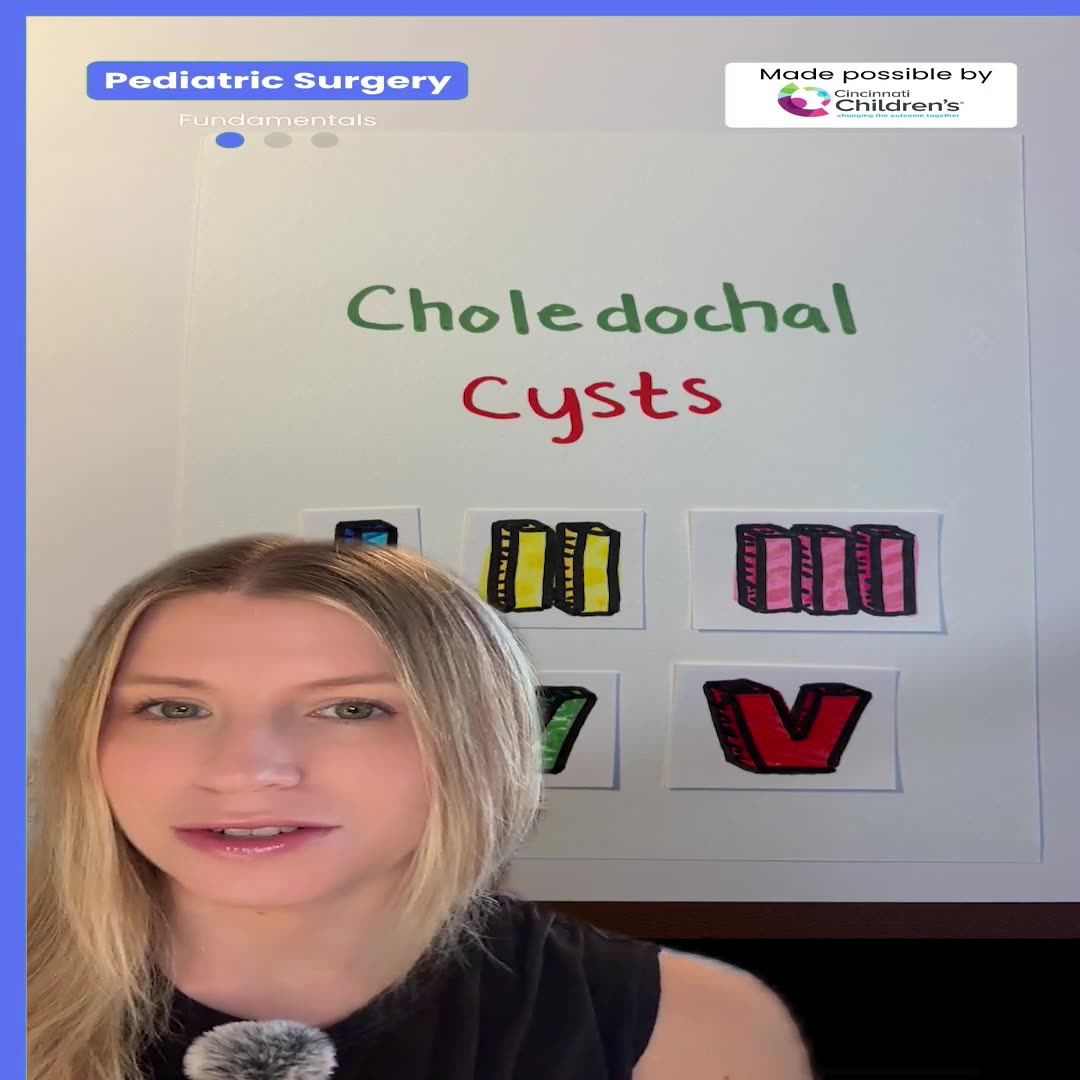
Choledochal Cyst Types Explained: Pediatric Surgery Fundamentals
1 min · Published Sep 2026
What the experts said
Traditional training involved starting with normal saline or LR and then switching to half normal saline or quarter normal saline
Despite available evidence, most practitioners are still reluctant to adopt isotonic maintenance fluids
Many practitioners still order hypotonic fluids on the floor
Traditional dogma was to switch from isotonic to hypotonic fluids once reaching maintenance phase
New recommendation is to continue with isotonic fluids during maintenance phase
Continuing isotonic fluids decreases the risk of hyponatremia without any adverse consequences