


From
StayCurrentMD
Inside a FETO Procedure: Fetoscopic Balloon Tracheal Occlusion with Dr. Beth Rymeski
With Dr. Beth Rymeski · hosted by Dr. Jill Knepprath
Chapter 1 of 6 · Fundamentals
FETO overview
Introduction and FETO Overview
Expert statements on this page
No expert statements were drawn from this page.
Host summaries · secondary, not cited in answers
Educational content from recorded physician discussions — not medical advice. Talk to your (or your child's) care team about your situation.
Video
Yuichiro Miyake, MD - Best of the Best in Pediatric Surgery 2024
Dr. Todd Ponsky · 7 min · Published Feb 2024
Video
Kasra Khalaj, MSc, PhD - Best of the Best in Pediatric Surgery 2024
Dr. Todd Ponsky · 7 min · Published Feb 2024
Podcast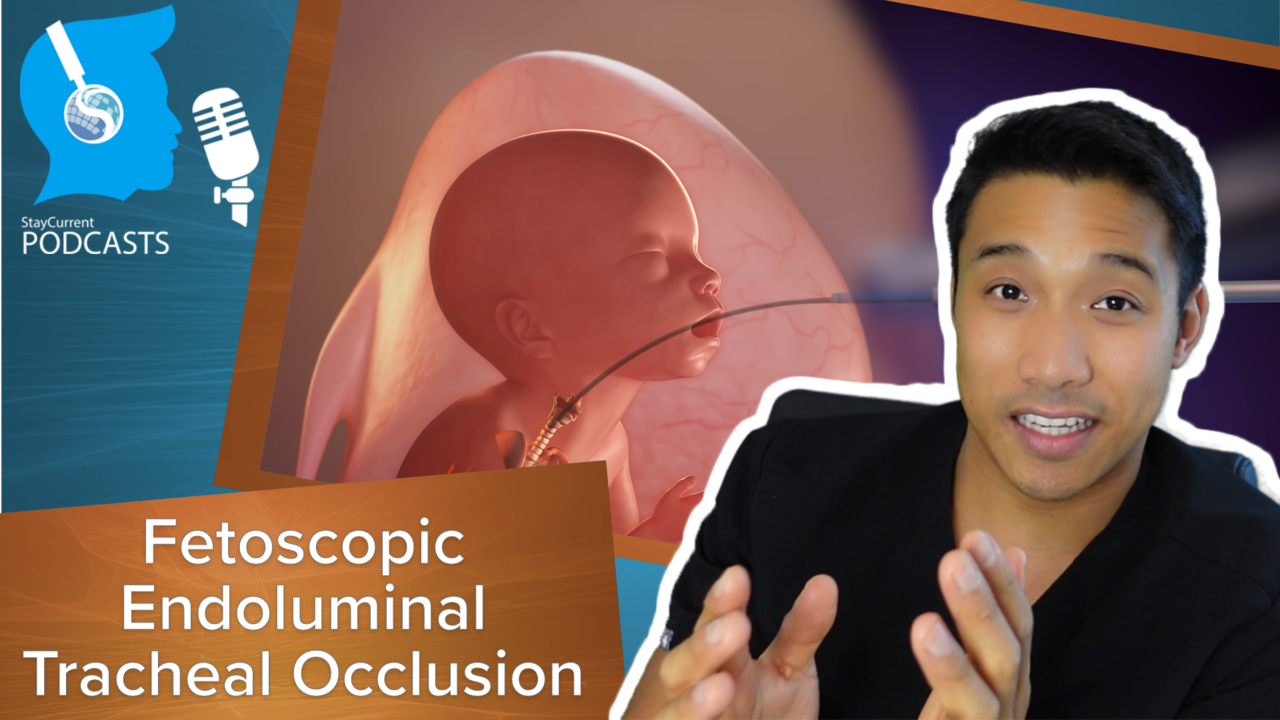
Fetoscopic Endoluminal Tracheal Occlusion (FETO)
5 min · Published Jul 2021
Video
Tracheomalacia and tracheomegaly in infants and children with congenital diaphragmatic hernia managed with and without fetoscopic endoluminal tracheal occlusion (FETO): a multicentre, retrospective cohort study
59 s · Published Oct 2024
Video
EUPSA - MicroRNAs in amniotic fluid stem cellextracellular vesicles modulate lung development in experimental congenital diaphragmatic hernia - Kasra Khalaj
10 min · Published May 2022
Video
CAPS - Administration of amniotic fluid stem cell extracellular vesicles regenerates the lung epithelium in fetal rats with CDH at translationally relevant developmental stages - Kasra Khalaj
7 min · Published May 2022
Video
Utility of Fluorescence In Situ Hybridization as a Fetal Surgery Eligibility Criterion for....
52 s · Published Jun 2026
Video
The fetal frontier: A review of current and emerging fetal therapies for genetic diseases
44 s · Published May 2026
Video
Myelomeningoceles (open spina bifida) -Fetoscopic Intrauterine Myelomeningocele Closure
Lurie Children's Hospital · 3 min · Published Dec 2025
Video
Quick Literature Updates Ep 19
4 min · Published May 2025
Video
Open Fetal Surgery & EXIT Procedure with Dr. Jose Peiro
CCHMC Pediatric Surgery · 10 min · Published Oct 2024
Video
Update Course 2022 - APSA PDC UPDATES - Mary Edwards, Paul Jeziorczak, Craig Lillehei, and Charles Snyder,
64 min · Published Sep 2022
Video
FETO for Late-Diagnosed Severe Congenital Diaphragmatic Hernia (CDH) at Cincinnati Children's with Dr. Beth Rymeski
4 min · Published Sep 2026
Video
Severe Congenital Diaphragmatic Hernia (CDH) Case: FETO Management & Unexpected Findings with Dr. Beth Rymeski
3 min · Published Sep 2026
Video
Fetoscopic Endoluminal Tracheal Occlusion (FETO) Procedure: Step-by-Step Guide with Dr. Beth Rymeski
4 min · Published Sep 2026
Video
Update Course 2022 - UPDATES IN GASTROSCHISIS FEEDING PROTOCOLS - Jason Fraser, Beth Rymeski, and Steven Lee
21 min · Published Sep 2022
Podcast
Update Course Rewind: 2020 Colorectal Part 2
11 min · Published Mar 2021
Video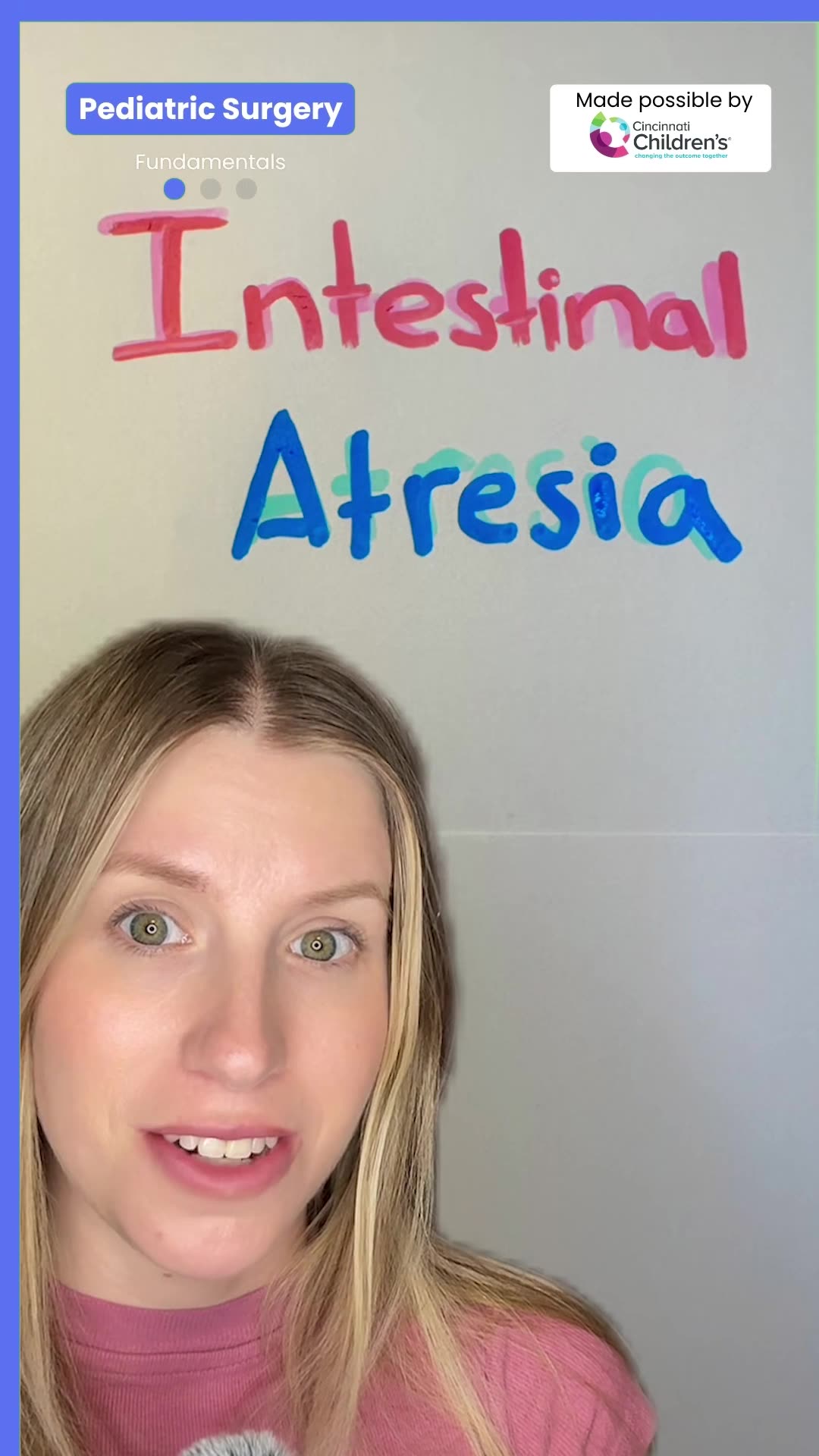
Intestinal Atresia Types Explained: Grossfeld Classification for Pediatric Surgery
1 min · Published Sep 2026
Video
Derivation and validation of the Pediatric Community-Acquired Pneumonia Severity (PedCAPS) score: A prospective cohort study
50 s · Published Sep 2026
Video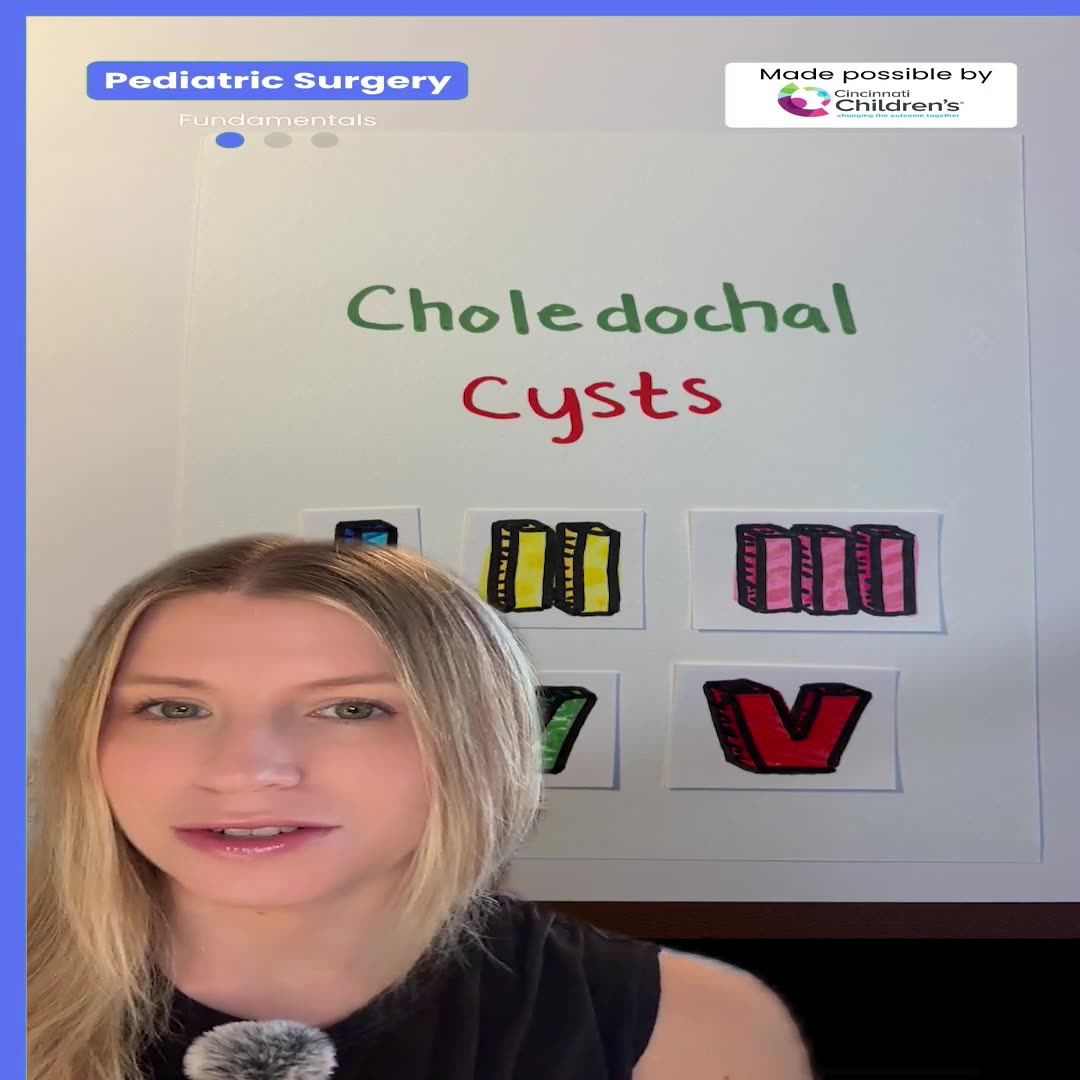
Choledochal Cyst Types Explained: Pediatric Surgery Fundamentals
1 min · Published Sep 2026
Video
Automated control of inspired oxygen in mechanically ventilated trauma and acute care surgery patients: A randomized controlled trial
48 s · Published Sep 2026
Video
Esophageal Atresia & Tracheoesophageal Fistula (EA/TEF) Types Explained for Pediatric Surgery
2 min · Published Sep 2026
Video
Effect of Timing of Secondary Alveolar Bone Grafting on Maxillary Incisor Development in Patients With Cleft Lip and Palate
42 s · Published Sep 2026
What the experts said
FETO is a percutaneous intervention on the mother using one trocar placed through the abdominal wall into the uterus.
A standard fetoscope with a side channel is used, and the balloon is worked through the side channel.
The tongue is an easy landmark to identify during FETO because it is bumpy in appearance.
Fluid is hooked up to the scope and can be intermittently turned on and off to push tissue away from the scope to allow easier advancement.
If the baby's head is not perfectly in alignment with the scope, twisting and turning is required to navigate through the mouth.
The epiglottis is a key landmark to locate when navigating to the trachea.
Excessive torquing of the membranes should be avoided because the scope goes through the abdominal wall and uterine wall, and excessive turning can cause membrane damage.
The scope should always be advanced until the carina is visualized, which confirms location in the trachea and not the esophagus.
The balloon should not be driven into one side of the trachea or the other; it should inflate in the main trachea.
The scope is backed up as the balloon is inflated so that balloon inflation can be watched.
The balloon contains a little metal ball that can be visualized.
The goal of FETO is to allow fluid to stay in the lungs and allow the lungs to expand and grow.
FETO helps prevent pulmonary hypoplasia, which is a big factor in poor outcomes for CDH babies.
The balloon is filled with around 0.65 to 0.8 mL of water, depending on the size of the trachea.
Sometimes the trocar advances into the mouth during the procedure and needs to be backed out.
Final confirmation includes advancing the scope one more time to verify the balloon is below the vocal cords and in the main trachea.