


Chapter 1 of 6 · Surgical Management
Vessel clipping
Vessel dissection and clip placement technique near diaphragm
Expert statements on this page
No expert statements were drawn from this page.
Host summaries · secondary, not cited in answers
Educational content from recorded physician discussions — not medical advice. Talk to your (or your child's) care team about your situation.
More about this diagnosis
Bronchogenic cystVideo
LLL intra lobar JRS
Dr. Steve Rothenberg · 4 min · Published May 2026
Video
Congenital Lung Malformations: CPAM, BPS, CLE, and Bronchogenic Cyst Explained
3 min · Published Oct 2026
Video
Postnatal Management of Lung Lesions Part II: Pediatric Thoracic Surgery...
Dr. Todd Ponsky · 25 min · Published Aug 2017
Podcast
Neonatal Lung Lesions with Dr. Steven Rothenberg
66 min · Published Jan 2017
Podcast
The Full Story on CPAMs
56 min · Published Sep 2021
Podcast
Hepatic Infections: Hepatitis, Abscess & Cysts with Dr. Alex Bondoc
15 min · Published Oct 2023
Video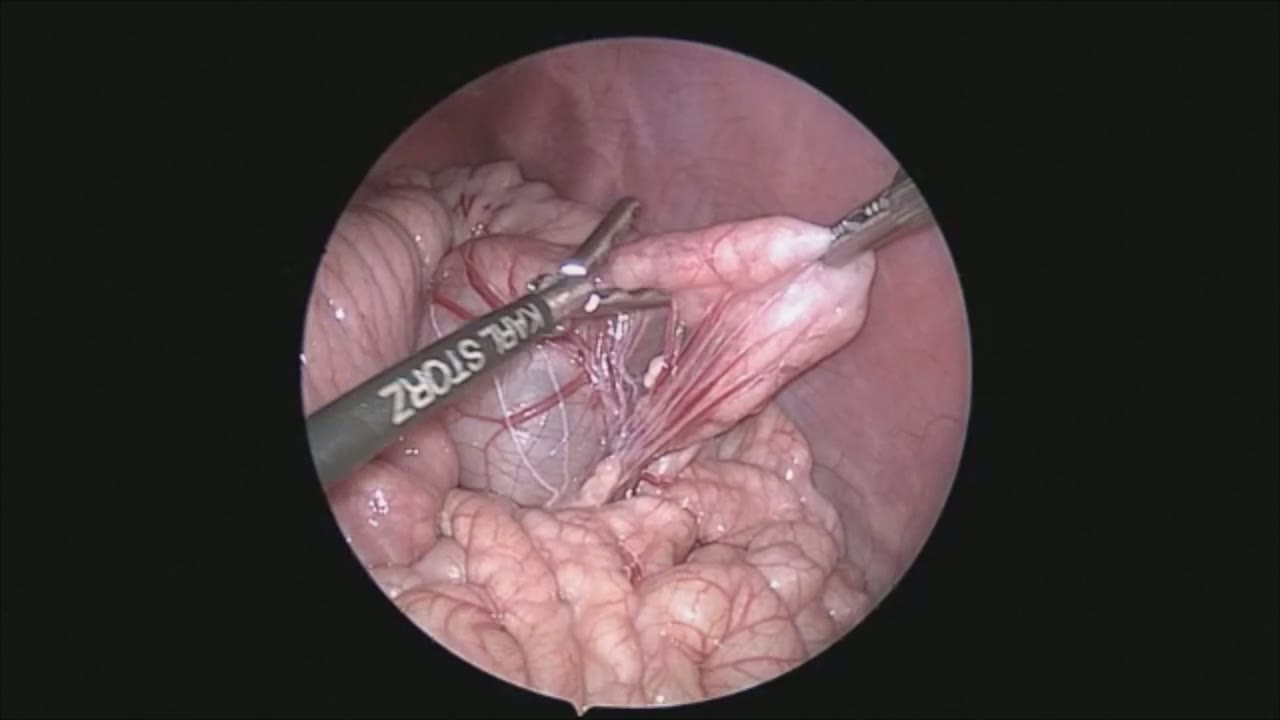
sealer demo
Dr. Steve Rothenberg · 3 min · Published May 2026
Video
pyloric knife
Dr. Steve Rothenberg · Published May 2026
Video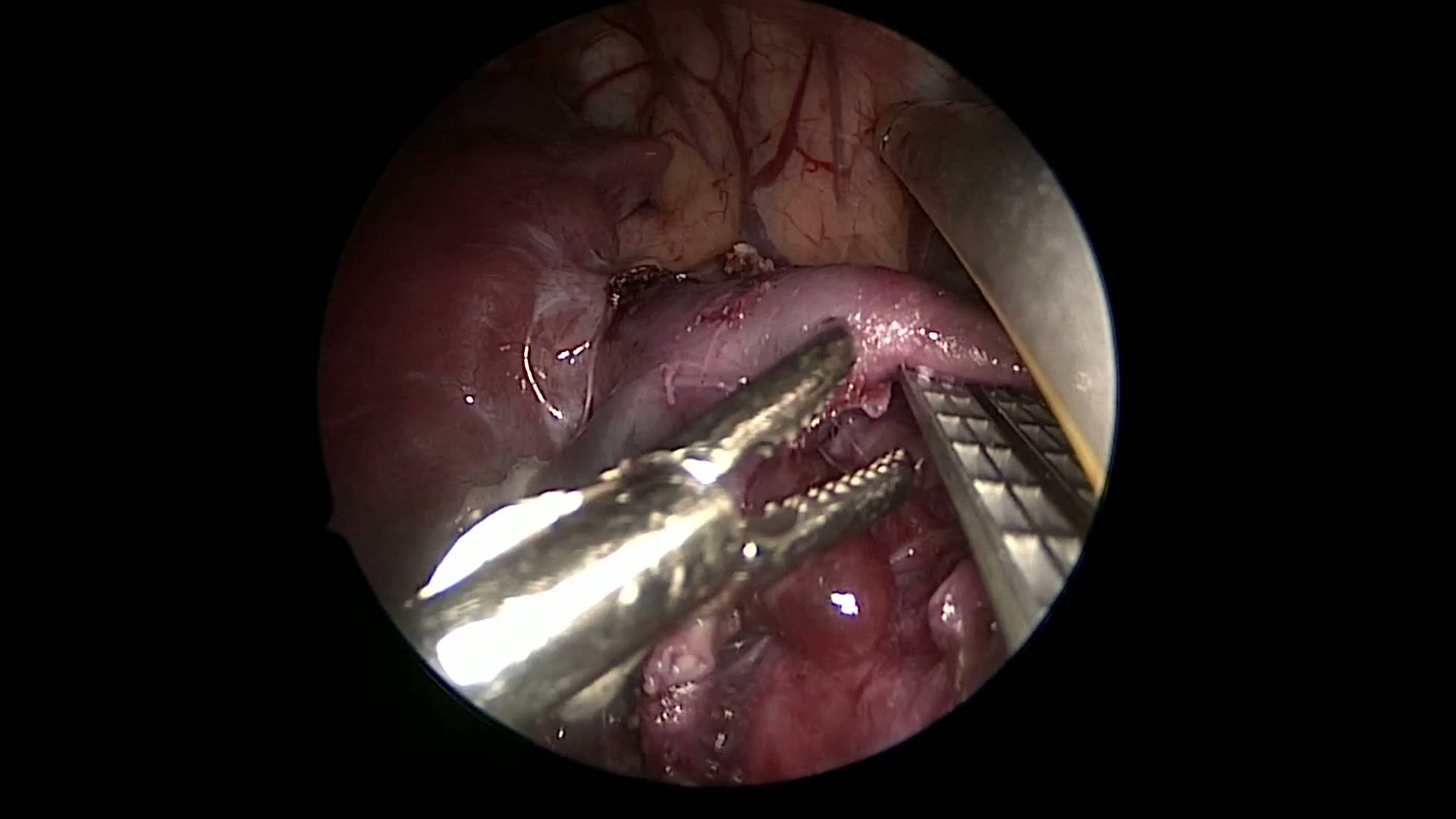
pulm artery LLL
Dr. Steve Rothenberg · 9 s · Published May 2026
Video
plication narrated
Dr. Steve Rothenberg · 6 min · Published May 2026
Video
percuvance redo nissen
Dr. Steve Rothenberg · 5 min · Published May 2026
Video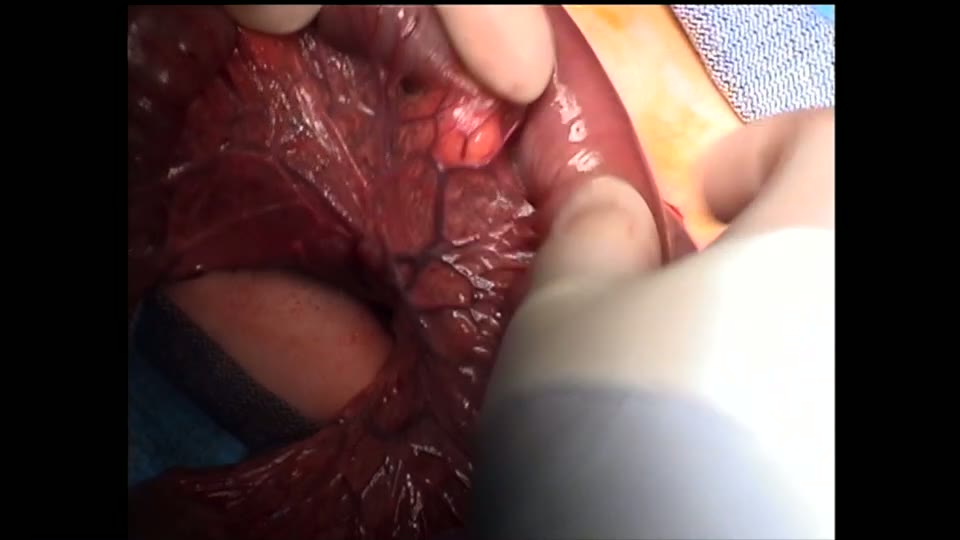
open bowel anast
Dr. Steve Rothenberg · Published May 2026
Video
Intestinal Atresia Types Explained: Grossfeld Classification for Pediatric Surgery
1 min · Published Sep 2026
Video
Derivation and validation of the Pediatric Community-Acquired Pneumonia Severity (PedCAPS) score: A prospective cohort study
50 s · Published Sep 2026
Video
FETO for Late-Diagnosed Severe Congenital Diaphragmatic Hernia (CDH) at Cincinnati Children's with Dr. Beth Rymeski
4 min · Published Sep 2026
Video
Severe Congenital Diaphragmatic Hernia (CDH) Case: FETO Management & Unexpected Findings with Dr. Beth Rymeski
3 min · Published Sep 2026
Video
Fetoscopic Endoluminal Tracheal Occlusion (FETO) Procedure: Step-by-Step Guide with Dr. Beth Rymeski
4 min · Published Sep 2026
Video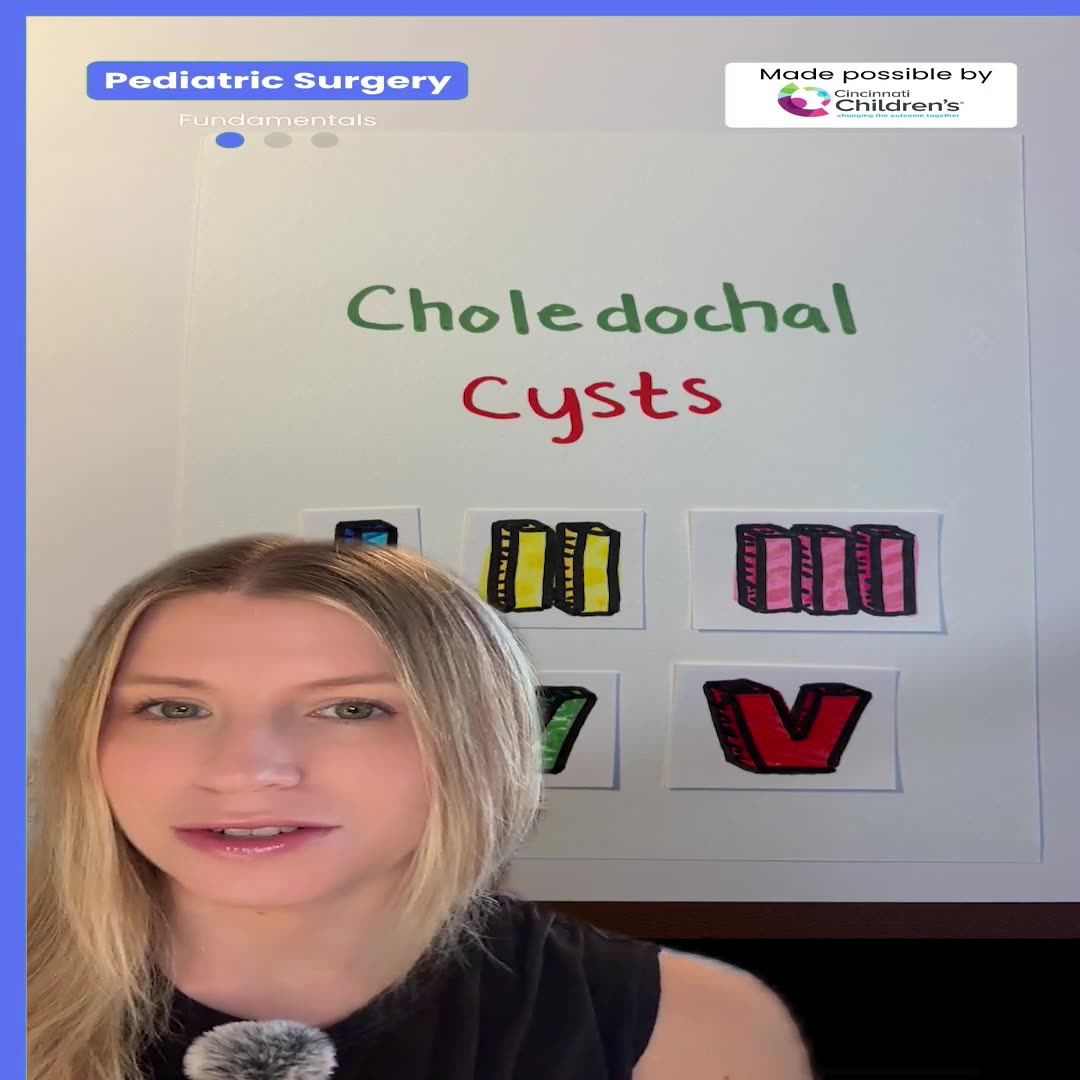
Choledochal Cyst Types Explained: Pediatric Surgery Fundamentals
1 min · Published Sep 2026
What the experts said
Dividing tissue will free up the lower lobe and help pull it away to maximize length
Clips should be placed as close to the diaphragm as possible while maximizing vessel length
Using more of the instrument tip allows better visualization of the vessel itself
Standard technique is to measure 10 centimeters up from the pylorus using 10 centimeter silk
The G-tube location typically corresponds to approximately 10 centimeters from the pylorus
After placing a suture loop, grasping the peritoneum with Maryland forceps and pulling up on the loop can reposition the suture
The differential diagnosis for the cystic lesion includes whether it represents two elements or a bronchogenic cyst
A superior segment resection is feasible based on the anatomical findings
Unroofing the top of the cyst and carrying the dissection back allows visualization of how it separates from upper lobe vessels
The superior segment artery is expected to be located within the dissection plane near the cyst
Lymph nodes in the area need to be removed to facilitate the dissection
After taking the artery, a dissection plane will become apparent
Vessel control can be achieved with either an endo-loop or clips