


From
StayCurrentMD
Perinatal prognostic factors of recurrence or functional sequelae in neonatal sacrococcygeal teratoma, and implications for prenatal counselling: a multicenter retrospective study.
Part of
Pediatric Oncology 696 items
jpedsurg.org shows its articles on its own site.
Read the article on jpedsurg.org ↗Article · Sep 2025 · 1 min read
In brief
In brief
This multicenter study examines perinatal prognostic factors affecting recurrence and functional outcomes in neonatal sacrococcygeal teratoma, the most common fetal and neonatal tumor. Findings aim to improve prenatal counseling for families facing this rare congenital condition that affects approximately 1 in 10,000-40,000 births.
- SCT prevalence is 1/10,000-1/40,000 births with 4:1 female predominance, making it the most common fetal/neonatal tumor.
- SCT is defined by presence of ≥2 tissues from all 3 embryonic germ layers in the sacrococcygeal region.
- SCT exemplifies the link between congenital malformations and pediatric tumorigenesis.
- Degree of tissue maturation in SCT varies, impacting prognosis and recurrence risk.
Written by the GCMD Library team from the article.
With an estimated prevalence of 1/40,000-1/10,000 births and a sex ratio of four female for one male [1–3], sacrococcygeal teratoma (SCT) is the most frequent tumor encountered in the fetus and neonate. SCT is an archetypical example of the links between congenital malformations and tumorigenesis in children. It is defined by the presence, in the sacrococcygeal region, of at least two tissues originating from the three primitive embryonic layers, with possible various degrees of maturation [4].
Educational content from recorded physician discussions — not medical advice. Talk to your (or your child's) care team about your situation.
Video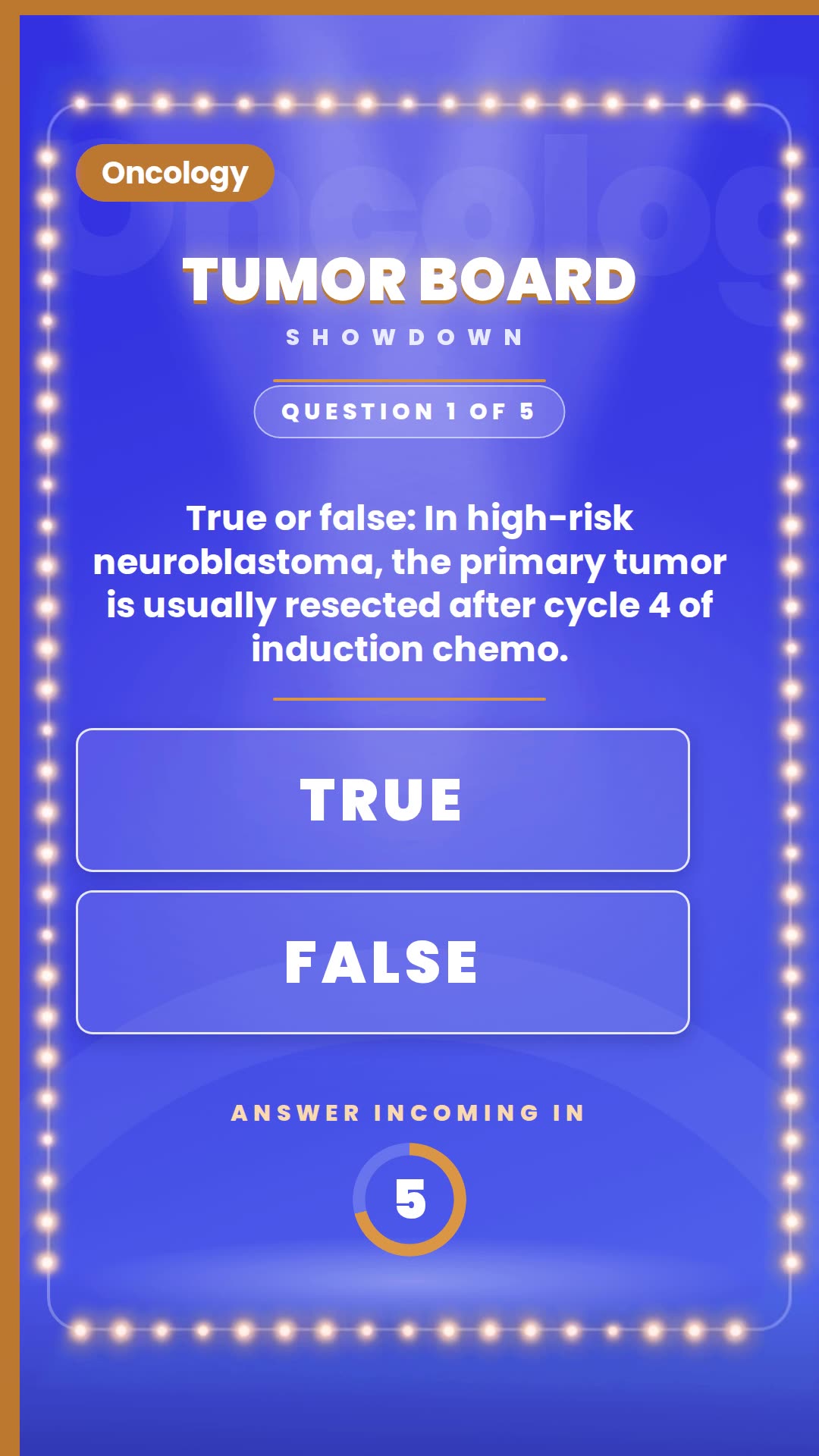
Oncology Tumor Board Showdown: Pediatric Oncology 5 Question Quiz
1 min · Published Oct 2026
Article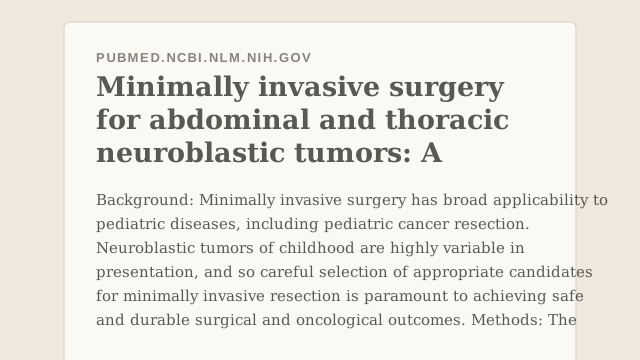
Minimally invasive surgery for abdominal and thoracic neuroblastic tumors: A systematic review by the APSA Cancer committee
Juan Pablo Gurria · Published Oct 2026
Video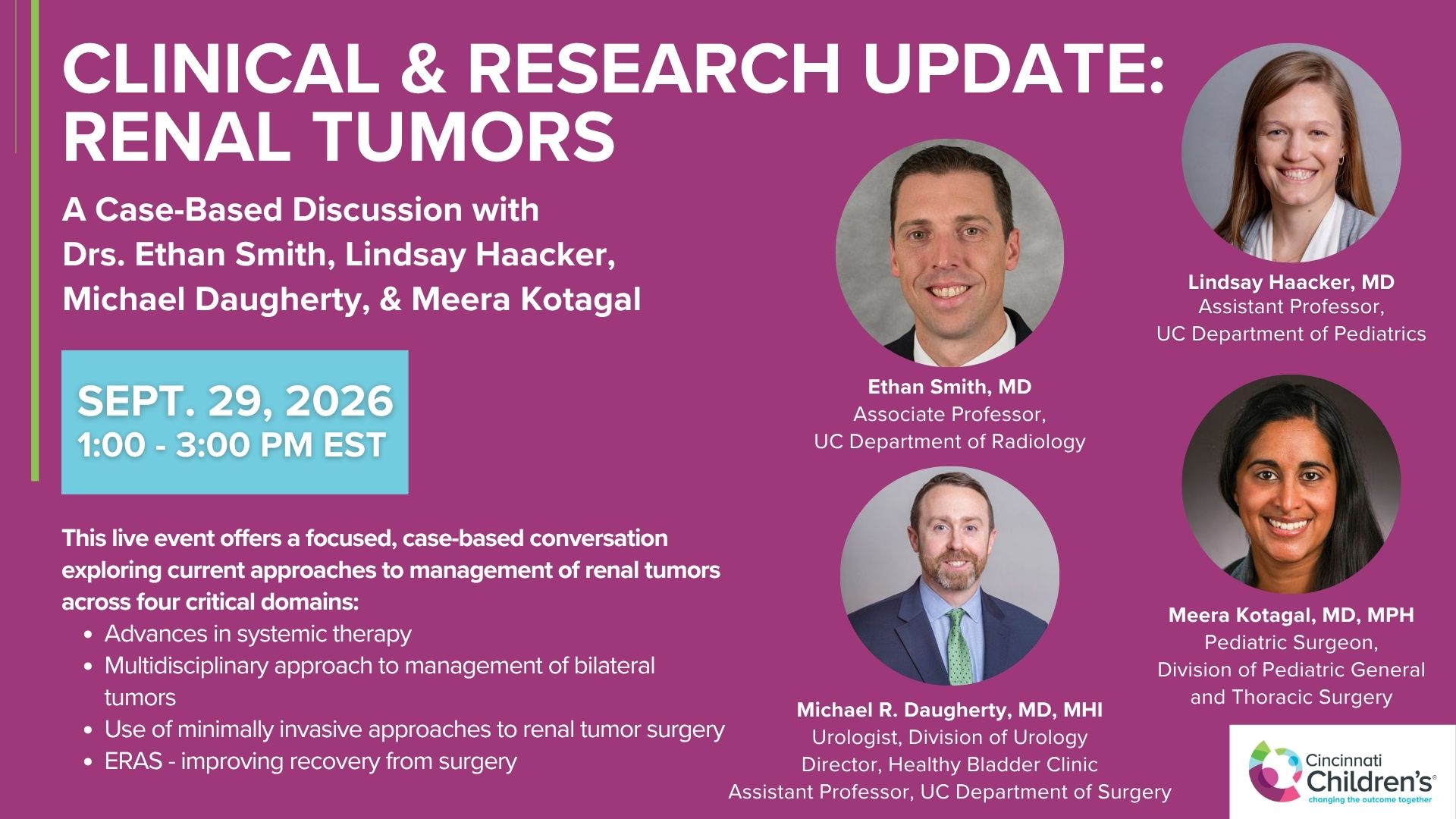
Clinical & Research Update: Renal Tumors with Drs. Ethan Smith, Lindsay Haacker, Michael Daugherty, and Meera Kotagal
71 min · Published Sep 2026
Video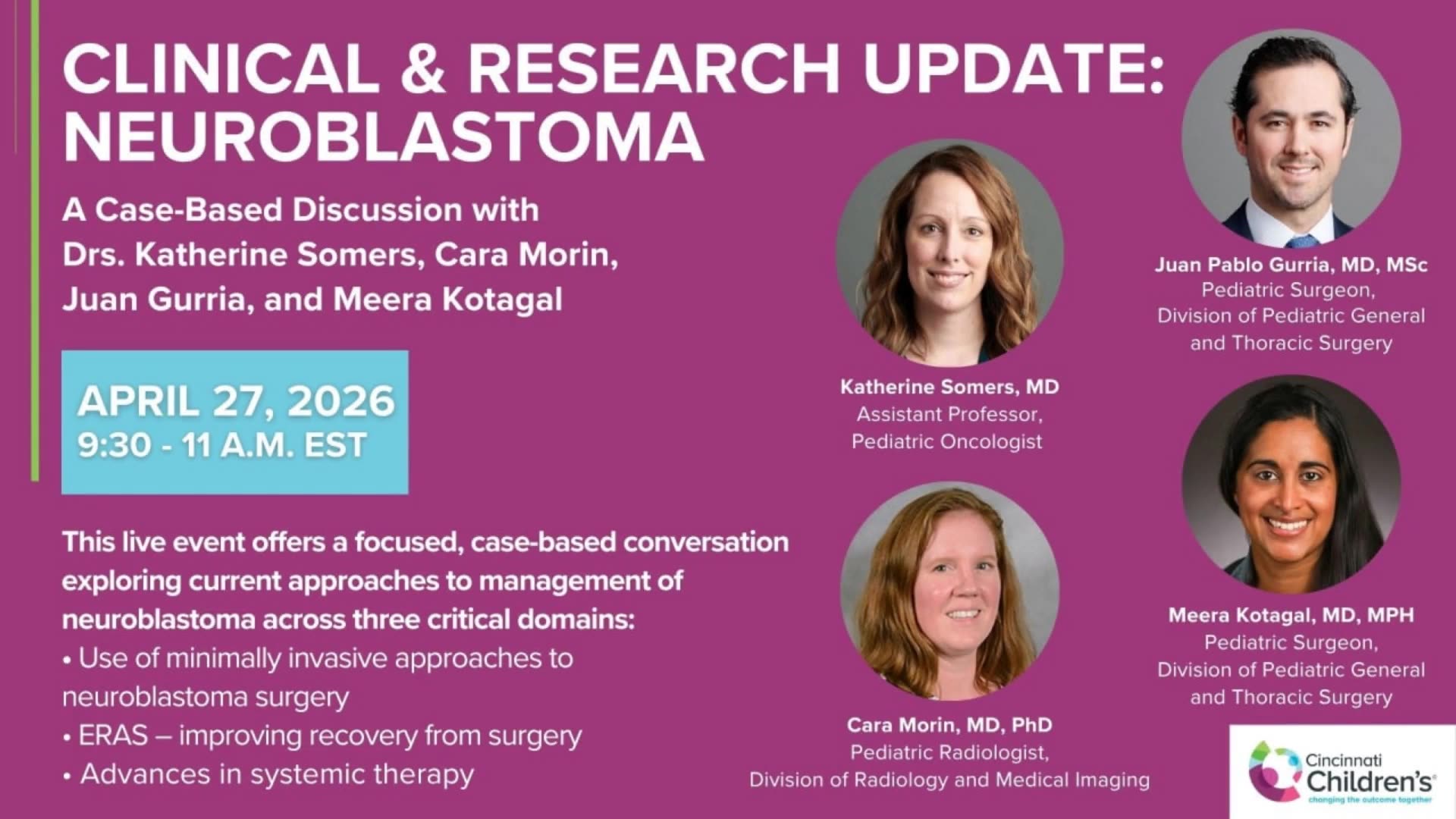
Clinical & Research Update: Neuroblastoma with Drs. Katherine Somers, Cara Morin, Juan Gurria, and Meera Kotagal
67 min · Published Sep 2026
Video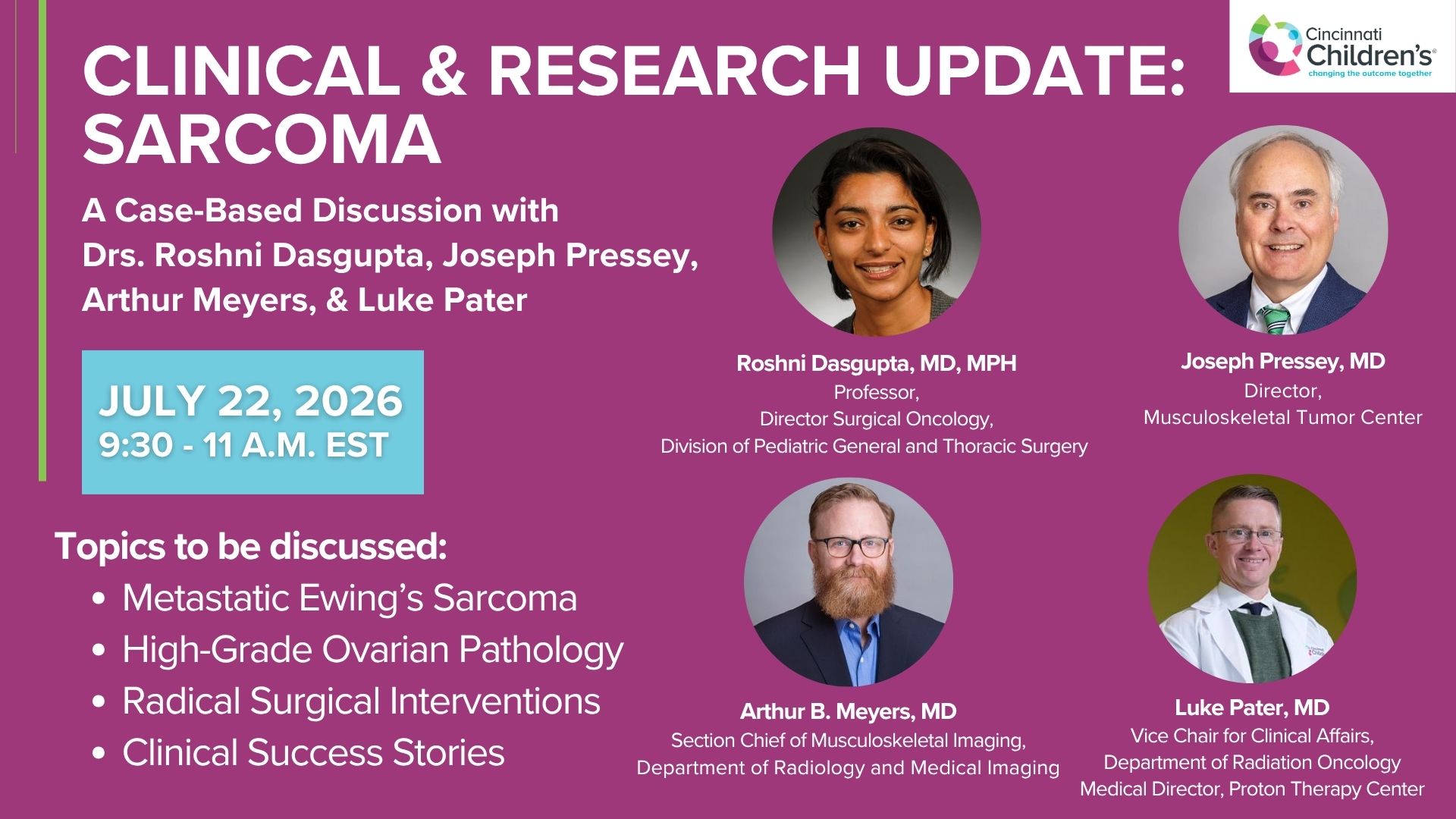
Clinical & Research Update: Sarcoma w/ Drs. Roshni Dasgupta, Joseph Pressey, Arthur Meyer, Luke Pater
66 min · Published Sep 2026
Video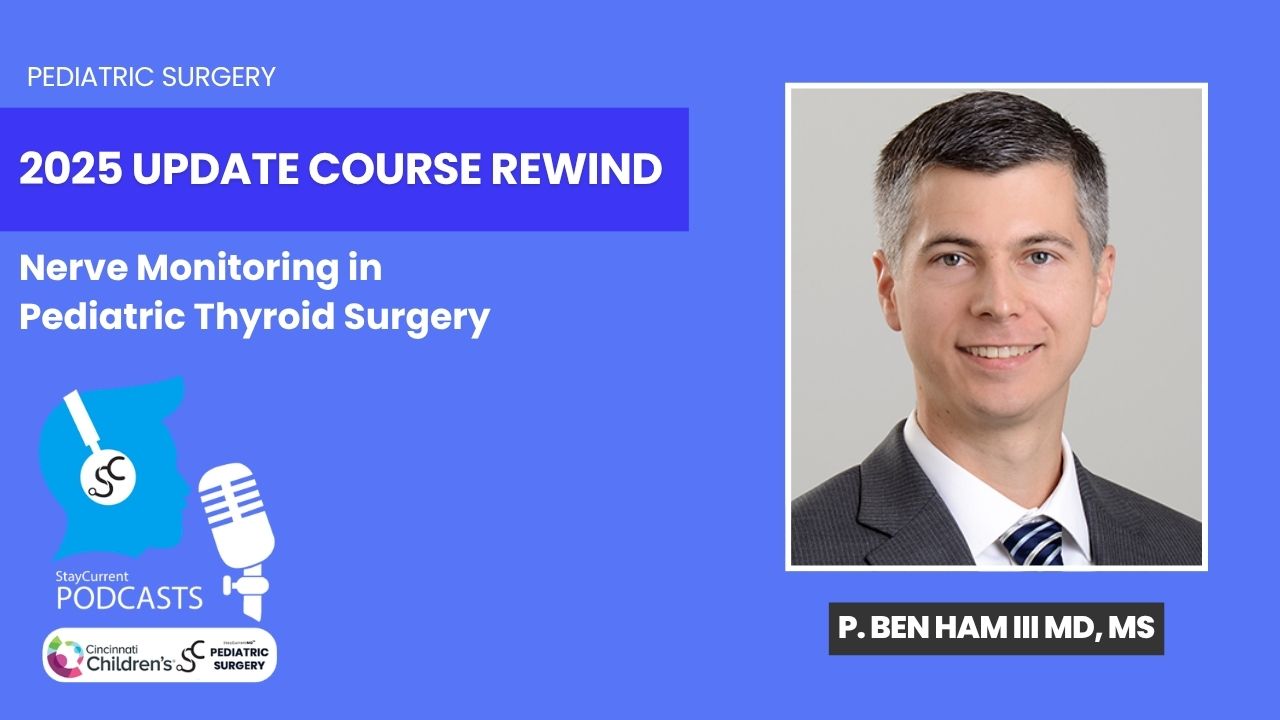
Update Course Rewind 2025: Nerve Monitoring in Pediatric Thyroid Surgery
6 min · Published Jul 2026
Video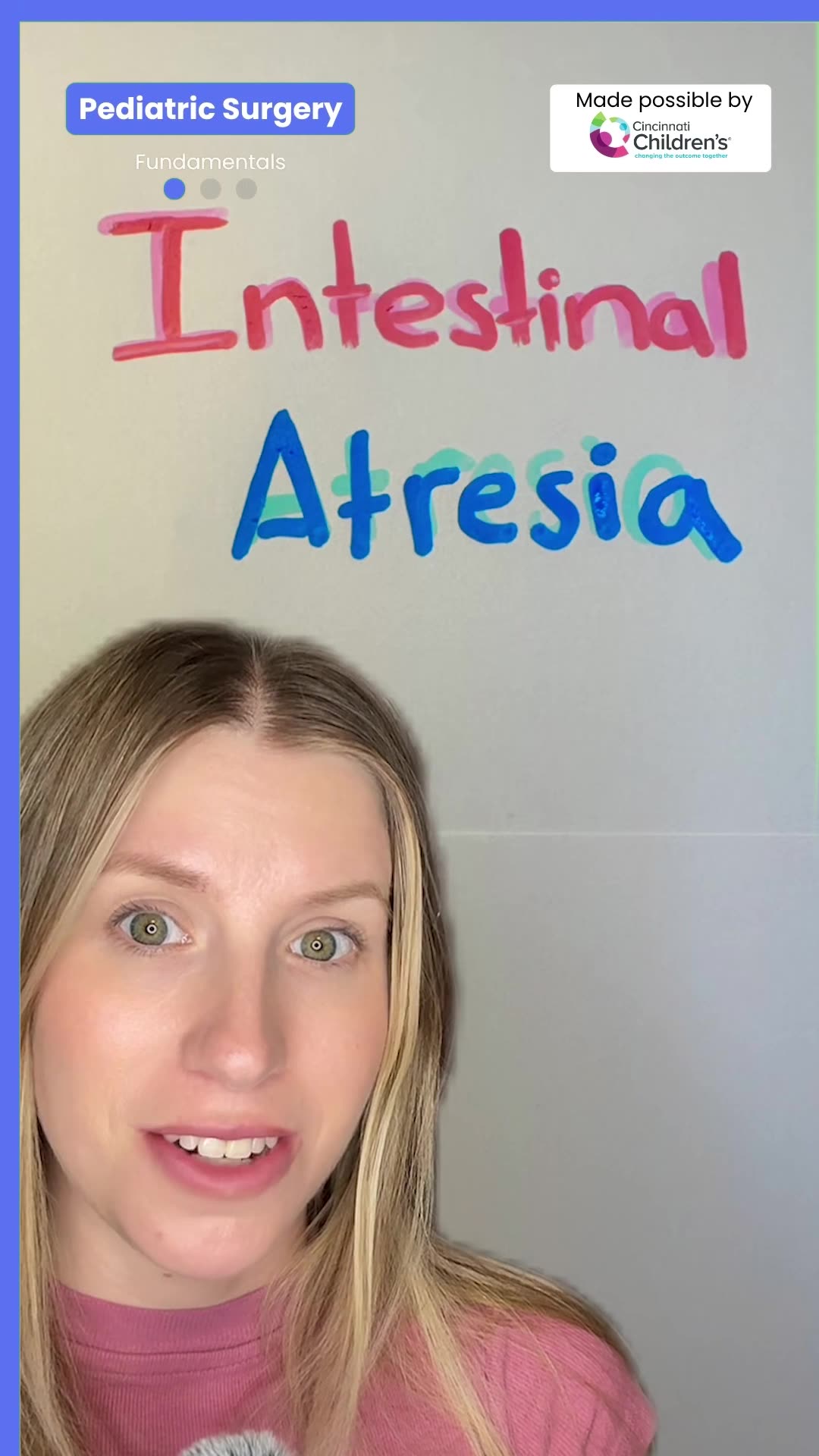
Intestinal Atresia Types Explained: Grossfeld Classification for Pediatric Surgery
1 min · Published Sep 2026
Video
Derivation and validation of the Pediatric Community-Acquired Pneumonia Severity (PedCAPS) score: A prospective cohort study
50 s · Published Sep 2026
Video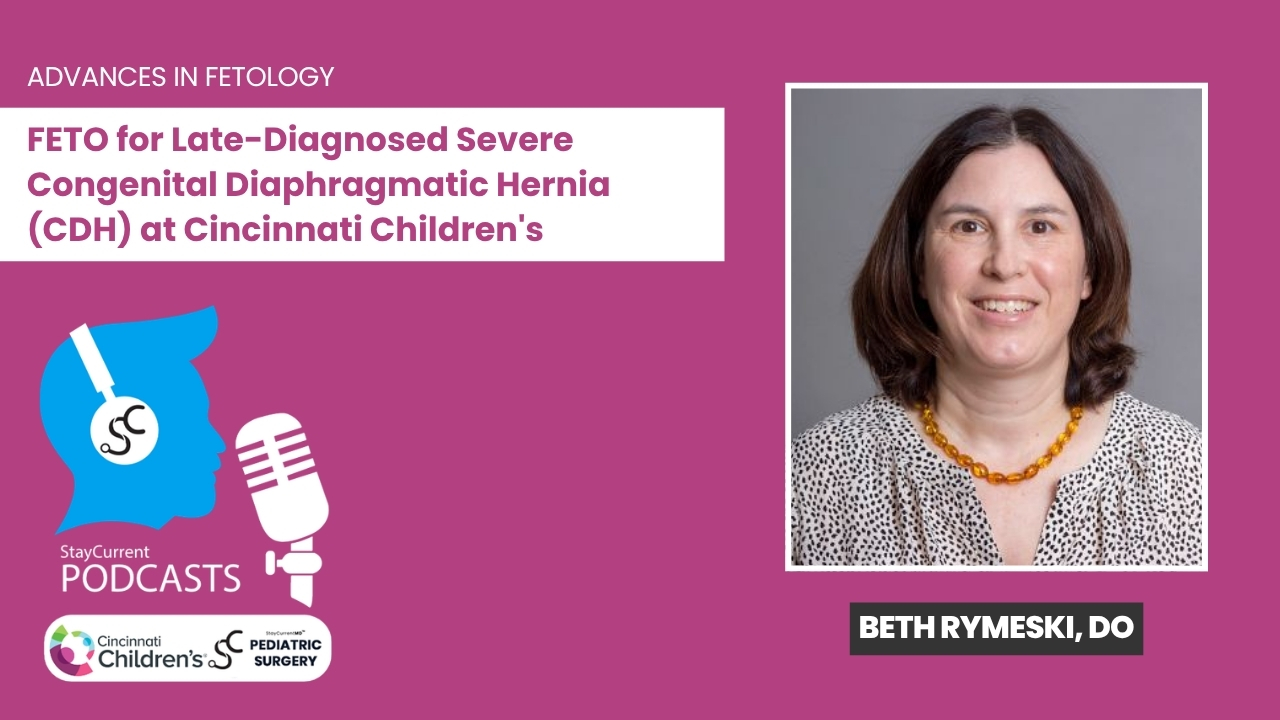
FETO for Late-Diagnosed Severe Congenital Diaphragmatic Hernia (CDH) at Cincinnati Children's with Dr. Beth Rymeski
4 min · Published Sep 2026
Video
Severe Congenital Diaphragmatic Hernia (CDH) Case: FETO Management & Unexpected Findings with Dr. Beth Rymeski
3 min · Published Sep 2026
Video
Fetoscopic Endoluminal Tracheal Occlusion (FETO) Procedure: Step-by-Step Guide with Dr. Beth Rymeski
4 min · Published Sep 2026
Video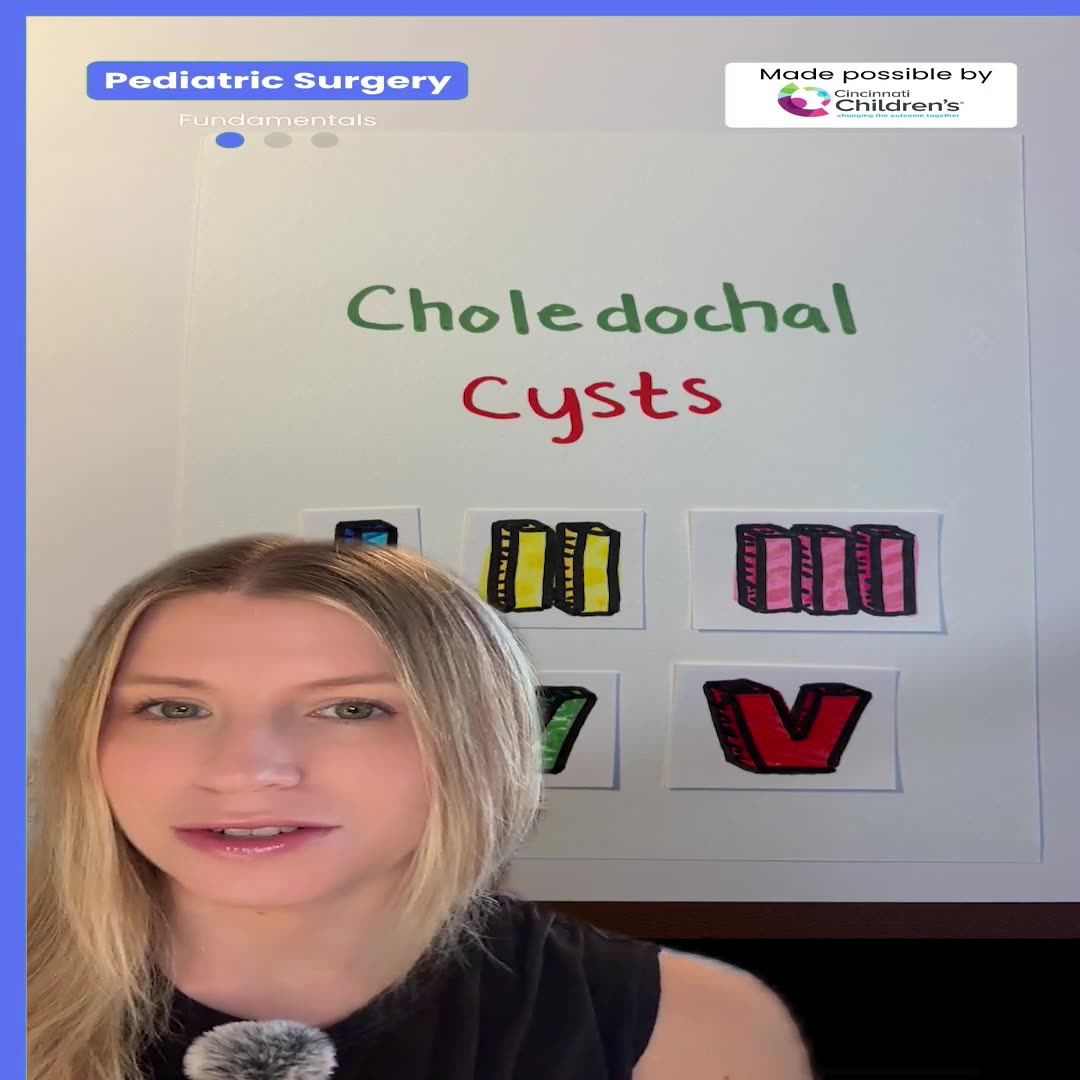
Choledochal Cyst Types Explained: Pediatric Surgery Fundamentals
1 min · Published Sep 2026