


From
StayCurrentMD
Oncologic Outcomes of Parenchyma-Sparing Resection for Hepatoblastoma
Part of
Pediatric Oncology 696 items
jpedsurg.org shows its articles on its own site.
Read the article on jpedsurg.org ↗Article · May 2026 · 1 min read
In brief
In brief
This study compares parenchyma-sparing resection (PSR) to standard resection techniques for hepatoblastoma, examining whether tissue-conserving approaches can achieve comparable oncologic outcomes. The research addresses an evolving surgical paradigm in pediatric liver tumor management.
- Surgery remains the primary curative treatment for hepatoblastoma in pediatric patients.
- Parenchyma-sparing resection is gaining acceptance as an alternative to traditional hemi-hepatectomy or trisectionectomy.
- PSR aims to preserve functional liver tissue while achieving oncologic control in hepatoblastoma cases.
- Comparative outcomes data between PSR and standard resection approaches are needed to guide surgical decision-making.
Written by the GCMD Library team from the article.
Surgery is the cornerstone of therapy for hepatoblastoma (HB). While standard resection (SR) via hemi-hepatectomy and trisectionectomy has traditionally been the preferred surgical approach, parenchyma-sparing resection (PSR) has become increasingly popular. We sought to compare the characteristics and outcomes of patients who underwent PSR versus SR.
Educational content from recorded physician discussions — not medical advice. Talk to your (or your child's) care team about your situation.
Video
Oncology Tumor Board Showdown: Pediatric Oncology 5 Question Quiz
1 min · Published Oct 2026
Article
Minimally invasive surgery for abdominal and thoracic neuroblastic tumors: A systematic review by the APSA Cancer committee
Juan Pablo Gurria · Published Oct 2026
Video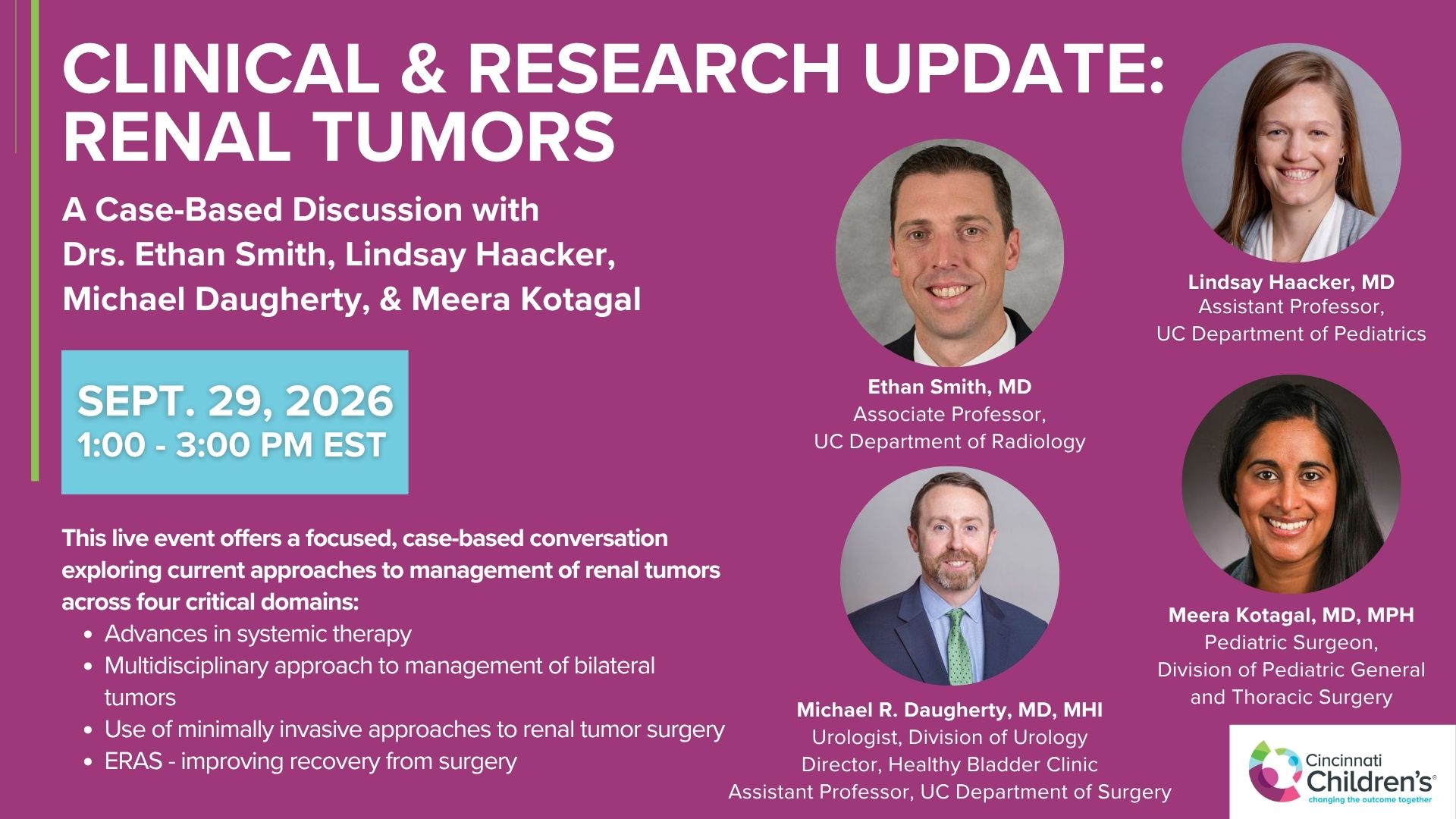
Clinical & Research Update: Renal Tumors with Drs. Ethan Smith, Lindsay Haacker, Michael Daugherty, and Meera Kotagal
71 min · Published Sep 2026
Video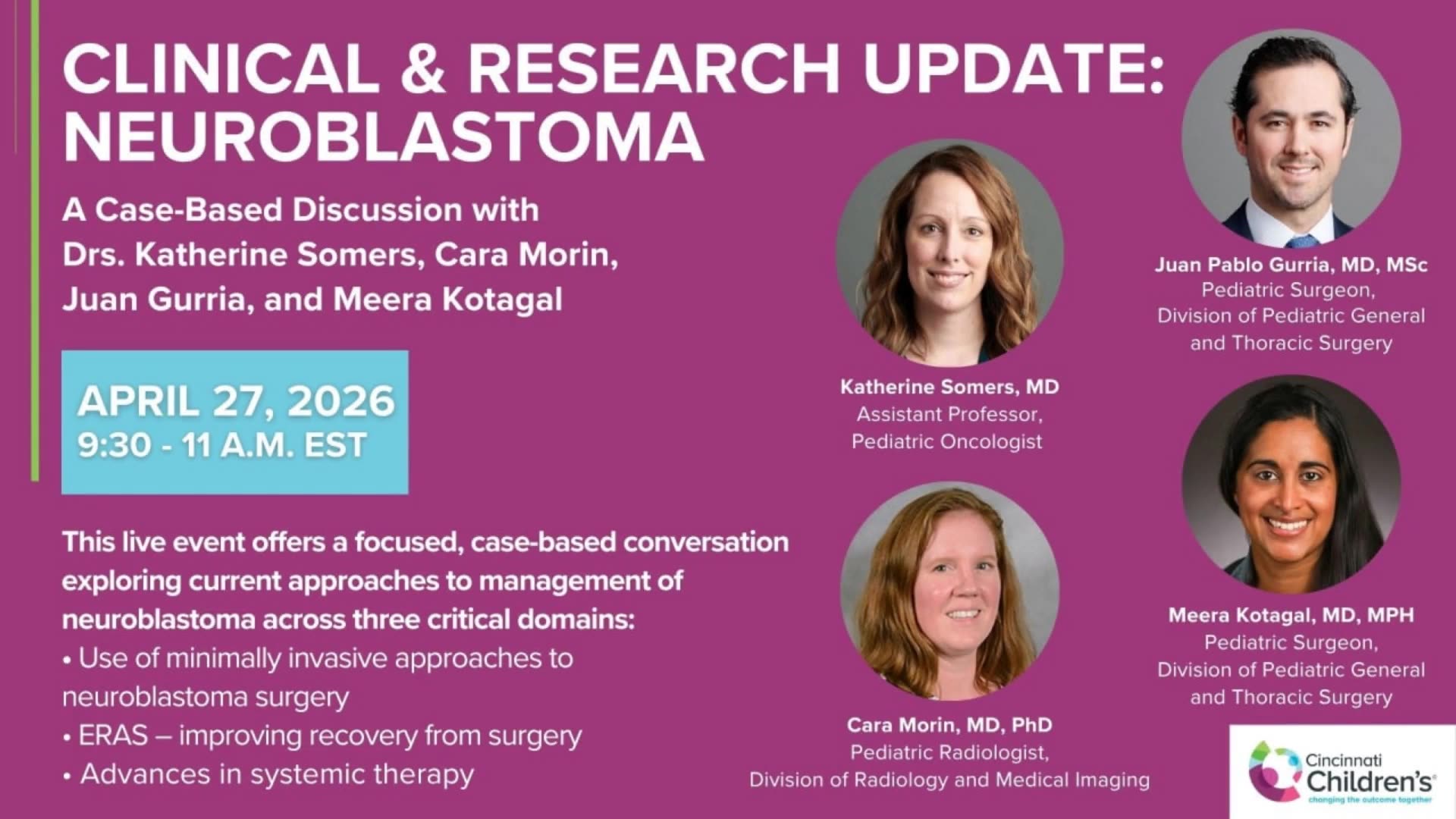
Clinical & Research Update: Neuroblastoma with Drs. Katherine Somers, Cara Morin, Juan Gurria, and Meera Kotagal
67 min · Published Sep 2026
Video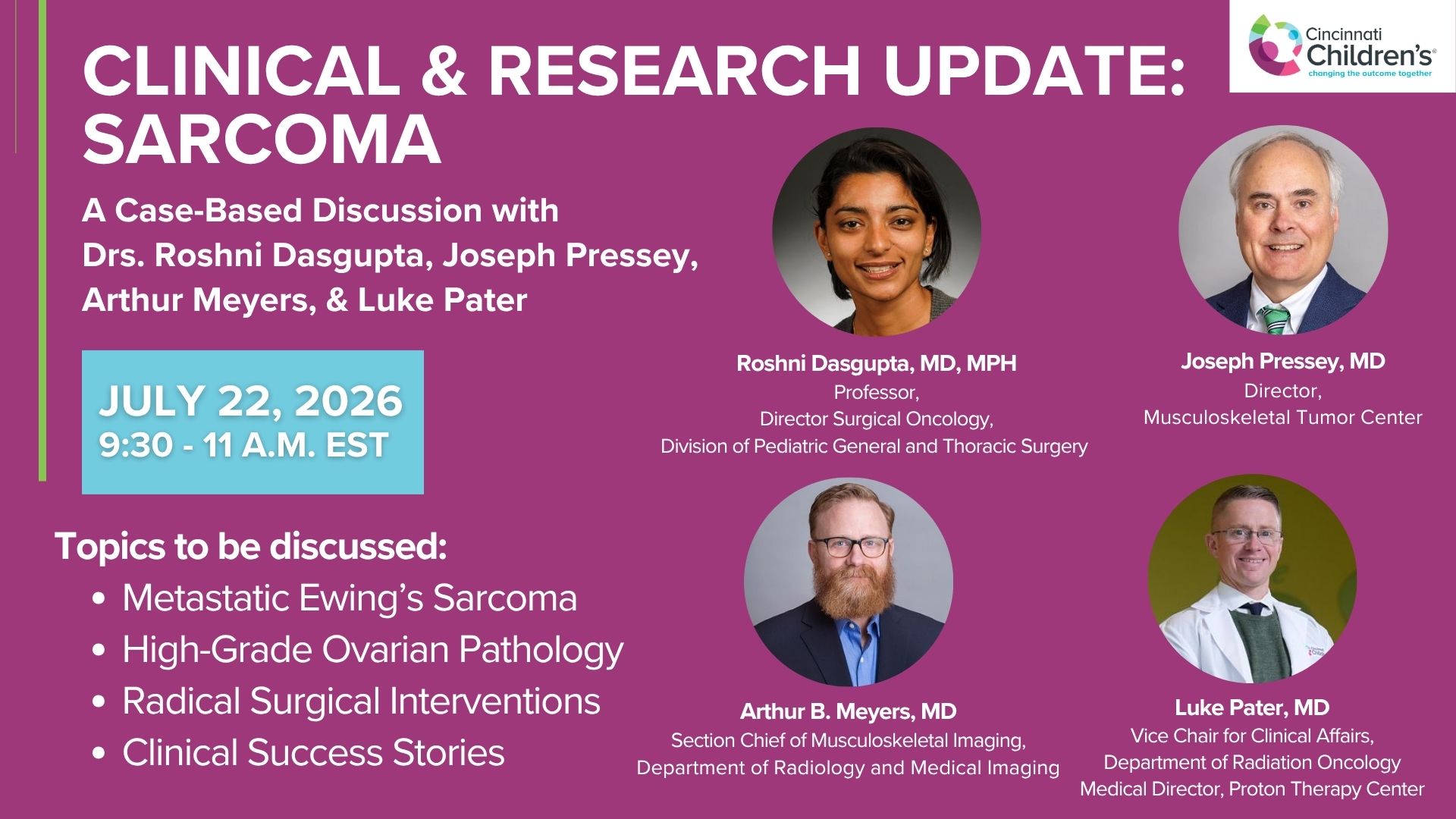
Clinical & Research Update: Sarcoma w/ Drs. Roshni Dasgupta, Joseph Pressey, Arthur Meyer, Luke Pater
66 min · Published Sep 2026
Video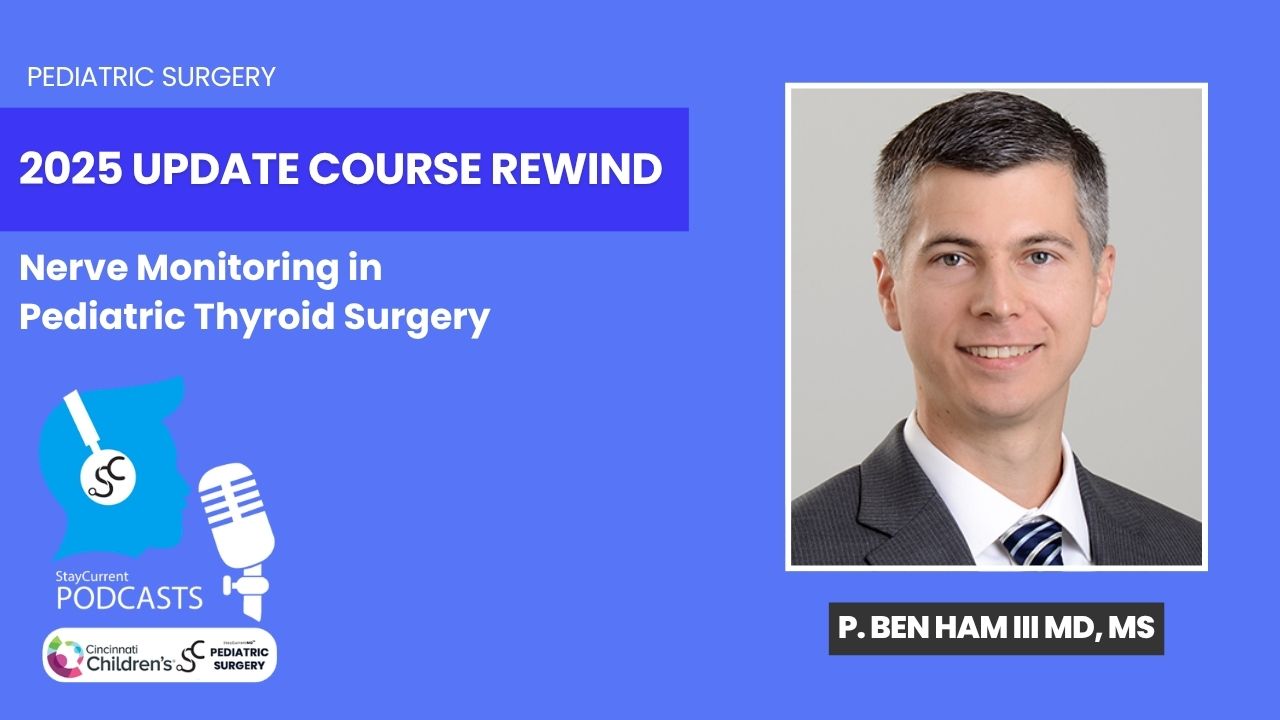
Update Course Rewind 2025: Nerve Monitoring in Pediatric Thyroid Surgery
6 min · Published Jul 2026
Video
Intestinal Atresia Types Explained: Grossfeld Classification for Pediatric Surgery
1 min · Published Sep 2026
Video
Derivation and validation of the Pediatric Community-Acquired Pneumonia Severity (PedCAPS) score: A prospective cohort study
50 s · Published Sep 2026
Video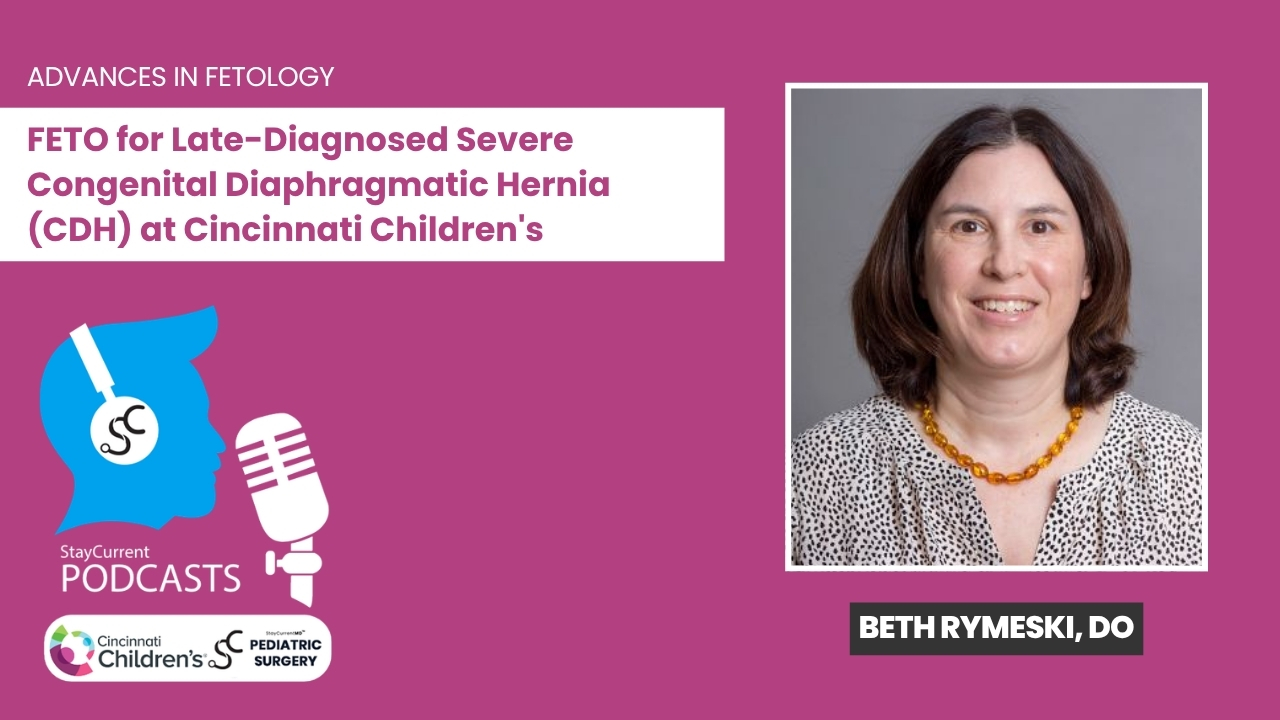
FETO for Late-Diagnosed Severe Congenital Diaphragmatic Hernia (CDH) at Cincinnati Children's with Dr. Beth Rymeski
4 min · Published Sep 2026
Video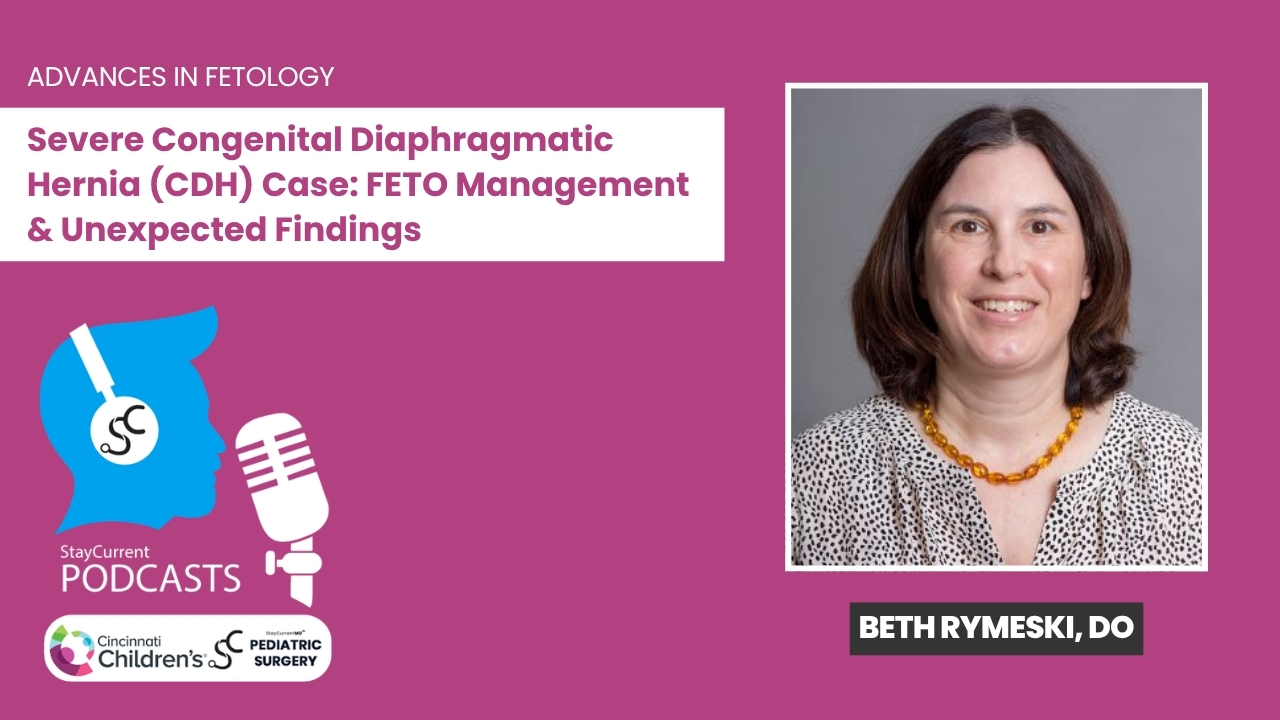
Severe Congenital Diaphragmatic Hernia (CDH) Case: FETO Management & Unexpected Findings with Dr. Beth Rymeski
3 min · Published Sep 2026
Video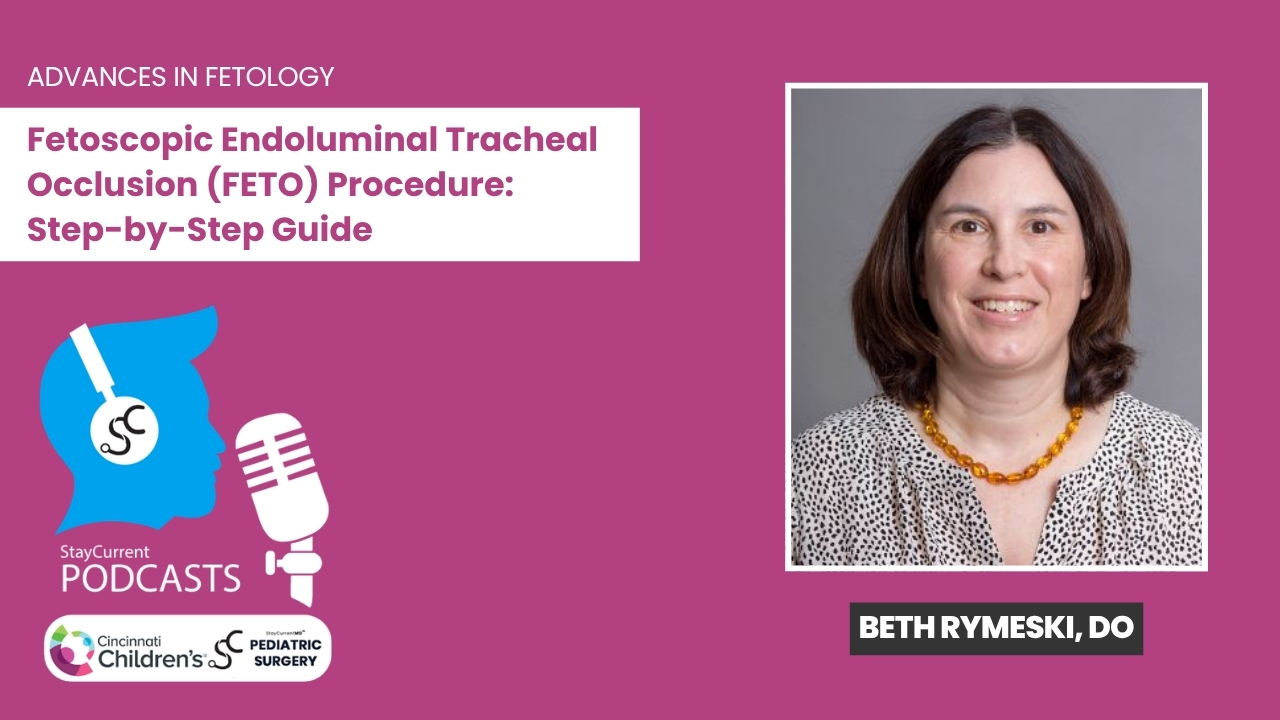
Fetoscopic Endoluminal Tracheal Occlusion (FETO) Procedure: Step-by-Step Guide with Dr. Beth Rymeski
4 min · Published Sep 2026
Video
Choledochal Cyst Types Explained: Pediatric Surgery Fundamentals
1 min · Published Sep 2026